Things to Do and See Around Lake Mutanda
December 27, 2025
Top 10 Essential Tips for a Seamless Trip to Rwanda in 2026
December 27, 2025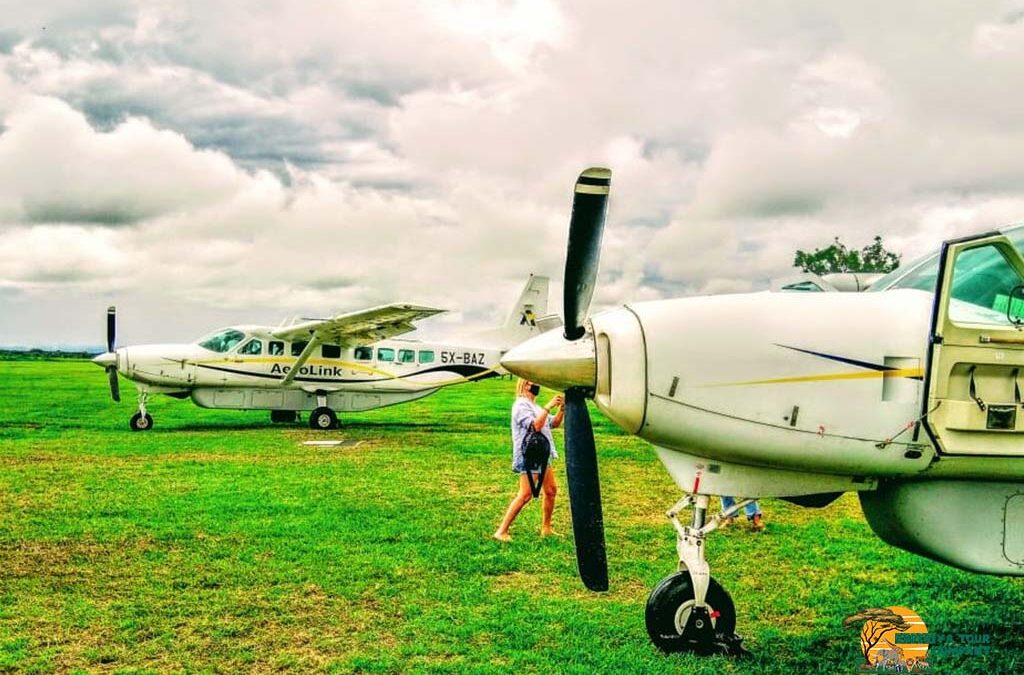
Entebbe and Bwindi Impenetrable National Park are located in two very different regions of Uganda. While Entebbe lies in the central part of the country along the shores of Lake Victoria, Bwindi sits in the mountainous southwest, near the borders of Rwanda and the Democratic Republic of Congo.
The distance between Entebbe and Bwindi Impenetrable National Park is approximately 500 kilometers (310 miles). By road, the journey typically takes 9 to 10 hours, depending on traffic, weather conditions, and the specific sector of Bwindi you plan to visit.
Traveling by Road from Entebbe to Bwindi
Traveling by road remains the most popular and flexible way to reach Bwindi from Entebbe. Although the drive is long, it rewards travelers with breathtaking scenery, rolling hills, rural villages, and memorable cultural encounters along the way.
From Entebbe, travelers usually connect to Kampala via the Entebbe Expressway, then continue through Masaka, Mbarara, Ntungamo, and Kabale before branching off to Kanungu or Kisoro, depending on the Bwindi sector.
While most of the route follows well-paved highways, the final stretch into the park consists of marram (gravel) roads. These sections can become slippery and challenging during the rainy season. Therefore, it is highly recommended to use a reliable 4×4 safari vehicle to ensure a safe and comfortable journey.
Popular Stopovers Along the Way
To make the long drive more enjoyable, many travelers choose to break the journey with short but enriching stops. These pauses allow you to stretch, refresh, and experience Uganda’s cultural heritage.
Some of the most popular stopovers include:
- The Equator Line – Perfect for photos, souvenir shopping, and a brief educational experience.
- Mpambire Royal Drum Makers – An opportunity to watch skilled artisans craft traditional drums.
- Igongo Cultural Centre (near Mbarara) – An ideal lunch stop offering deep insight into Ankole culture.
These stopovers not only provide comfort but also add cultural depth to your journey.
Flying from Entebbe to Bwindi
For travelers who value speed and convenience, flying offers the most comfortable option. Scheduled domestic flights operate from Entebbe International Airport and Kajjansi Airstrip to airstrips near Bwindi.
- Visitors heading to Buhoma usually fly into Kihihi Airstrip.
- Those visiting Nkuringo, Rushaga, or Ruhija typically use Kisoro Airstrip.
Flights take approximately 1 to 1.5 hours, followed by a short road transfer to the park. Consequently, flying is ideal for travelers with limited time or those seeking a more relaxed journey.
Important Considerations Before Visiting Bwindi
Book Your Gorilla Permit Early
Gorilla trekking permits are limited and often sell out quickly, especially during peak seasons. Therefore, travelers should book permits at least 3–4 months in advance.
Current permit prices:
- USD 800 – Foreign non-residents
- USD 700 – Foreign residents
- UGX 300,000 – East African citizens
Each permit allows one hour with a habituated mountain gorilla family. Since permits are issued on a first-come, first-served basis, early planning is essential.
Top Things to Do in Bwindi After Traveling from Entebbe
Gorilla Habituation Experience
Bwindi is the only place in the world where visitors can participate in the gorilla habituation experience. This activity takes place in the southern sectors of Rushaga and Nkuringo, home to families such as Bikingi and Bushaho.
With a special habituation permit, visitors can spend up to four hours with semi-habituated gorillas under the guidance of armed ranger guides and researchers. This extended encounter provides rare insight into gorilla behavior and ongoing conservation efforts.
Gorilla Trekking
Gorilla trekking is Bwindi’s signature experience and is available in all four park sectors:
- Buhoma
- Ruhija
- Rushaga
- Nkuringo
Treks begin early in the morning with a briefing by park wardens. Small groups of up to eight people are assigned to a gorilla family and escorted by armed ranger guides. Once the gorillas are located, visitors enjoy one unforgettable hour observing them in their natural habitat.
Bird Watching
Bwindi is a haven for bird enthusiasts, boasting over 350 recorded bird species, including several Albertine Rift endemics. Although birding is possible throughout the park, Buhoma and Ruhija offer the best opportunities.
Notable birding trails include:
- Ivy River Trail
- Mubwindi Swamp Trail
- Kashasha River Trail
- Bamboo Zone Trail
These trails provide excellent chances to spot rare and colorful forest birds.
Cultural Tours Around Bwindi
Cultural experiences around Bwindi allow travelers to connect meaningfully with local communities while gaining insight into traditional lifestyles. Many visitors combine cultural tours with gorilla trekking for a richer experience.
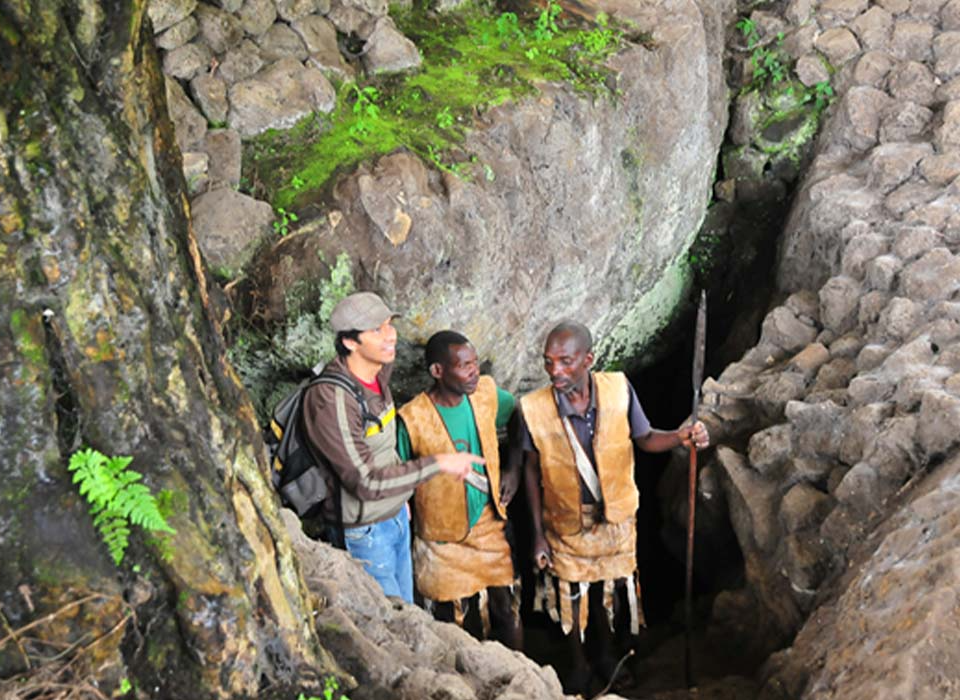
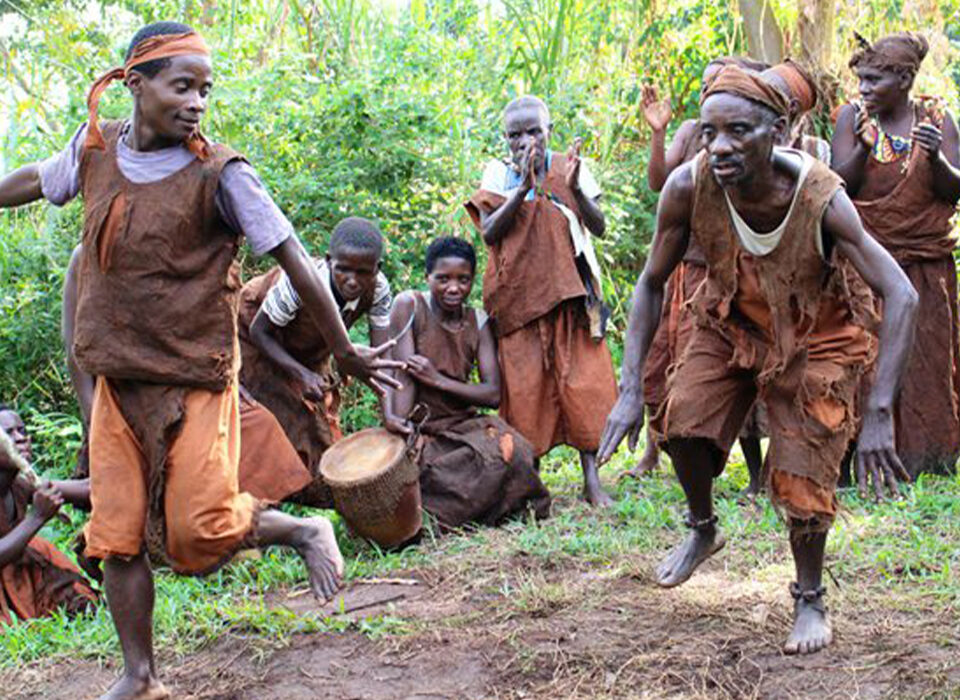
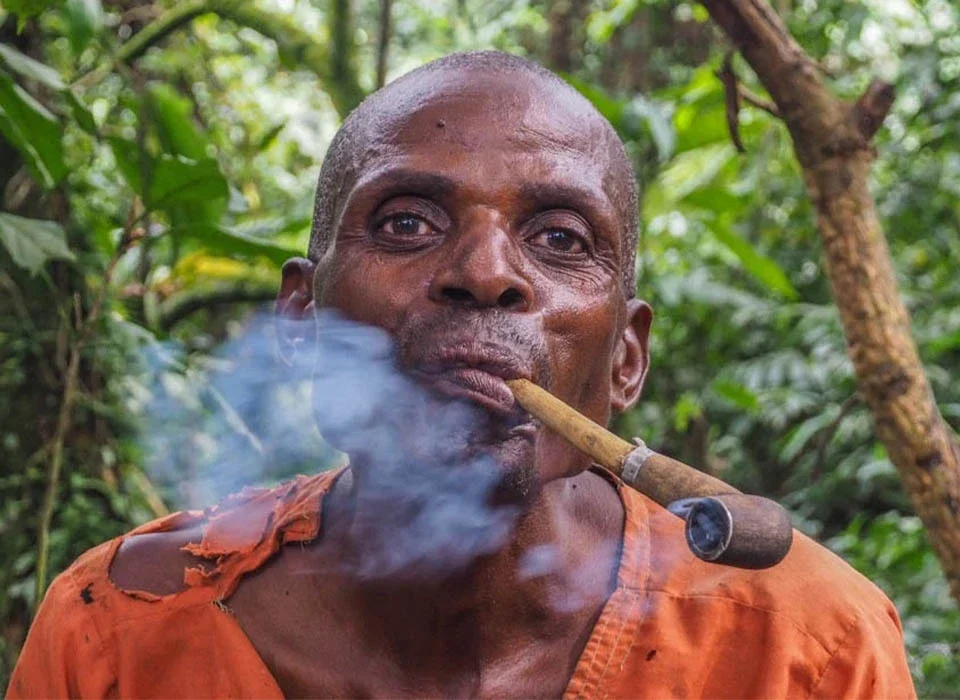
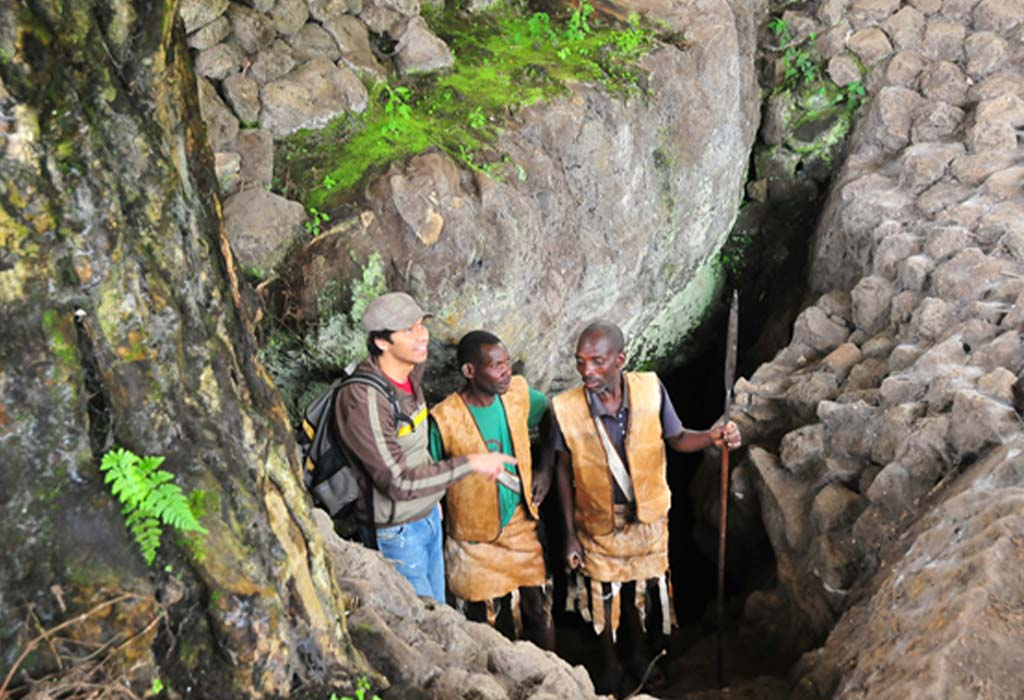
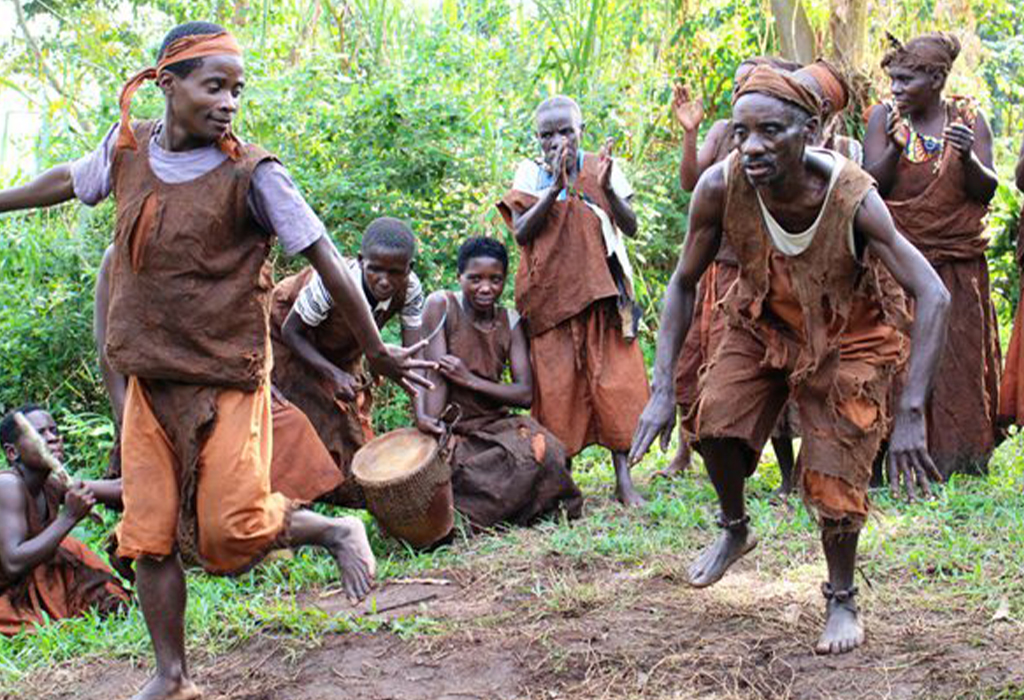
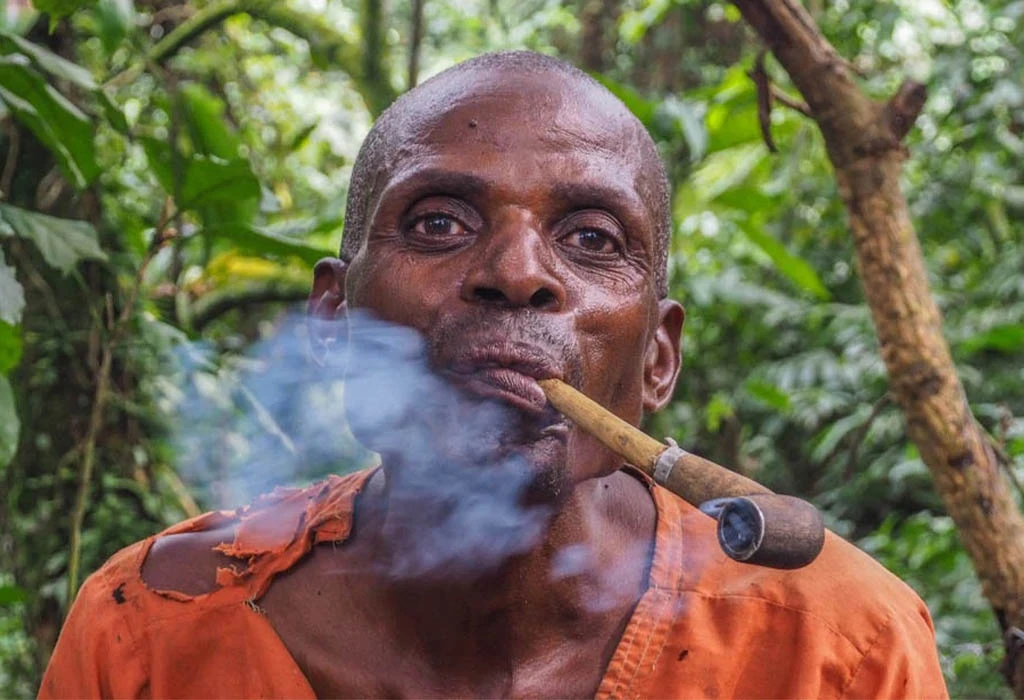
The Batwa people, the forest’s original inhabitants, are the most prominent cultural group in the area. Traditionally hunter-gatherers, the Batwa relied on the forest for survival. Today, they share their heritage through guided cultural walks, storytelling, music, and dance, offering visitors a powerful and educational experience.
Best Time to Travel from Entebbe to Bwindi
Bwindi is accessible year-round. However, the dry seasons provide the best conditions for both travel and trekking:
- June to September
- December to February
During these months, rainfall is minimal, trails are drier, vegetation is less dense, and road access from Entebbe is more reliable.
Final Thoughts
Although the journey from Entebbe to Bwindi Impenetrable National Park is long, it is deeply rewarding. Whether you choose a scenic road trip through Uganda’s countryside or a quick domestic flight, the destination delivers one of Africa’s most extraordinary wildlife experiences.
Bwindi’s mountain gorillas, rich birdlife, and vibrant cultural heritage ensure that every kilometer traveled is truly worthwhile.