
Gorilla Habituation Safari Starting from Entebbe
December 23, 2025
Best Destinations for Safaris in Africa
December 23, 2025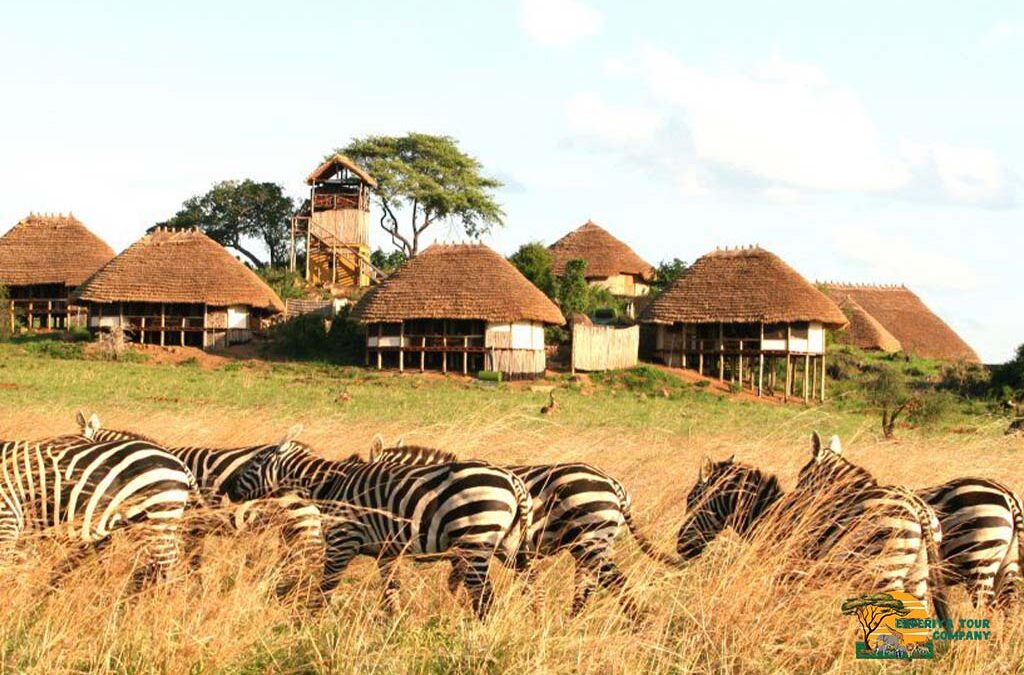
When planning a tour to Uganda, choosing where to stay plays a major role in shaping your overall experience. Often referred to as the “Pearl of Africa,” Uganda rewards travelers with dramatic landscapes, welcoming communities, and unforgettable wildlife encounters. However, to fully enjoy these experiences, you need accommodation that suits your travel style, comfort expectations, and budget.
So, what type of accommodation can you expect on your Ugandan tour? Whether you dream of luxury safari lodges, peaceful eco-retreats, comfortable mid-range hotels, or affordable backpacker stays, Uganda offers remarkable variety. This detailed guide explores the different accommodation options available and answers the most common questions travelers ask when planning where to stay.
Overview of Accommodation Options in Uganda
Uganda’s accommodation scene continues to grow and adapt to the needs of modern travelers. Across the country, you’ll find options that range from high-end city hotels to remote wilderness lodges, each offering a unique way to experience the destination.
As you travel with Experiya Tour Company, accommodation is carefully selected to match your itinerary, comfort level, and desired experiences, ensuring each night complements the adventure of the day.
Luxury Hotels and Resorts
To begin with, Uganda offers impressive luxury hotels and resorts, especially in Kampala, Entebbe, and popular safari destinations such as Bwindi Impenetrable Forest and Queen Elizabeth National Park. These properties focus on comfort, elegance, and personalized service.
Guests can expect spacious en-suite rooms, refined dining experiences, swimming pools, spa facilities, reliable Wi-Fi, and professional concierge services. As a result, these accommodations appeal to honeymooners, high-end travelers, business visitors, and anyone who values privacy and premium comfort.
Safari Lodges and Tented Camps
For travelers eager to immerse themselves in nature, safari lodges and tented camps provide an unforgettable stay. These accommodations sit close to national parks such as Murchison Falls, Kidepo Valley, and Lake Mburo, allowing wildlife encounters to begin right at your doorstep.
Many lodges offer sweeping views of savannahs, rivers, or forests, while guided game drives and nature walks add depth to the experience. Despite their wilderness locations, most provide comfortable beds, hot showers, and attentive service. Furthermore, many operate eco-conscious systems powered by solar energy, blending sustainability with comfort.
Mid-Range Guesthouses and Boutique Hotels
If you want comfort without stretching your budget, mid-range guesthouses and boutique hotels offer excellent value. These accommodations provide clean private rooms, reliable service, and welcoming atmospheres.
You’ll find them in cities, towns, and near major attractions. Many are family-owned, which adds a personal and homely feel to your stay. In addition, breakfast is often included, and staff are usually happy to assist with local tips and travel arrangements.
Hostels and Backpacker Lodges
Uganda has become increasingly popular with backpackers and solo travelers, particularly in destinations such as Jinja, Fort Portal, and Gulu. Hostels and backpacker lodges create social environments where travelers connect and share experiences.
These stays offer affordable accommodation in dormitory-style or simple private rooms. Shared spaces encourage interaction, while organized activities and local tours make it easy to explore on a budget. As a result, they suit students, digital nomads, and long-term travelers.
Eco-Lodges and Sustainable Accommodation
As eco-tourism continues to grow, Uganda stands out for its commitment to sustainable accommodation. Eco-lodges are thoughtfully designed to minimize environmental impact while maximizing immersion in nature.
Guests often enjoy solar-powered facilities, locally sourced meals, and serene locations surrounded by forests, lakes, or wildlife corridors. In addition, many eco-lodges support community initiatives, making them a meaningful choice for responsible travelers, bird watchers, and photographers.
Homestays and Community-Based Lodging
For travelers seeking deeper cultural connection, homestays offer a truly authentic experience. Staying with a local Ugandan family allows you to engage with daily life, traditions, and cuisine in a way no hotel can replicate.
You’ll share meals, stories, and sometimes household activities, gaining genuine insight into Ugandan culture. Consequently, homestays appeal to cultural travelers, volunteers, and those who value meaningful human connection.
Campsites and Adventure Lodging
Adventure travelers will also find well-established camping options across Uganda. Campsites appear near national parks, hiking trails, and adventure hubs such as the Nile River, the Rwenzori Mountains, and Mount Elgon.
These sites usually provide basic sanitation, showers, and cooking areas. Some offer tent rentals, while others cater to travelers with their own gear. Camping allows you to stay close to nature and is especially popular among hikers, rafters, and outdoor enthusiasts.
How Much Does Accommodation Cost in Uganda?
Accommodation prices in Uganda vary depending on location, season, and comfort level. Major cities like Kampala offer everything from luxury business hotels to budget-friendly guesthouses. Entebbe, located near the international airport, features lakeside resorts and quiet retreats ideal for arrival or departure nights.
Safari regions such as Bwindi, Queen Elizabeth, and Murchison Falls generally cost more due to their proximity to wildlife experiences. However, travelers can still find options ranging from affordable camps to exclusive luxury lodges.
What Amenities Can I Expect?
While amenities differ by accommodation type, most places in Uganda provide mosquito nets, clean bathrooms, running water, and electricity. In remote areas, lodges often rely on solar power or generators.
Mid-range and high-end accommodations typically offer laundry services, on-site dining, airport transfers, and secure premises. Luxury lodges may also include spa treatments, private balconies, room service, and tailored excursions.
Best Time to Book Accommodation in Uganda
Timing plays a crucial role when booking accommodation in Uganda. During the dry seasons from June to August and December to February, demand rises sharply, especially in safari areas. Therefore, early booking is essential.
During the rainy seasons, fewer travelers visit, and accommodations may offer discounted rates. However, access to remote areas can be more challenging. Gorilla trekking trips require especially early planning, as permits and nearby lodges sell out months in advance.
Frequently Asked Questions
Ugandan hotels and lodges are generally safe, especially when you choose reputable establishments. Travelers can use credit cards in major hotels, though cash remains essential in rural areas. Booking in advance is strongly recommended during peak seasons, while airport transfers are commonly available at mid-range and luxury properties.
Final Thoughts
So, what type of accommodation can you expect on your Ugandan tour? Quite simply, you can expect variety, warmth, and flexibility. Uganda caters to every travel style, whether you seek luxury, adventure, sustainability, or cultural immersion.
From elegant safari lodges overlooking wildlife-rich landscapes to welcoming guesthouses and community homestays, each accommodation adds depth to your journey. With thoughtful planning and guidance from Experiya Tour Company, your stays will not only offer comfort but also enrich your understanding of Uganda.
In the end, Uganda’s diversity shines not only through its wildlife and scenery, but also through the memorable places you’ll call home along the way.
