
How Safaris Protect Wildlife
December 22, 2025
Gorilla Habituation Safari Starting from Entebbe
December 23, 2025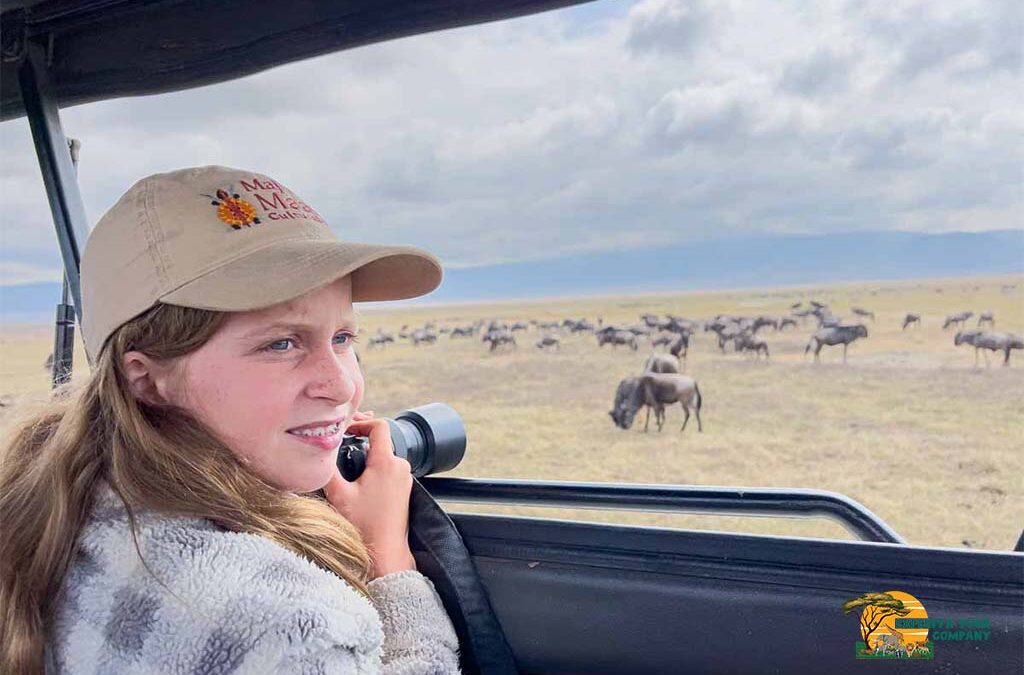
The Ngorongoro Conservation Area (NCA) in northern Tanzania is a UNESCO World Heritage Site where dramatic landscapes, extraordinary wildlife densities, and living cultural traditions exist side by side. Often described as Africa’s “Garden of Eden,” this remarkable destination offers one of the most rewarding safari experiences on the continent.
At the heart of the conservation area lies the legendary Ngorongoro Crater the world’s largest intact volcanic caldera. However, Ngorongoro is far more than a single attraction. From archaeological wonders and sweeping highland plains to Maasai communities who have lived here for generations, the NCA offers depth, diversity, and meaning beyond wildlife alone.
This comprehensive travel guide is designed to help you plan a seamless and enriching visit. It covers the area’s history, wildlife, best travel seasons, activities, accommodation options, and practical travel tips presented clearly, readably, and with a human touch.
Understanding the Ngorongoro Conservation Area
The Ngorongoro Conservation Area spans approximately 8,292 square kilometers in Tanzania’s northern highlands, between Lake Manyara and the Serengeti National Park. Established in 1959, it operates under a unique multiple-use conservation model that allows wildlife and people primarily the semi-nomadic Maasai pastoralists to coexist within the same protected landscape.
Rather than separating humans from nature, this model recognizes that conservation and cultural preservation can thrive together. As a result, Ngorongoro stands as one of the world’s most progressive examples of sustainable land management.
Geological and Ecological Diversity
The area contains several distinct ecosystems, including montane forests, open grasslands, volcanic craters, alkaline lakes, and archaeological sites of global importance. The Ngorongoro Crater itself formed around 2.5 million years ago when a massive volcano collapsed inward after a colossal eruption. Today, the crater measures about 19 kilometers across and plunges 600 meters deep.
Within its 260-square-kilometer floor lives an estimated 25,000 large mammals, making it one of the most concentrated wildlife habitats on Earth.
Beyond the main crater, visitors can explore:
- Olduvai Gorge, often called the “Cradle of Mankind”
- Empakaai Crater, known for its emerald soda lake
- Ol Doinyo Lengai, the sacred Maasai “Mountain of God”
- The Shifting Sands, slowly moving volcanic ash dunes
Each of these sites adds depth and context to a Ngorongoro journey.
Wildlife Viewing: The Big Five and More
Ngorongoro’s global reputation as a wildlife haven is well earned. The crater floor supports a stable, self-contained ecosystem where animals live year-round, creating consistently outstanding game viewing.
The Big Five Experience
All members of the Big Five lion, leopard, elephant, buffalo, and black rhinoceros—reside within the crater, making it one of the few places in Africa where you can realistically see all five in a single day.
- Lions thrive here, with several strong prides roaming the grasslands. Their behavior is particularly fascinating, as male coalitions often dominate territories due to the crater’s confined geography.
- Elephants are mostly large-tusked bulls, frequently seen near forests and swamps.
- Buffalo gather in massive herds, grazing across open plains.
- Leopards, though elusive, inhabit forested areas and rocky outcrops.
Black Rhinoceros: A Rare Highlight
The Ngorongoro Crater protects one of East Africa’s most important populations of critically endangered black rhinos. Around 30–40 individuals live permanently on the crater floor, offering one of the best chances in Tanzania to see this rare species in the wild.
Plains Game, Predators, and Lake Magadi
Beyond the Big Five, the crater supports abundant plains game, including wildebeest, zebra, gazelles, eland, and warthogs. These herbivores, in turn, sustain healthy predator populations.
Hyenas are especially numerous and highly visible, often seen hunting, scavenging, or challenging lions at kills. Cheetahs appear less frequently but may occasionally venture onto the crater floor from surrounding areas.
At the crater’s center lies Lake Magadi, an alkaline soda lake that attracts thousands of flamingos when conditions are right. Alongside them, pelicans, crowned cranes, storks, and geese create a vibrant wetland ecosystem that contrasts beautifully with the surrounding grasslands.
A Birdwatcher’s Paradise
With over 500 recorded bird species, the Ngorongoro Conservation Area ranks among East Africa’s top birding destinations. Its wide range of habitats supports both resident species and seasonal migrants.
On the crater floor, expect to see ostriches, kori bustards, secretary birds, and an impressive array of raptors. In the acacia woodlands, colorful starlings, weavers, and bush-shrikes add life and sound to the landscape.
Meanwhile, the highland forests shelter species such as crowned eagles, silvery-cheeked hornbills, and turacos. During the European winter, migratory birds significantly increase overall diversity, making birding especially rewarding.
Getting to Ngorongoro Conservation Area
Ngorongoro is easily accessible from Arusha, Tanzania’s primary safari hub, with both road and air travel options available.
By Road
The conservation area lies about 180 kilometers from Arusha, a journey of roughly 3–4 hours. The drive passes through fertile highlands, local towns, and scenic viewpoints. From the town of Karatu, it takes about 30 minutes to reach the main entrance gate, followed by a steep climb through forested slopes to the crater rim.
By Air
For those short on time, charter flights provide a faster alternative. Flights from Arusha or Kilimanjaro International Airport reach nearby airstrips in 30–45 minutes, followed by a short road transfer to the crater.
When to Visit: Seasonal Guide
Ngorongoro offers rewarding experiences throughout the year, but each season brings its own character.
Dry Season (June–October & December–March)
This is peak safari season. Wildlife viewing is excellent, vegetation is shorter, and animals gather around permanent water sources. However, visitor numbers and prices are higher, and popular areas can become busy during midday.
February and March coincide with the wildebeest calving season in the southern Serengeti and Ndutu area, offering dramatic predator-prey interactions.
Green Season (April–May)
Heavy rains transform the landscape into a lush, green paradise. Fewer visitors, lower prices, and excellent birdlife define this period. While tall grass and muddy roads can make wildlife harder to spot, the scenery is at its most beautiful.
Shoulder Season (November)
Short rains mark this transitional month, offering a balance between good wildlife viewing and reduced crowds.
Top Activities and Experiences
Crater Floor Game Drives
Descending into the crater is an adventure in itself. Game drives typically last 5–6 hours and traverse grasslands, forests, swamps, and lakes. Early morning descents offer the best wildlife activity and soft light for photography.
Maasai Cultural Encounters
Visiting Maasai communities provides essential context for understanding Ngorongoro’s human history. These experiences offer insight into traditional homes, social structures, dances, and the challenges of balancing heritage with modern change.
Crater Rim Walks
Guided walks along the crater rim allow visitors to explore on foot while enjoying panoramic views. Armed rangers ensure safety, and the walks reveal flora and smaller wildlife often missed on game drives.
Birding and Nature Walks
Dedicated birdwatching excursions and guided nature walks can be tailored for both enthusiasts and casual observers, highlighting the area’s remarkable biodiversity.
Where to Stay
Crater Rim Lodges
These lodges offer unrivaled views directly into the crater and quick access for early game drives. Expect dramatic scenery, cozy fireplaces, and unforgettable sunrises.
Karatu and Highlands Lodges
Located outside the conservation area, these accommodations provide excellent value and comfort. While they require a longer drive to the crater, they work well for multi-park itineraries.
Camping
Designated campsites on the crater rim and in Karatu cater to adventurous and budget travelers. Facilities are basic, but the experience especially at high elevation is unforgettable.
Essential Travel Tips
- Combine Ngorongoro with other northern circuit destinations such as Tarangire, Lake Manyara, and the Serengeti for a well-rounded safari.
- Book well in advance during peak seasons, as accommodation and crater permits are limited.
- Pack warm clothing for early mornings and evenings on the crater rim, along with lighter layers for daytime game drives.
Conclusion
The Ngorongoro Conservation Area is one of Africa’s most extraordinary destinations, offering a rare blend of natural beauty, abundant wildlife, and living culture. From watching a black rhino graze in golden grasslands to standing on the crater rim as mist rises from the caldera below, every moment here feels timeless.
Whether you visit for wildlife, landscapes, culture, or all three, Ngorongoro leaves a lasting impression one that continues to inspire long after the journey ends.
