Major Attractions in Uganda and Rwanda
December 22, 2025
What Type of Accommodation Can I Expect on a Rwanda Tour?
December 22, 2025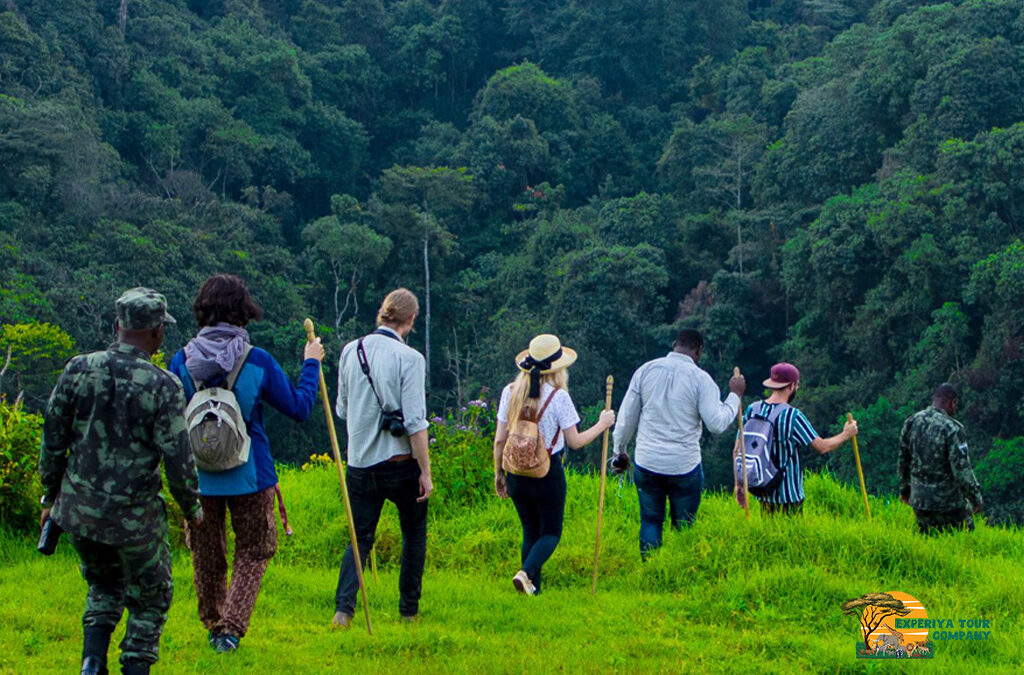
Rwanda has undergone an extraordinary transformation over the past few decades and now ranks among the safest and cleanest countries in Africa. Thanks to strong governance, low crime rates, and a well-developed tourism sector, the country continues to attract eco-travelers, adventure seekers, and cultural explorers from around the world.
Even so, first-time visitors often ask an important question: Is Rwanda safe for tourists?
This guide answers the most frequently searched safety questions and helps you plan a secure, stress-free trip to Rwanda.
Is Rwanda Safe for Tourists in 2026?
Yes. Rwanda remains one of the safest destinations in Africa for tourists in 2026.
The government places a strong emphasis on national security and public order, particularly in popular tourist areas such as Kigali, Volcanoes National Park, Lake Kivu, Nyungwe Forest National Park, and Akagera National Park. Global safety rankings and international travel advisories consistently praise Rwanda for its political stability, cleanliness, and low crime levels.
Moreover, tourist police units operate visibly in major towns and at key attractions. Law enforcement agencies respond quickly and professionally, and most reported incidents involve minor petty theft rather than violent crime.
What Do Current Travel Advisories Say About Rwanda?
Most international travel advisories recommend normal safety precautions when visiting Rwanda.
Countries such as the United States, the United Kingdom, and Canada advise travelers to avoid border areas with the Democratic Republic of the Congo and Burundi due to occasional instability. However, these regions lie far from Rwanda’s main tourist attractions and are easy to avoid.
Before traveling, visitors should regularly check their home country’s official travel advisory websites for the most up-to-date information.
Common Safety Concerns to Keep in Mind
Although Rwanda is very safe, staying informed helps ensure a smooth journey.
1. Petty Crime
Petty theft, including pickpocketing or bag snatching, can occur in crowded places such as markets or bus stations. To stay safe:
- Secure your belongings
- Avoid displaying valuables
- Remain aware of your surroundings
2. Road Safety
Driving conditions can be challenging, especially in rural areas where roads may be narrow or poorly lit at night. Therefore:
- Drive cautiously
- Consider hiring a local driver
- Use reputable transport services or organized tours
3. Health and Medical Care
While major cities offer good healthcare, rural facilities remain limited. Travelers should:
- Carry comprehensive travel insurance
- Ensure coverage for medical evacuation
- Bring a personal first-aid kit
- Consult a travel clinic before departure
Is Kigali Safe for Tourists?
Kigali consistently ranks as one of Africa’s safest and cleanest capital cities. The city features well-maintained streets, efficient public services, and a strong security presence.
Visitors can comfortably walk around during the day and early evening, especially in well-lit areas. Nevertheless, basic precautions still apply:
- Avoid unfamiliar areas late at night
- Keep electronics discreet
- Use registered taxis or ride-hailing apps
How Safe Are Rwanda’s National Parks?
Rwanda’s national parks are exceptionally secure and well managed, making them some of the safest wildlife destinations in Africa.
Volcanoes National Park
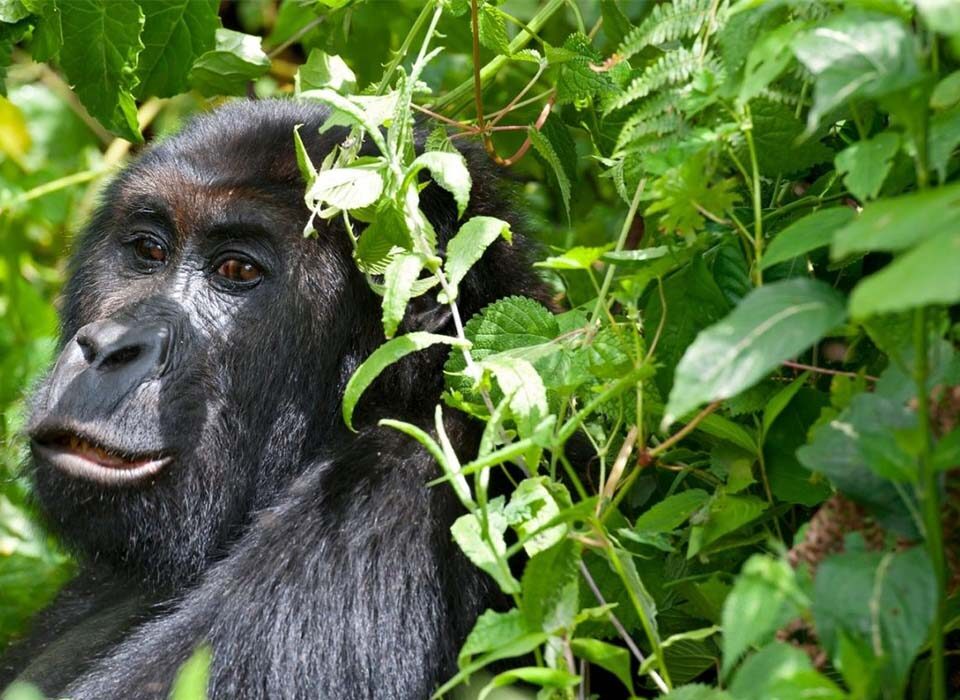
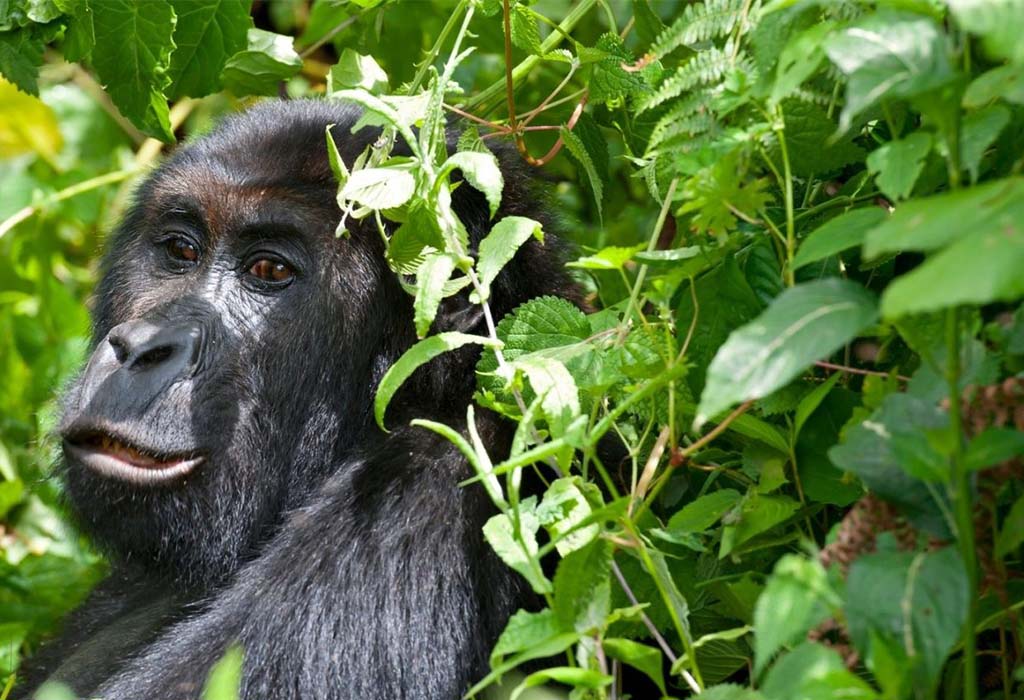
Famous for gorilla trekking, the park enforces strict safety protocols. Armed rangers accompany every trek, ensuring both visitor and wildlife protection.
Nyungwe Forest National Park
Known for its canopy walk and chimpanzee tracking, Nyungwe offers guided activities that meet high safety standards.
Akagera National Park
Home to the Big Five, Akagera is heavily patrolled and carefully regulated, making game drives safe and well organized.
Controlled access and professional park management ensure that all activities take place in a secure and responsible environment.
Is Public Transportation Safe in Rwanda?
Public transportation in Rwanda is generally reliable and safe, particularly in Kigali.
- Buses and minibuses operate efficiently, though travelers should keep valuables close
- Moto-taxis offer quick transport for short distances; always wear a helmet and agree on the fare beforehand
For added comfort and safety, many visitors choose private transfers or ride-hailing services, especially when navigating unfamiliar areas.
Is Rwanda Safe for Solo Female Travelers?
Yes. Rwanda stands out as one of the safest African countries for solo female travelers.
Women traveling alone frequently report positive experiences, especially in Kigali and major tourist destinations. Street harassment is uncommon, and locals are generally respectful and helpful.
Still, solo travelers should:
- Dress modestly, especially in rural areas
- Avoid walking alone late at night
- Choose well-reviewed accommodations
- Trust their instincts at all times
Health Precautions for Travelers to Rwanda
Maintaining good health is essential for a safe trip.
Recommended Health Measures
- Vaccinations: Yellow fever is mandatory; Hepatitis A, Hepatitis B, typhoid, and routine vaccines are recommended
- Malaria Prevention: Take prescribed antimalarial medication and use mosquito repellents
- Food and Water Safety: Drink bottled or purified water and avoid uncooked foods from unreliable sources
Travelers should consult a health professional 4–6 weeks before departure for personalized advice.
What to Do in an Emergency
In case of an emergency, Rwanda provides reliable response services:
- Police: Dial 112
- Medical Emergencies: Dial 912
- Tourist Police: Available at airports and major tourist centers
- Embassies: Keep your embassy’s contact details accessible
Additionally, registering with your embassy and sharing your travel itinerary with someone back home adds an extra layer of security.
Cultural and Legal Guidelines to Follow
Respecting local laws and customs helps ensure a safe and enriching visit.
- Genocide Memorials: Dress modestly and behave respectfully
- Public Conduct: Avoid public displays of affection
- Plastic Ban: Rwanda strictly prohibits plastic bags
- Photography: Ask permission before photographing people; avoid government buildings and security personnel
Understanding cultural norms not only keeps you safe but also enhances your overall experience.
Final Verdict: Should You Worry About Safety in Rwanda?
Rwanda is not just safe it is one of Africa’s leading examples of stability, cleanliness, and efficient governance.
From gorilla trekking and wildlife safaris to cultural exploration and lakeside relaxation, Rwanda offers travelers peace of mind alongside unforgettable experiences. By following standard travel precautions and respecting local customs, you can explore the country confidently and responsibly.