

Horse Riding in Kigali: A Serene Escape on Rwanda’s Rolling Hills
December 20, 2025
What Can I Expect from a Safari in Rwanda?
December 22, 2025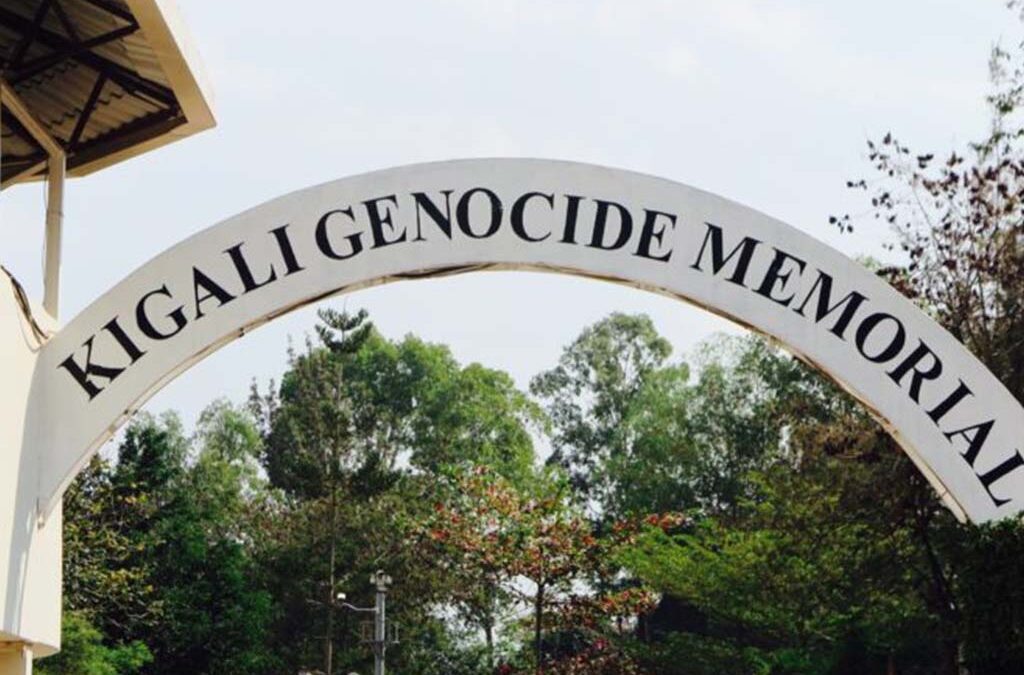
Children under the age of twelve are not permitted to enter the Kigali Genocide Memorial. Because the memorial serves as a place of learning, reflection, and remembrance, visitors must be mature enough to understand its historical and emotional significance.
For this reason, the site strongly advises that only visitors of an appropriate age attend.
Additionally, the Memorial is the final resting place for approximately 250,000 victims of the Genocide against the Tutsi. Visitors are respectfully asked to dress modestly and observe the solemn nature of the site at all times.
How Much Does It Cost to Visit the Kigali Genocide Memorial?
Admission to the Kigali Genocide Memorial is free of charge. However, to enhance your experience, the Memorial offers an optional audio guide.
The audio tour provides:
- In-depth explanations of each exhibition
- Historical context and survivor testimonies
- A deeper understanding of the events and their lasting impact
As a result, many visitors find the audio guide invaluable for a more meaningful visit.
What Took Place at the Kigali Genocide Memorial?
The Kigali Genocide Memorial stands as one of Rwanda’s most powerful tributes to the 1994 Genocide against the Tutsi. Opened in 2004, the memorial honors the victims and educates future generations about the consequences of hatred and division.
Throughout the site, visitors encounter:
- Mass graves
- Educational exhibitions
- Personal stories of victims and survivors
Together, these elements create a moving and unforgettable experience that encourages reflection, learning, and remembrance.
How Many People Are Buried at the Kigali Genocide Memorial?
The Memorial serves as the burial site for approximately 250,000 victims of the Genocide against the Tutsi. Located in Rwanda’s capital city, it functions both as a place of mourning and a center for education.
Each year, the memorial welcomes tens of thousands of visitors, including:
- Rwandan schoolchildren
- International visitors
- Global leaders and dignitaries
This wide audience underscores the memorial’s global importance.
What Is the Flame of Remembrance in Rwanda?
The Kwibuka Flame symbolizes remembrance of the 1994 Genocide against the Tutsi, during which over one million people were brutally murdered.
The flame represents:
- Remembrance of the victims
- Resilience of the survivors
- Rwanda’s commitment to unity and peace
Most importantly, it stands as a reminder of the dangers of hate, misinformation, and disinformation.
How Has Rwanda’s Economy Recovered After the Genocide?
Following the genocide, Rwanda’s economy suffered severe setbacks. In 1994, the country’s gross domestic product declined by nearly 40%.
However, recovery began soon after. By 1995, Rwanda recorded a 9% growth in real GDP, signaling renewed economic activity and stability. Since then, the country has made remarkable progress, demonstrating resilience and long-term development.
Museum Rules and Visitor Guidelines
To preserve the Memorial and ensure a respectful experience, visitors must follow these guidelines:
Respect the Exhibits
- Do not touch artwork or displays, as even light contact can cause damage.
- Maintain a safe distance from all exhibits to avoid accidental contact.
Writing and Sketching
- Use pencils only; pens can permanently damage surfaces.
- Avoid pointing at artwork with pencils or objects.
Behavior Inside the Museum
- Do not lean on walls or display cases.
- Sit only on designated benches or areas.
- Refrain from running, pushing, or rough behavior.
Food and Personal Items
- Eating, drinking, and chewing gum are not allowed inside the galleries.
- Coats must be worn at all times or stored in the coat room do not carry them.
Photography Policy
- Photography and video recording are allowed for private use only, without flash.
- Always check exhibit labels, as some displays prohibit photography.
Final Thoughts
The Kigali Genocide Memorial is more than a museum it is a sacred space for remembrance, learning, and healing. By following the guidelines and approaching the visit with respect and openness, visitors gain a deeper understanding of Rwanda’s history and its journey toward unity and reconciliation.
