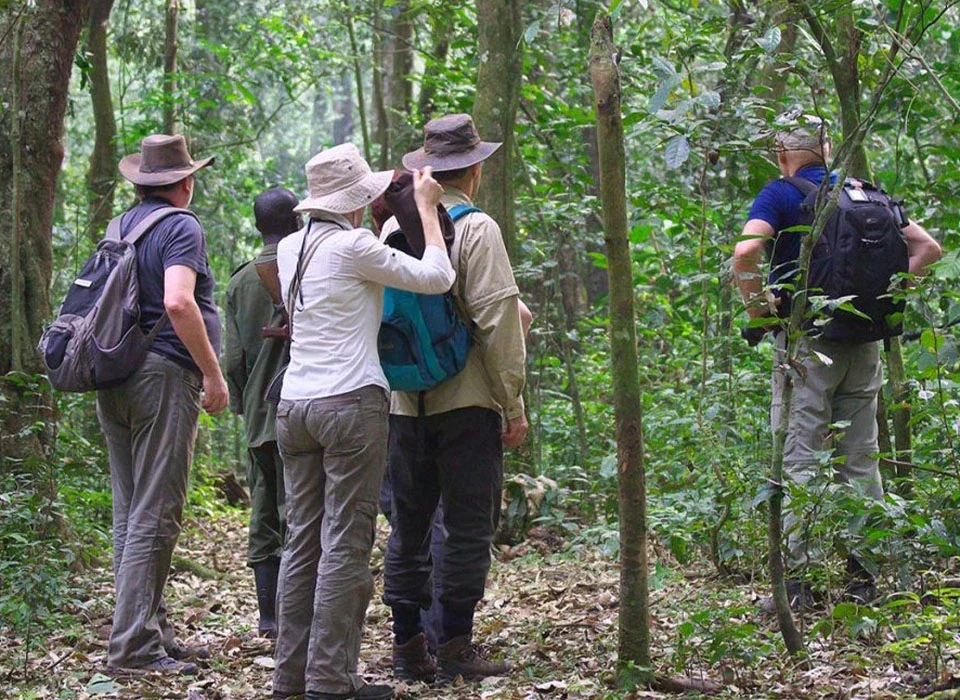
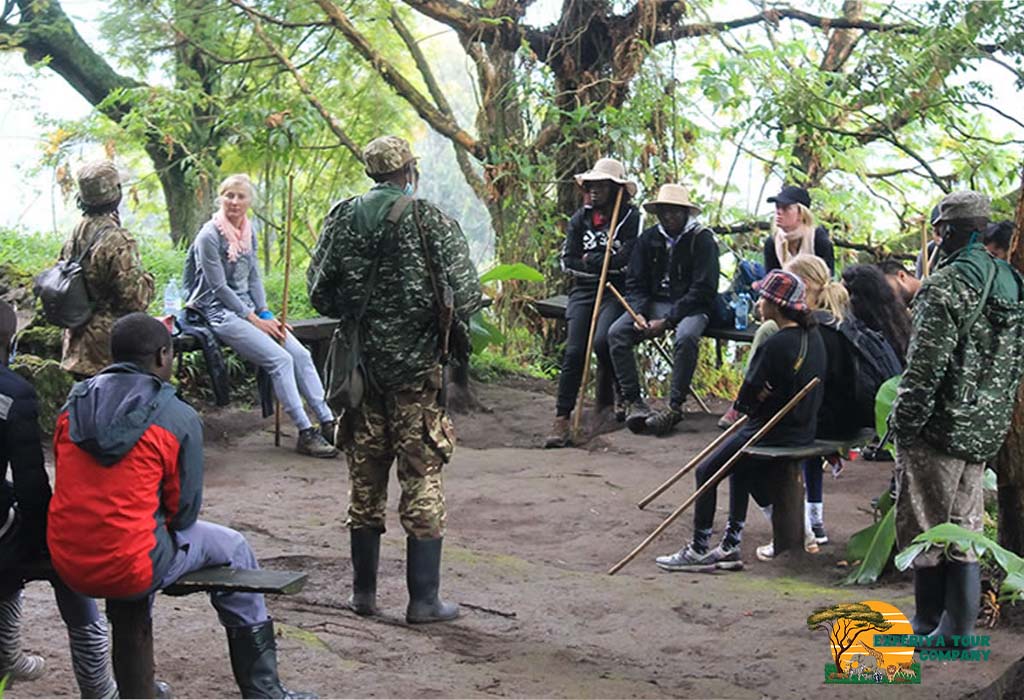
1 Day Gorilla Trekking Safari in Mgahinga Gorilla National Park
December 20, 2025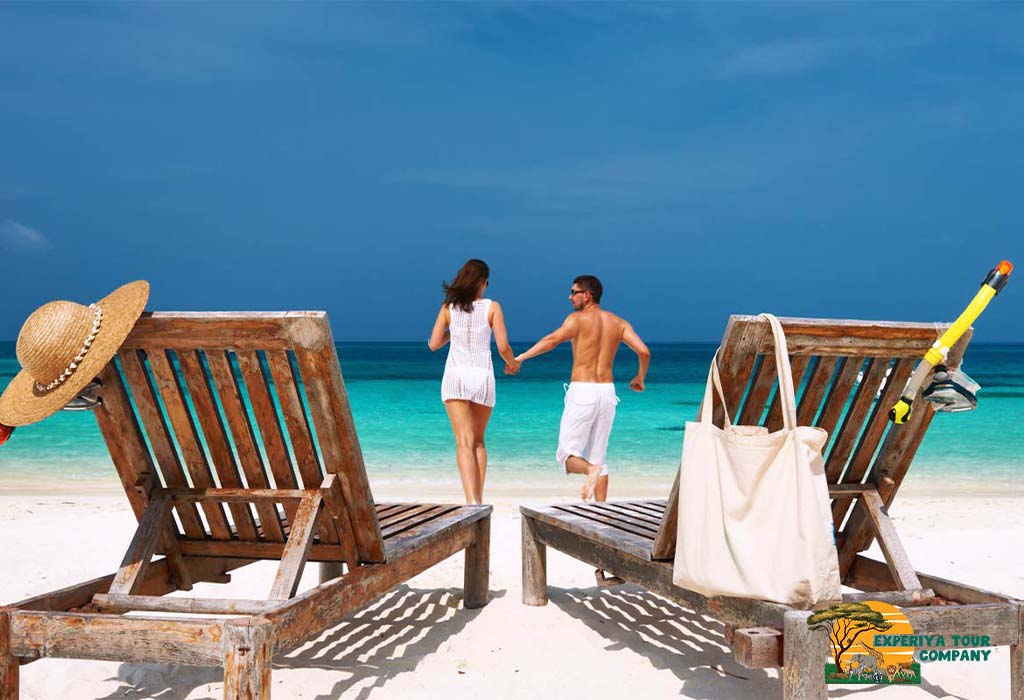
Combined Uganda and Tanzania Safari with Zanzibar Beach Holiday
December 20, 2025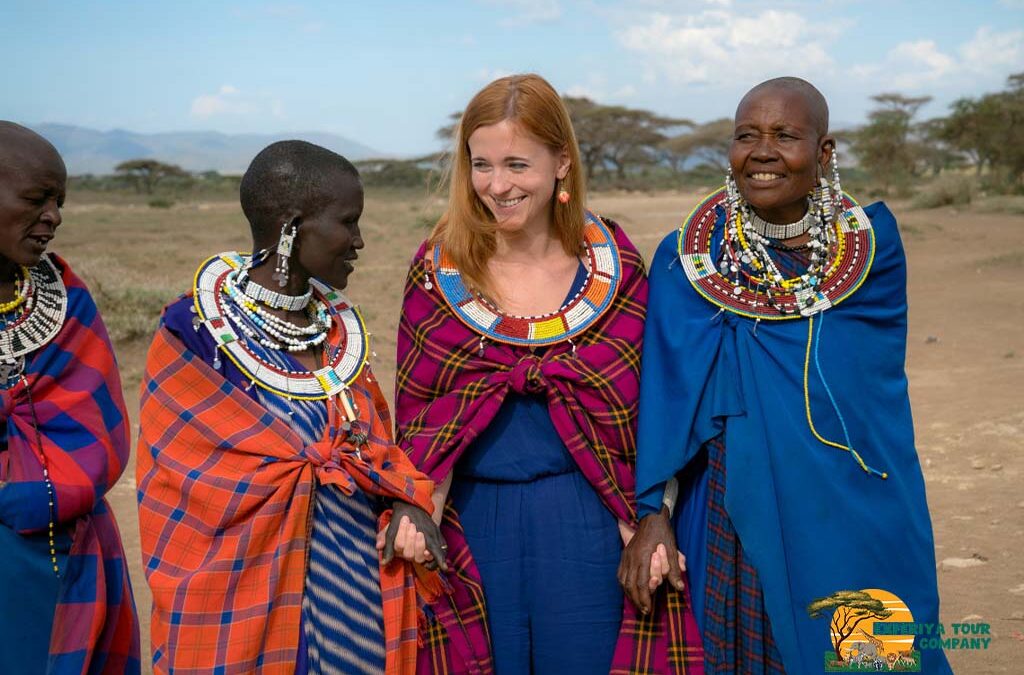
When people think of East Africa, they often picture vast savannahs, roaming wildlife, and the iconic image of a proud Maasai warrior draped in bright red shuka fabric. The Maasai, with their vibrant attire, distinctive customs, and rich cultural traditions, are among the most recognized indigenous communities in Africa. Visiting their villages whether in Kenya or northern Tanzania travelers a unique opportunity to connect with local heritage and witness a way of life that has endured for centuries.
However, before stepping into a Maasai homestead, known as a manyatta, it is important to approach your visit with awareness, respect, and understanding. Cultural tourism can be deeply rewarding, but only when approached thoughtfully. This guide will help you prepare for a visit that is respectful, meaningful, and enriching for both you and your hosts.
Who Are the Maasai?
The Maasai are a Nilotic ethnic group primarily found in southern Kenya and northern Tanzania. Traditionally, they are semi-nomadic pastoralists, living lives centered around cattle and community. They are well known for their warrior culture, intricate social structures, and elaborate ceremonies. While modernization has influenced Maasai life, many communities still uphold traditional practices while navigating contemporary challenges.
The Maasai speak Maa, a language in the Eastern Nilotic branch of the Nilo-Saharan family, though Swahili and English are widely spoken in areas frequented by visitors.
Why Do Tourists Visit Maasai Villages?
Travelers are often drawn to the Maasai for their striking appearance and cultural richness. Visiting a village allows you to:
- Learn about daily life, including herding, home-building, and local customs.
- Witness traditional dances, such as the adumu, or jumping dance.
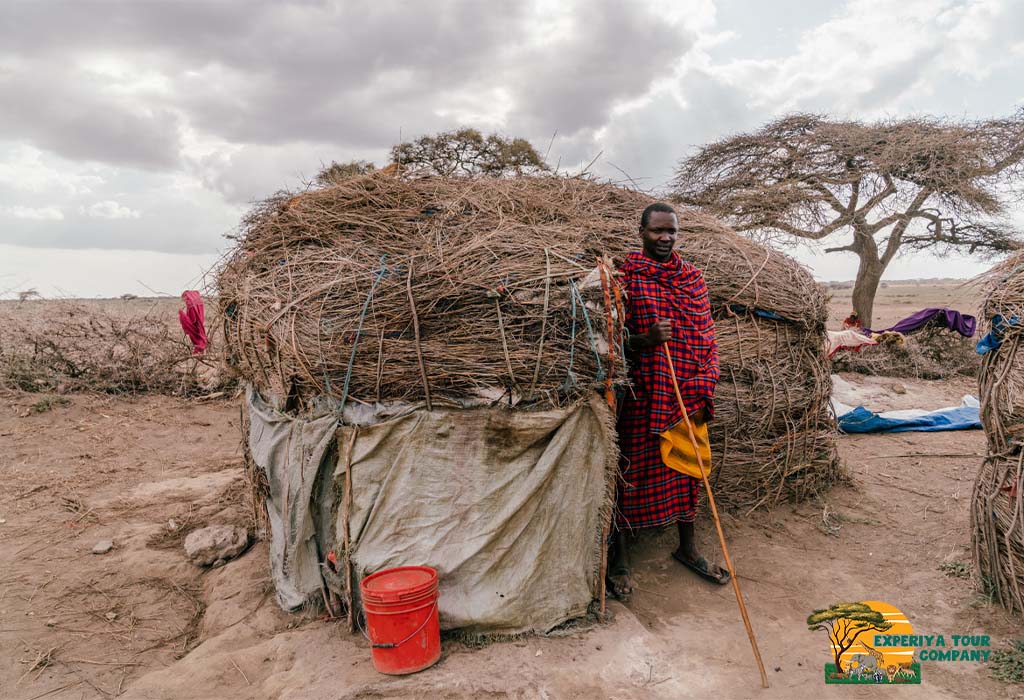
- Explore homesteads and understand family structures and routines.
- Purchase handcrafted beadwork and other artisanal products.
- Hear personal stories and perspectives from community members.
These experiences are far more than entertainment—they are opportunities for genuine cultural exchange, which requires mindfulness and respect.
Approaching Your Visit Ethically
One of the most important considerations before visiting a Maasai village is whether your visit supports the community ethically. The best experiences are those organized directly with Maasai cooperatives or reputable operators who fairly compensate the hosts. Ethical tourism provides income, promotes cultural preservation, and ensures that the community has agency in how their culture is represented.
Avoid tourism stops that treat the Maasai like a “living museum,” where they receive no meaningful benefit. Before your visit, ask how the experience is organized and how the community is involved. Ethical visits respect the dignity and autonomy of the Maasai.
What to Wear
Dress modestly and respectfully. Although Maasai men and women often wear clothing that exposes shoulders or legs, visitors should cover up to show cultural sensitivity. Avoid shorts, tank tops, or revealing clothing. Instead, choose neutral, breathable clothing suitable for dusty terrain and sunny conditions. Carrying a scarf or wrap can help you adjust your coverage as needed.
Photography Etiquette
Photography is allowed, but only with permission. The Maasai are frequently photographed due to their distinctive appearance, but it is essential to ask before pointing your camera. Many community members are comfortable being photographed, especially within tourism initiatives, but respect and courtesy must come first.
In some cases, a small fee may be requested in exchange for photos. When handled openly and respectfully, this is considered reasonable. Always prioritize human dignity over capturing a perfect shot.
What to Expect During Your Visit
Village visits often begin with a warm welcome, which may include singing or a ceremonial dance. You might explore homesteads, see livestock pens, visit local schools, and learn about traditional practices such as marriage customs, age-set systems, and spiritual beliefs.
Visitors are sometimes invited to participate in dances, try local food, or observe bead-making. These experiences provide a combination of education and cultural immersion. Remember that you are a guest in someone’s home humility, attentiveness, and gratitude go a long way in creating a meaningful interaction.
Supporting Local Artisans
Purchasing beadwork and crafts is encouraged. Buying directly from the women who make these items supports families and helps preserve cultural traditions. The designs are not only visually striking but also carry symbolic meanings related to gender, age, and marital status. Pay fair prices and avoid aggressive haggling, as your purchase directly contributes to economic empowerment.
Communicating With the Maasai
Although the Maasai primarily speak Maa, many also speak Swahili and some English, particularly in tourist-accessible areas. Even if you don’t speak the language, a guide can help with interpretation. Learning a few basic phrases is appreciated, such as “Sopa” (hello in Maa) and “Asante” (thank you in Swahili). These small gestures demonstrate respect and help foster a genuine connection.
Behavior During Ceremonies
If your visit coincides with a community ritual or celebration, approach the event with reverence. Some ceremonies may be private or sacred, and not all are open to outsiders. If invited to observe or participate, follow instructions quietly, avoid making jokes, and limit photography. You are witnessing traditions that may date back hundreds of years, so behave with humility and respect.
Discussing Modern Issues
Many Maasai are actively engaged with contemporary challenges such as land rights, education, environmental changes, and cultural transformation. Younger generations often balance tradition with modern education and technology. Thoughtful, open-ended questions can lead to meaningful conversations, such as:
- How has life changed in your community in recent years?
- What challenges does your community face today?
- Which traditions remain most important to you?
These discussions offer a deeper understanding of contemporary Maasai life beyond the surface of tourism.
Final Tips for a Respectful Visit
- Listen more than you speak: Show curiosity without interrogating. Let stories unfold naturally.
- Be present: Put away phones and avoid distractions during tours or ceremonies.
- Respect personal space: Not everyone is comfortable being touched or hugged.
- Follow your guide’s lead: Allow them to set the tone for what is appropriate.
Why Visiting the Maasai Can Be Life-Changing
A visit to a Maasai village is more than a photo opportunity; it is a window into a resilient, community-driven way of life, in harmony with nature. When approached ethically, such visits foster cultural appreciation, mutual understanding, and lasting memories.
As a traveler, come with openness, humility, and a genuine desire to learn. In return, you will leave not only with photographs and souvenirs but also with insight, connection, and a deeper respect for a people who have called East Africa home for centuries. Prepare not just your camera and walking shoes but also your heart and mind. Visiting the Maasai, when done right, is a profoundly human experience that will leave you richer than when you arrived.