
Mweya Peninsula Uganda: Wildlife, Bird watching & Safari Guide
December 19, 2025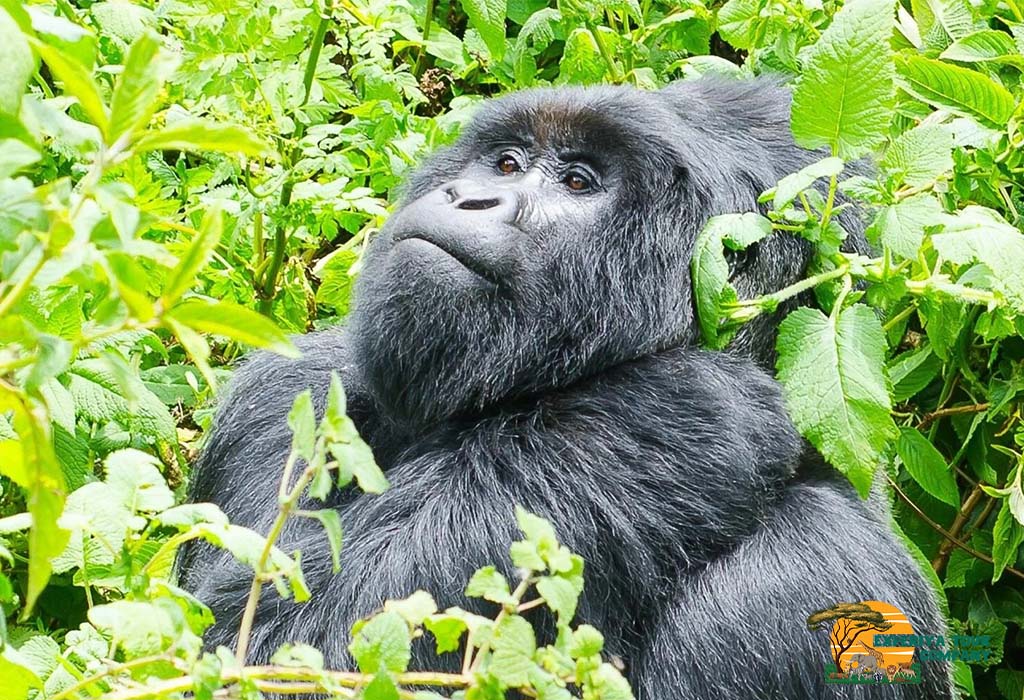
The Nyakagezi Gorilla Family
December 20, 2025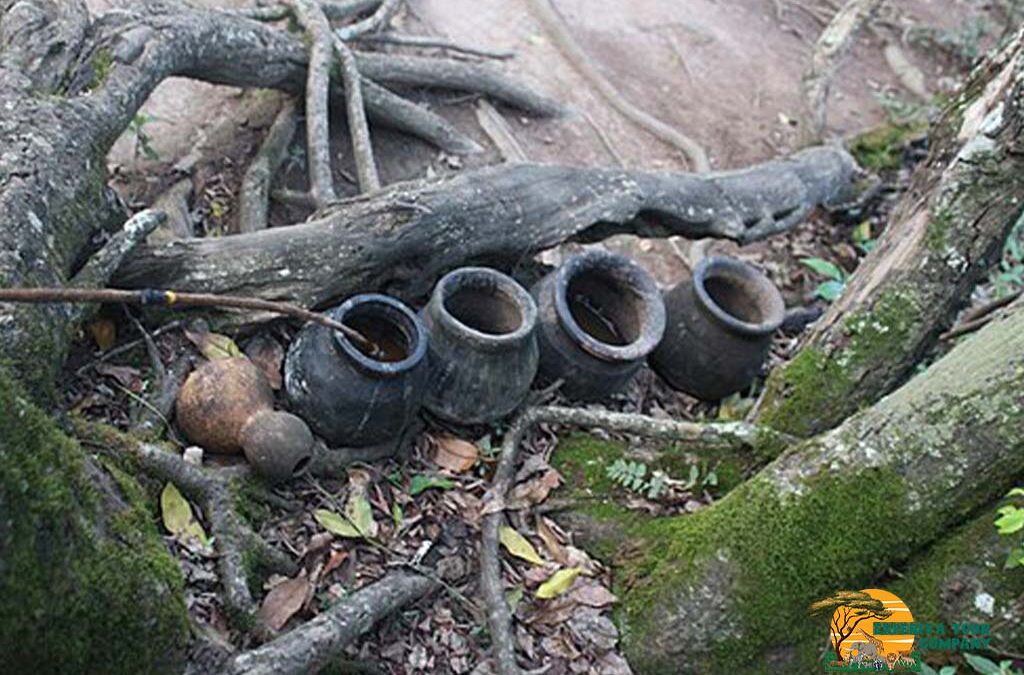
Bigo Bya Mugenyi is one of Uganda’s most important archaeological and cultural landmarks. Located in southwestern Uganda on the southern bank of the Katonga River, the site lies approximately 60 kilometers from Sembabule town and covers an area of about 10 square kilometers. Its significance lies in the valuable insights it offers into Uganda’s pre-colonial past and the ancient civilizations that once thrived in the region.
Origins and Early History
Historians and oral traditions attribute the founding of Bigo Bya Mugenyi to the Bachwezi (also known as the Chwezi) people. The site is believed to date back to the 13th century, during the era of the legendary Kitara Empire. Although the Bachwezi established a powerful and influential civilization, their dual-reign dynasty under Ndahura and Wamala was relatively short-lived.
Remarkable Earthworks and Structures
One of the most striking features of Bigo Bya Mugenyi is its extensive earthworks. These include concentric rings, embankments, deep ditches, and other man-made structures. Primarily, these features served defensive purposes by protecting the inhabitants from external threats. In addition, the earthworks may have been used for hunting, controlling animal movement, and marking areas of political or ritual importance.
Natural Environment and Cultural Practices
The site is surrounded by savannah grasslands, shrubs, wildflowers, and abundant insect life, creating a serene and natural atmosphere. Beyond its archaeological value, Bigo Bya Mugenyi remains an active cultural and spiritual site. Traditionally, visitors are required to wash themselves before entering the area. This ritual is believed to prevent angering the local gods and to ensure protection while on the site.
Why Is Bigo Bya Mugenyi Well Known?
Often referred to as the “Fort of a Stranger,” Bigo Bya Mugenyi is renowned for its association with the mythical Bachwezi dynasty. The massive earthworks, which date from approximately the 13th to the 17th century, are among the largest and most complex ancient structures in the Great Lakes region. Archaeologists and historians continue to study the site to better understand early state formation, social organization, and belief systems in East Africa.
Location and Layout
Bigo Bya Mugenyi lies within the interlacustrine region of southwestern Uganda. Commonly shortened to “Bigo,” meaning “city,” the site consists of an extensive network of ditches and berms. It has two main components, both situated along the southern bank of the Katonga River, highlighting its strategic and symbolic importance.
Purpose of the Ditches
The Bachwezi are believed to have dug the ditches surrounding Bigo Bya Mugenyi for several reasons. Most importantly, the earthworks provided defense against potential invaders, particularly groups approaching from the north. Additionally, the ditches may have helped keep elephants away from cultivated fields. The central earthworks likely protected rulers, served as administrative centers, facilitated trade, and symbolized the political power and organizational skills of the Bachwezi.
Relationship Between the Bachwezi and Bigo Bya Mugenyi
Bigo Bya Mugenyi holds deep cultural significance as one of the earliest known Bachwezi settlements in Mawogola County. Oral traditions describe the Bachwezi as semi-divine beings who once ruled large parts of western and central Uganda. Their legacy continues to influence local beliefs, rituals, and cultural identity.
Archaeological Discoveries
Excavations conducted in the 1960s uncovered valuable artifacts that shed light on daily life at Bigo Bya Mugenyi. These discoveries included more than 4,200 ceramic sherds from pots and jars, six fireplace kerbs, a clay bead, and several iron objects. Among the iron artifacts were a spear ferrule, a broken harvesting knife, a tanged arrowhead, and part of a bracelet, indicating advanced craftsmanship and agricultural activity.
Legends and Cultural Heritage
Oral legends strongly connect Bigo Bya Mugenyi to the Bacwezi dynasty, particularly the rulers Ndahura and Wamala. These traditions also credit the Bacwezi with introducing long-horn cattle, which later became central to the economy of the Great Lakes region. Such stories continue to shape cultural narratives and local pride.
Nearby Cultural Sites
From Mugenyi’s fort, visitors can easily access the nearby cultural sites of Nakayima and Ndawula, located just two kilometers away. According to local guides, people from different forts once gathered at the Ndawula site to receive blessings. Although legends suggest that the gods once worshipped there have since departed, the site remains spiritually significant. Today, between 20 and 40 visitors regularly come to pray to the Chwezi gods, alongside occasional tourists.
Significance Today
Among the three related sites Mugenyi, Ndawula, and Nakayima Mugenyi remains the most widely known. Nevertheless, all three locations offer rich cultural and historical experiences. In the past, people traveled from far and wide to seek blessings, guidance, and fulfillment of personal needs. Today, Bigo Bya Mugenyi continues to attract researchers, cultural enthusiasts, and travelers interested in Uganda’s deep and fascinating heritage.
