What Are the Basic Requirements for Gorilla Trekking?
December 19, 2025
Mweya Peninsula Uganda: Wildlife, Bird watching & Safari Guide
December 19, 2025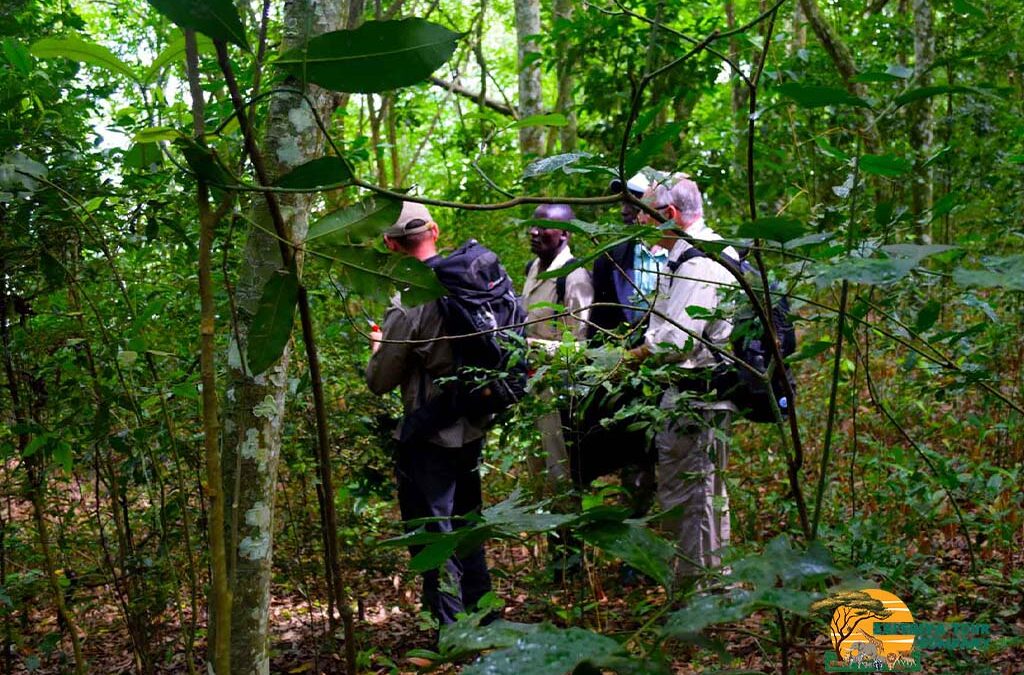
Why should you visit Maramagambo Forest? The answer becomes obvious the moment you step beneath its ancient canopy and feel the pulse of one of Uganda’s most underrated natural treasures. Nestled within Queen Elizabeth National Park in southwestern Uganda, this 152-square-kilometer rainforest offers a remarkable contrast to the open savannah landscapes that dominate most safari itineraries.
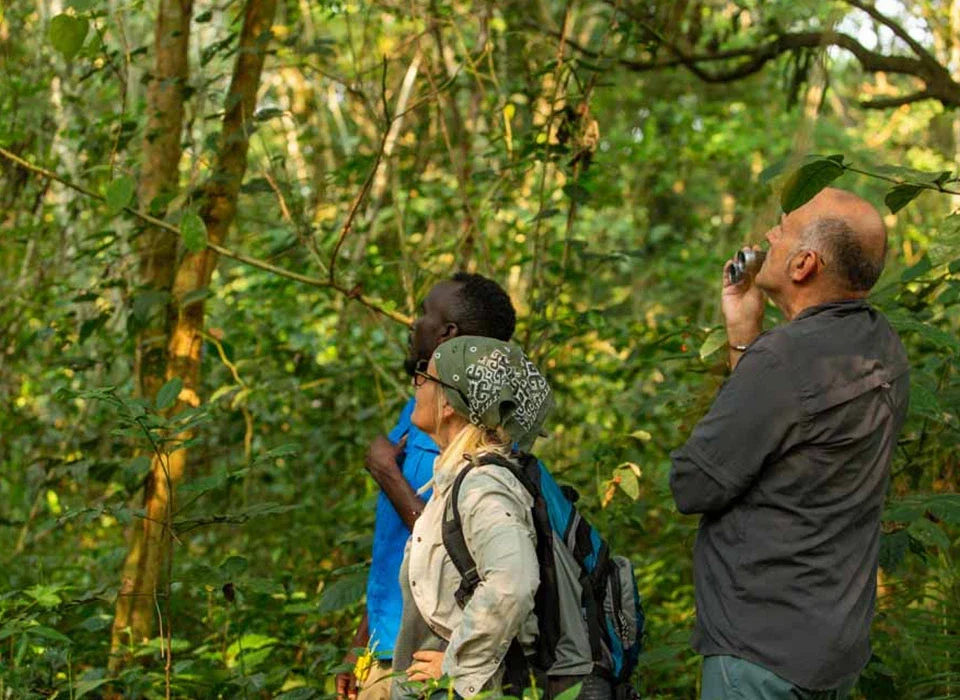
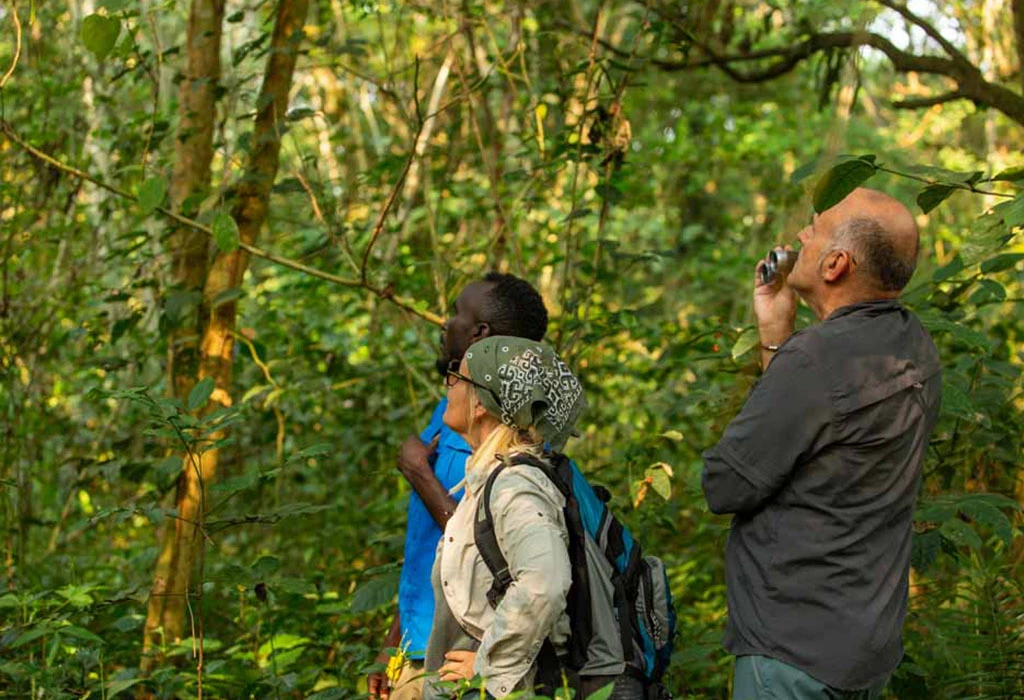
Here, thousands of bats roost in mysterious caves, pythons lie in wait for prey, chimpanzees swing gracefully through the canopy, and nocturnal primates emerge after dark. Experiya Tour Company invites travelers to explore this enchanting ecosystem, where nature walks replace game drives, trails wind through ancient trees, and every turn unveils a new surprise. The forest provides an authentic wilderness experience, perfectly complementing the traditional savannah safaris.
Understanding Maramagambo’s Ecological Significance
A Vital Component of Queen Elizabeth National Park
Maramagambo Forest forms the largest continuous forest block within Queen Elizabeth National Park (QENP), one of Uganda’s most biodiverse protected areas. While QENP is famous for its savannah wildlife tree-climbing lions, large elephant herds, and hippo-filled wetlands Maramagambo represents a strikingly different ecological realm. This tropical rainforest creates a sharp boundary where savannah species give way to forest specialists, effectively doubling the park’s biodiversity.
Situated at the transition zone between East Africa’s savannahs and the Congo Basin’s rainforests, the forest hosts unique species found nowhere else in Uganda. Lowland Congo species reach their easternmost range here, while woodland-adapted savannah species push into forest edges. This overlap produces exceptional species richness, making Maramagambo a top destination for naturalists, researchers, and wildlife enthusiasts seeking a comprehensive East African biodiversity experience.
Experiya Tour Company designs itineraries to showcase this contrast, combining forest trails with savannah game drives. By experiencing both habitats, visitors gain a deeper understanding of how different ecosystems support distinct wildlife communities.
Dense Tropical Rainforest Ecosystems
Maramagambo’s mature canopy rises 30–40 meters, forming a multi-layered structure that sustains diverse plant and animal communities across vertical strata. Towering fig trees, mahogany, and ironwoods filter sunlight, creating the characteristic dim, humid forest environment.
The understory, composed of shade-tolerant shrubs and young trees, shelters terrestrial wildlife such as primates, duikers, and occasionally forest elephants. The forest floor, blanketed in leaf litter and fallen logs, hosts decomposers that recycle nutrients, enriching the soil. Meanwhile, lianas and epiphytes decorate the trees, creating complex three-dimensional habitats for arboreal species.
Every vertical layer and microhabitat supports different species, so walking Maramagambo’s trails is like traversing multiple ecosystems within a few meters, each revealing new wildlife and botanical wonders.
Conservation Importance and Threats
Like many African rainforests, Maramagambo faces challenges including habitat fragmentation, illegal logging, bushmeat hunting, and human-wildlife conflict at its boundaries. However, its location within QENP ensures legal protection, while tourism revenue helps fund both conservation and community development initiatives.
Experiya Tour Company collaborates with conservation organizations monitoring chimpanzee populations, conducting biodiversity surveys, and supporting community projects. By traveling responsibly, visitors directly contribute to forest protection. Park fees finance ranger patrols, anti-poaching measures, and habitat restoration projects, ensuring Maramagambo’s long-term survival.
The Famous Bat Caves: Nature’s Underground Spectacle
Python Cave: A Predator-Prey Marvel
The Python Cave is Maramagambo’s most famous attraction, offering visitors a chance to witness a rare predator-prey dynamic. Formed by ancient volcanic activity, the cave houses 70,000–100,000 Egyptian fruit bats that roost during the day and emerge at dusk to feed.
African rock pythons, some 4–6 meters long, hunt these bats systematically, positioning themselves near cave entrances and along interior walls. Observant visitors may spot hunting attempts, though actual captures require patience and luck.
Experiya Tour Company schedules visits when bat activity peaks, guiding visitors to safe viewing areas that provide excellent observation without disturbing wildlife. The platform system balances accessibility with safety, offering an immersive yet responsible encounter.
Bat Cave Experience: Safety and Sensory Immersion
Visitors experience a mix of thrill and education as guides explain the cave’s ecological dynamics. Beyond bats and pythons, cave floors host insects, spiders, and other decomposers that thrive in darkness, supported by bat guano.
Following simple safety protocols keeping distance from pythons, avoiding sudden movements, and listening to guides ensures a safe visit. The musty smell of guano, the chittering of thousands of bats, the humid atmosphere, and the occasional glimpse of massive pythons coiled in shadows make the encounter unforgettable.
Timing visits for the evening bat emergence reveals clouds of bats swirling into the sky, a spectacle with ecological significance: bats pollinate trees and disperse seeds, sustaining the forest. Photography enthusiasts can arrange specialized sessions with guides to capture stunning silhouette shots or freeze bat flight using appropriate lighting.
Primate Diversity: From Chimps to Bushbabies
Chimpanzees: Wild Encounters
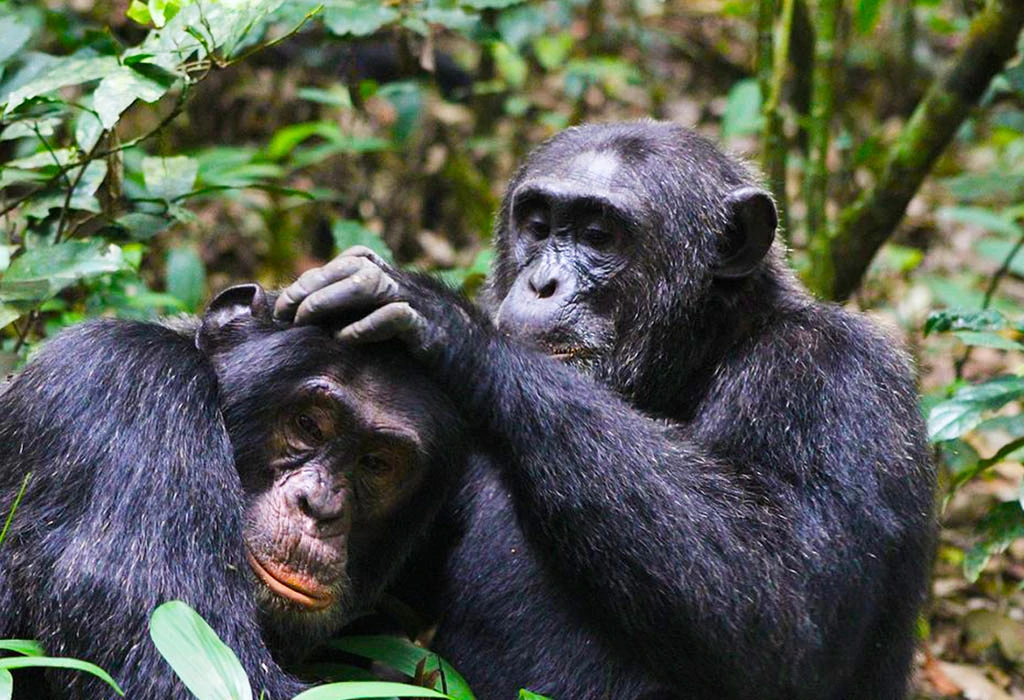
Maramagambo hosts 200–300 chimpanzees, which, unlike Kibale Forest’s habituated groups, remain largely wild. Tracking them offers a more challenging yet authentic experience.
These chimps use tools, hunt cooperatively, and maintain complex social structures. Experiya Tour Company arranges tracking expeditions with experienced Uganda Wildlife Authority guides who can interpret signs such as vocalizations, nests, and feeding remains. Even when chimps remain elusive, travelers learn valuable tracking skills and encounter diverse forest wildlife.
Monkeys and Nocturnal Primates
Visitors can spot red-tailed monkeys, L’Hoest’s monkeys, black-and-white colobus, blue monkeys, and occasional olive baboons along forest trails. Each species displays unique behaviors, social structures, and habitat preferences, providing endless observation and photography opportunities.
Night walks reveal nocturnal primates like pottos and bushbabies, along with owls, chameleons, tree frogs, and glowing millipedes. These guided walks transform the forest after dark, offering a completely different perspective on biodiversity.
Birdwatching Paradise: Feathered Treasures
Maramagambo hosts over 200 bird species, including Albertine Rift endemics such as the Rwenzori Turaco, African Green Broadbill, and Purple-breasted Sunbird. Forest specialists, including flycatchers, pigeons, and greenbuls, add to the rich avian diversity.
Birding hotspots include forest edges, river valleys, and canopy gaps, where light and fruiting plants attract birds. Seasonal migrations and breeding cycles influence activity patterns. Experiya Tour Company schedules early morning birding sessions to catch the dawn chorus, while afternoons allow for other forest activities or rest.
Nature Walks and Hiking Trails
Trail Systems and Experiences
Maramagambo’s trail network accommodates all fitness levels. The Forest Canopy Trail is a 3–4 hour moderate loop, the Blue Lake Trail descends to a crater lake, and the Waterfall Trail offers a full-day, challenging adventure. Trails showcase biodiversity, scenic landscapes, and wildlife encounters, including elephants and duikers.
Guides carry first aid kits, communication devices, and provisions to ensure safety while maximizing enjoyment.
Specialized Interpretive Walks
Experiya Tour Company also offers guided walks focusing on botany, insects, and cultural knowledge. Visitors learn to identify plants, observe insect behavior, and understand traditional forest uses. Cultural walks highlight sustainable practices and local heritage, connecting ecological knowledge with human history.
Crater Lakes: Serene Aquatic Jewels
Lakes such as Kyadanduka and Nyamasingiri formed from volcanic activity and provide stunning scenery and wildlife viewing. These isolated ecosystems harbor unique aquatic species and serve critical watershed functions. Visitors experience tranquility, photography opportunities, and occasionally spot otters or forest elephants at the shoreline.
Conservation is central: maintaining forest cover protects water quality and aquatic habitats. Responsible tourism directly supports preservation, as entry fees fund protection initiatives.
Cultural Experiences: Community Connections
Banyaruguru Heritage
The Banyaruguru people, indigenous to areas surrounding the forest, maintain traditional cultural practices. Experiencing their villages, architecture, crafts, herbal medicine preparation, and dance performances enriches visitors’ understanding of the human-nature connection.
Experiya Tour Company ensures that cultural visits benefit local communities, funding schools, health clinics, and income-generating activities that reduce dependence on forest resources. Integrating traditional ecological knowledge with modern conservation strengthens both cultural preservation and environmental protection.
Best Time to Visit Maramagambo Forest
- Dry Seasons (December–February, June–Mid-September): Trails remain dry, wildlife congregates at water sources, and photography conditions are ideal.
- Wet Seasons (March–May, October–November): The forest flourishes, offering lush scenery, vibrant bird activity, and fewer tourists, though trails may be slippery.
Experiya Tour Company guides visitors to prepare appropriately for either season, ensuring safe, rewarding, and memorable experiences.
Conclusion
Maramagambo Forest stands as Uganda’s hidden rainforest gem. From dramatic bat caves and wild chimpanzees to Albertine Rift endemic birds and tranquil crater lakes, it delivers experiences unavailable elsewhere in East Africa. By traveling with Experiya Tour Company, you ensure your forest adventure maximizes wildlife encounters, cultural connections, and conservation impact, all while maintaining comfort and safety.
Discover Maramagambo Forest where Uganda’s rainforest biodiversity awaits your exploration.