
Adventure Activities You Can Do in Uganda
December 19, 2025
What Are the Basic Requirements for Gorilla Trekking?
December 19, 2025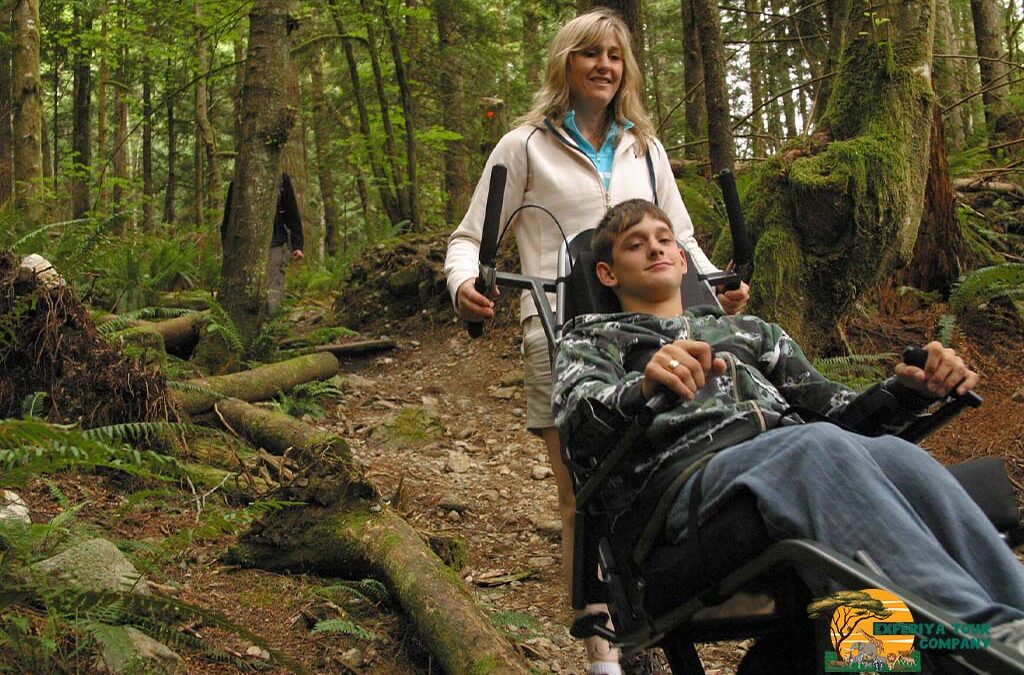
It is absolutely possible for individuals with disabilities to enjoy hiking. However, it often requires careful preparation, adaptive equipment, and an awareness of personal limitations. Fortunately, hiking is becoming increasingly inclusive, thanks to the efforts of various organizations and advocates who promote accessible trails and provide guidance for people with impairments.
Accessibility
Many parks and trails were not originally designed with accessibility in mind. Despite this, organizations are actively identifying and promoting routes suitable for individuals with disabilities. They also provide advice on how to modify existing trails and hiking experiences to make them more accessible.
Adaptive Gear
People with mobility impairments can enjoy hiking through the use of specialized equipment. All-terrain wheelchairs, modified trekking poles, and other adaptive devices make outdoor exploration possible. For example, wheelchairs with off-road tires and reinforced frames allow users to navigate rough terrain more safely. Specialized equipment, such as the Ursa Mountain Chair or GRIT Freedom Chair, helps wheelchair users access more challenging trails.
Mindful and Slow Hiking
Many individuals with disabilities find that hiking is most enjoyable when approached at a slower pace. Focusing on sensory experiences, such as listening to birds or feeling the textures of nature, enhances the experience. Organizations that support disabled hikers often organize guided hikes tailored to individual abilities, allowing participants to enjoy nature safely and comfortably.
Personal Preparation
Each person’s needs and capabilities are unique. Planning a hike involves considering stamina, terrain, and personal comfort. This preparation ensures safety and maximizes enjoyment during the trek.
Essential Hiking Equipment for Disabled Individuals
Adaptive hiking equipment can greatly improve accessibility and safety. Wheelchair users may benefit from all-terrain wheelchairs or attachments that enhance mobility on uneven surfaces. Trekking poles provide stability and reduce strain on joints, especially during steep descents. Sleeping pads, blankets, and appropriate sleeping bags ensure warmth and comfort for overnight hikes.
Other helpful items include hammocks or camping chairs for rest, adapted kitchen utensils for cooking, and navigational tools such as GPS devices or trail apps to track accessible routes and receive real-time updates. Backpacks designed to accommodate mobility aids can make carrying essentials easier, while snacks, toiletries, and entertainment help maintain comfort and convenience.
Hiking in a Wheelchair
Hiking in a wheelchair requires specialized equipment and sometimes assistance from companions. Beginners should start with shorter, less challenging trails and gradually tackle more difficult routes as stamina improves. Carrying water, snacks, sunscreen, and weather-appropriate clothing is essential for safety and comfort.
Challenges for Wheelchair Users
One of the most significant challenges for wheelchair users is the lack of accessibility, which affects both daily life and social interactions. Navigating public transportation, inaccessible buildings, and everyday tasks such as cooking or showering can be difficult. Additionally, social stigma and negative perceptions may lead to isolation and fewer opportunities for participation.
Common Injuries and Wheelchair Types
Repetitive propulsion during sports and daily use can lead to soft tissue injuries, fractures, and lacerations, especially in the hands and arms. Falls or tipping accidents also contribute to injuries, including fractures. Manual wheelchairs, which require upper body strength to operate, are the most common type, while specialized all-terrain or powered wheelchairs provide additional mobility options.
Conclusion
With the right preparation, equipment, and support, hiking is a fulfilling activity for individuals with disabilities. By embracing adaptive gear, mindful pacing, and accessible routes, anyone can experience the joys of the outdoors.
