
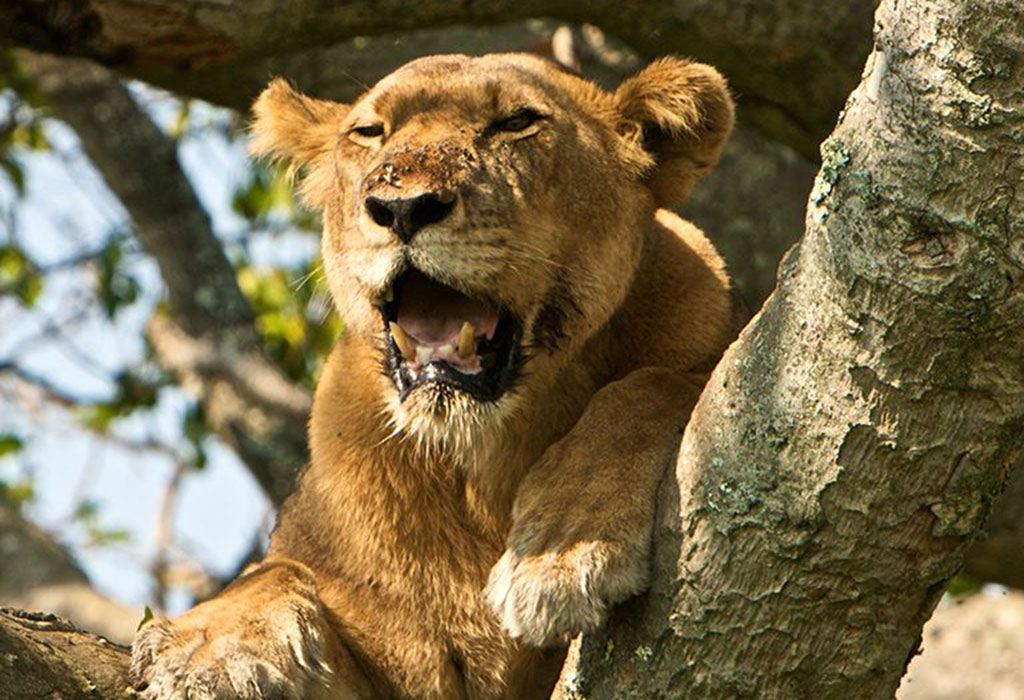
Big Cat Photography Safaris in Uganda
December 18, 2025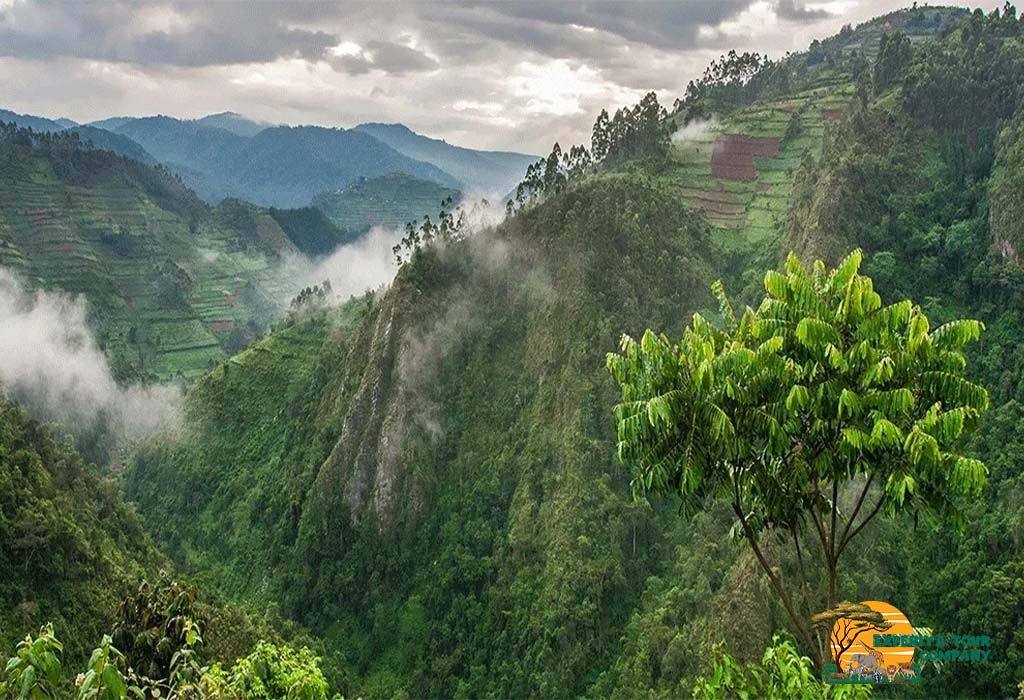
What You Need to Know About Uganda’s Weather and Climate
December 19, 2025Travel safety in the Democratic Republic of the Congo (DRC) depends largely on where you plan to go and current security conditions, which can change quickly. While parts of the country remain unstable, other regions welcome visitors under controlled and well-managed circumstances. Below is a clear, honest, and human-centered overview to help you make an informed decision.
A Quick, Honest Answer
The DRC is not uniformly safe for tourism. Some areas particularly in the east face ongoing security challenges. However, limited tourism is possible in selected regions such as Virunga National Park, Kahuzi-Biega National Park, and parts of Kinshasa, Goma, and Bukavu, provided travelers follow strict safety protocols and travel with qualified local guides.
In short, travel to the DRC is possible but carries higher risk than many other African destinations.
Which Parts of the Congo Are Unsafe?
Eastern DRC – High Risk Areas
Eastern provinces remain the most volatile. These include:
- North Kivu
- South Kivu
- Ituri
Armed groups continue to operate in these regions, creating serious risks such as:
- Armed clashes and military operations
- Kidnappings, including incidents involving foreign nationals
- Banditry and road ambushes
- Civil unrest and sudden political instability
Virunga National Park: Beautiful but Risk-Prone
Virunga National Park lies in North Kivu, an area with a history of insecurity. Although the park periodically reopens with tight security measures and armed escorts, it has also experienced closures following attacks.
As a result, visitors should only enter Virunga:
- With authorized operators
- On officially approved itineraries
- With a clear understanding of the risks involved
Are There Safer Areas for Tourists in the DRC?
Yes some parts of the country experience relative stability, especially when travelers stay within defined tourism or urban zones.
Relatively Safer Areas Include:
Kinshasa (Capital City)
Generally calm, with challenges similar to other large African cities. Petty theft occurs, but short stays, business travel, and guided city tours are feasible.
Zongo Falls (Near Kinshasa)
A popular natural attraction suitable for guided day trips.
Lubumbashi (Katanga Region)
A commercial and mining hub that remains largely removed from eastern conflict zones.
Kahuzi-Biega National Park (Near Bukavu)
Known for eastern lowland gorillas, this park has experienced improved security in recent years. Visits remain safest when travelers use official permits, professional guides, and updated security briefings.
Even in these areas, travelers should monitor developments closely and avoid spontaneous or independent travel.
Essential Safety Precautions for Visiting the DRC
If you decide to travel to the DRC, preparation is critical. The following precautions significantly reduce risk:
- Travel with experienced local guides who coordinate with authorities
- Check updated travel advisories from official government sources
- Avoid independent travel, especially outside major cities
- Register with your embassy before or upon arrival
- Stay informed daily, as conditions can shift quickly
- Avoid night travel and remote roads
- Follow local advice on-the-ground knowledge often proves more accurate than distant reports
Is Gorilla Trekking in the Congo Safe?
Yes but only under strict conditions.
Gorilla trekking takes place in:
- Virunga National Park – Mountain gorillas
- Kahuzi-Biega National Park – Eastern lowland gorillas
Both parks require:
- Advance permits
- Certified guides
- Armed ranger escorts
Many travelers complete these treks safely, particularly in Kahuzi-Biega, which has seen more consistent stability. However, Virunga carries higher risk due to its location.
If your priority is safety above all else, Uganda and Rwanda offer similar gorilla trekking experiences with far greater stability.
Visas and Entry Requirements
All travelers must obtain a DRC visa in advance. Typical requirements include:
- A passport valid for at least six months
- A yellow fever vaccination certificate (mandatory)
- Proof of accommodation or tour booking
- Evidence of onward or return travel
Border crossings from neighboring countries may be smoother with pre-arranged documentation and local assistance.
Should You Travel to the DRC Now?
The answer depends on your experience, risk tolerance, and expectations.
- Experienced travelers with a strong interest in conservation, primates, or remote destinations may find a carefully planned visit rewarding.
- First-time visitors to Africa, families, or travelers seeking a relaxed safari experience may feel more comfortable choosing alternative destinations with stronger infrastructure and stability.
Ultimately, the DRC offers extraordinary natural beauty and rare wildlife encounters. However, it demands careful planning, flexibility, and a realistic understanding of risk.
Final Thoughts
The Democratic Republic of the Congo is not an easy destination—but it is a deeply powerful one. For travelers who approach it with respect, preparation, and caution, certain regions can offer unforgettable experiences. Still, safety must always come first, and choosing the right destination for your comfort level is essential.


