Rwanda Primates and Their Habitats
December 18, 2025
Solo Female Travel in East Africa
December 18, 2025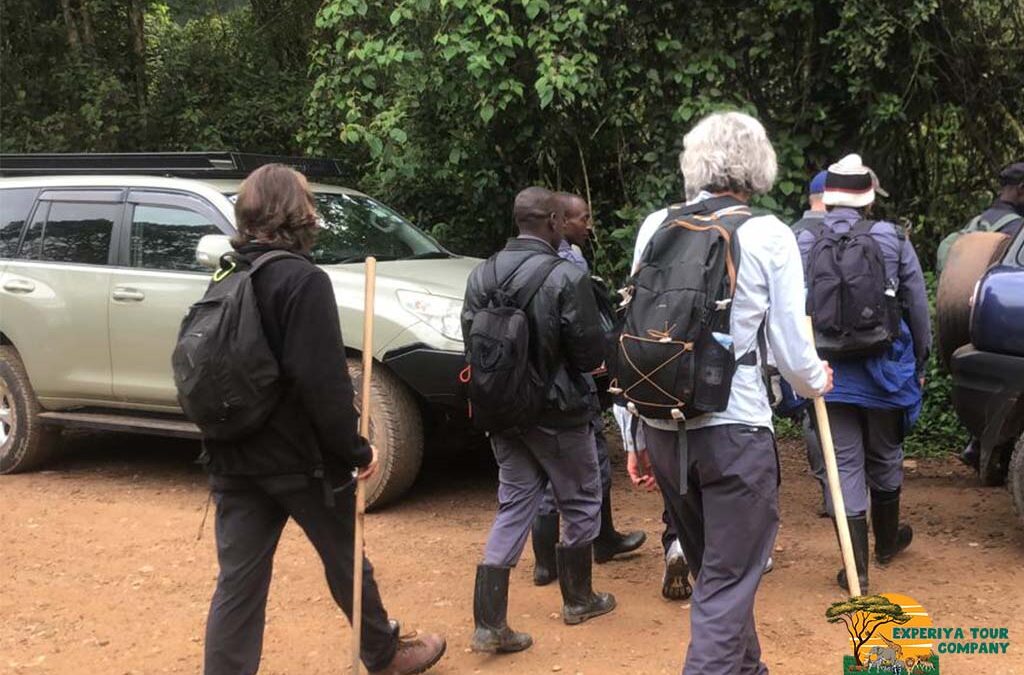
The Pearl of Africa Unveiled
What makes Uganda different from the countless safari destinations across Africa? The answer lies in its rare ability to compress extraordinary diversity into a compact, accessible country. Uganda delivers an authentic and intimate encounter with nature, culture, and adventure without the crowds or inflated costs found elsewhere.
Known as the “Pearl of Africa,” Uganda defies expectations. It offers endangered mountain gorillas, the source of the world’s longest river, ancient rainforests, classic savannas, and genuine cultural warmth all within a single journey. Above all, Uganda rewards travelers with depth, authenticity, and value that more commercialized destinations struggle to match.
Mountain Gorillas and a Primate Paradise
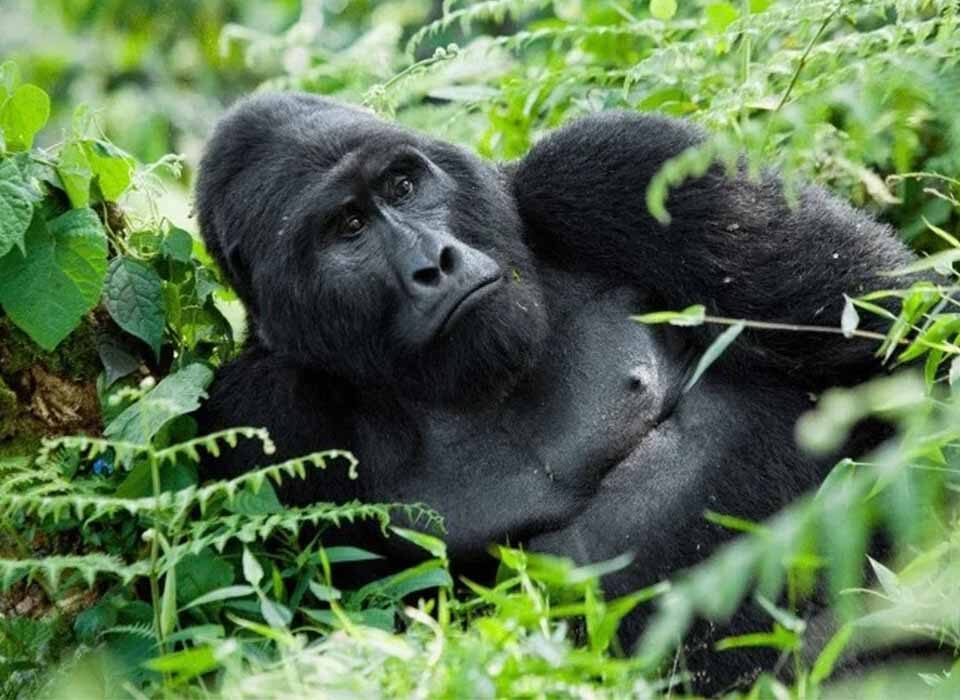
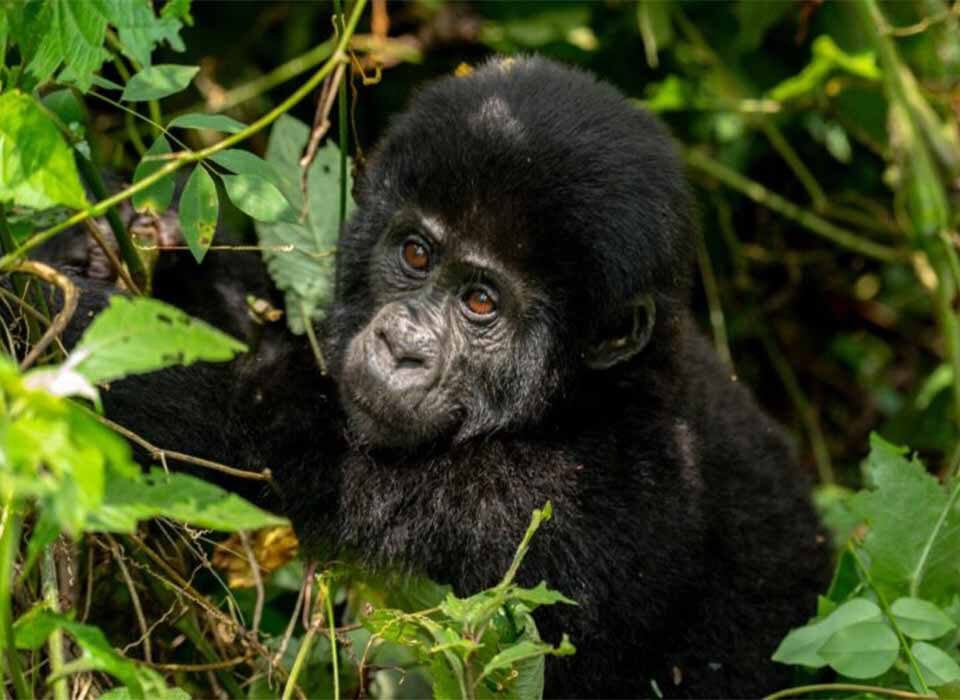
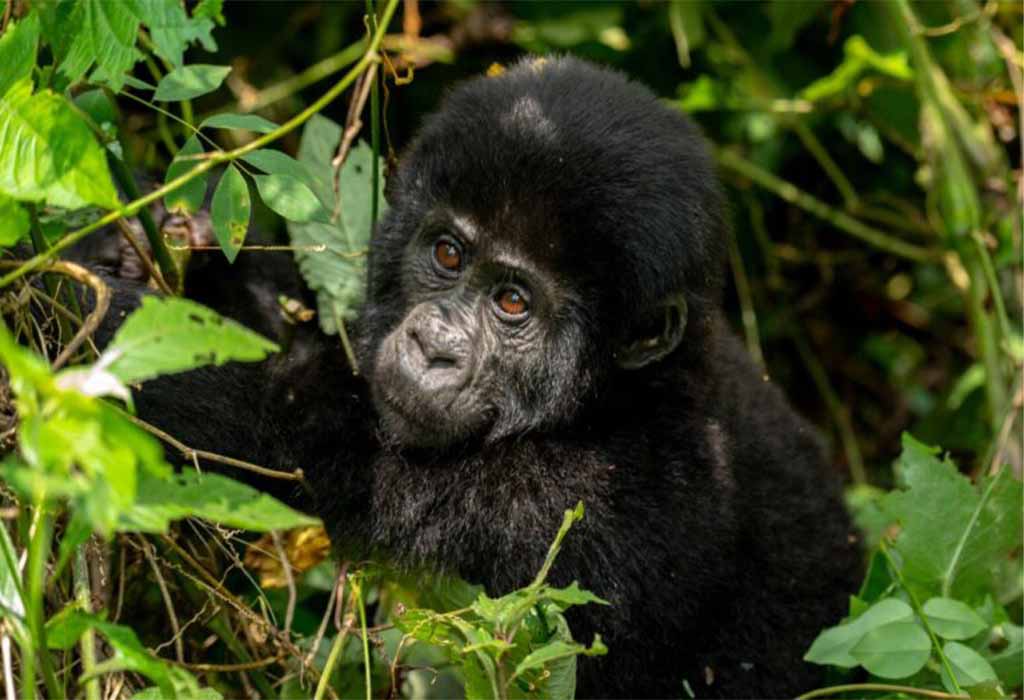
Uganda’s greatest distinction lies in the misty highlands of Bwindi Impenetrable National Park and Mgahinga Gorilla National Park, which together protect more than half of the world’s remaining mountain gorillas. This is not merely a statistic; it is a global conservation success and one of the most powerful wildlife encounters on Earth.
Here, visitors sit just meters away from wild gorilla families as they feed, play, and interact in their natural rainforest home. The experience feels deeply personal, emotional, and humbling.
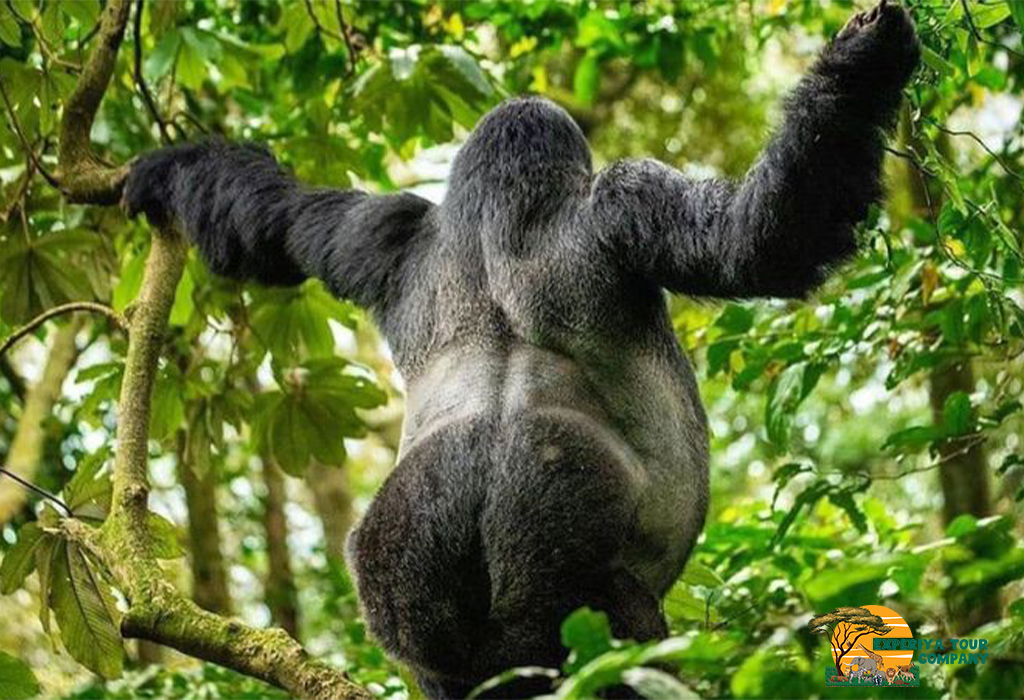
An Intimate Encounter with Our Closest Relatives
Gorilla trekking in Uganda offers far more than wildlife viewing. Trekkers hike through dense vegetation and steep terrain before encountering gorillas that share nearly 98% of human DNA. This physical effort heightens the reward, transforming the experience into a profound connection rather than a passive observation.
Importantly, Uganda conducts trekking under strict conservation guidelines that prioritize gorilla welfare, ensuring encounters remain ethical and sustainable.
Kibale National Park: The Primate Capital of the World
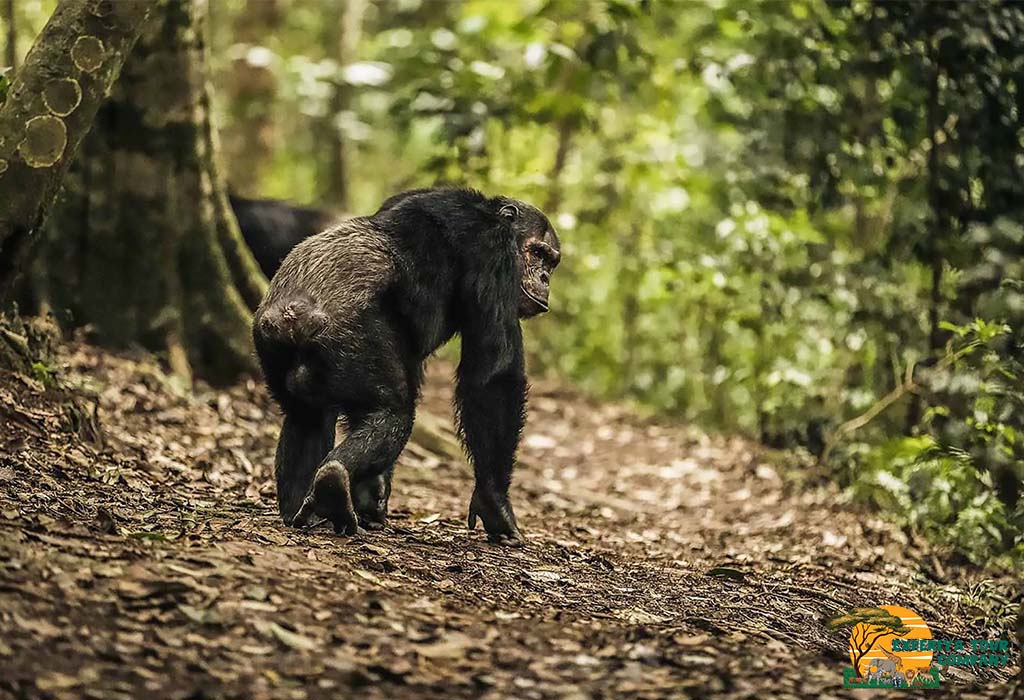
Beyond gorillas, Uganda stands as Africa’s premier primate destination. Kibale National Park, often called the Primate Capital of the World, hosts 13 primate species, including large populations of chimpanzees.
Chimpanzee tracking here brings the forest alive with calls, movement, and social drama. Additionally, species such as red colobus monkeys, L’Hoest’s monkeys, grey-cheeked mangabeys, and olive baboons create constant wildlife activity within the canopy.
Golden Monkeys: A Rare Virunga Treasure
In Mgahinga, travelers can also track golden monkeys, endangered primates found only in the Virunga Mountains. Their striking golden fur, playful behavior, and accessibility make Uganda one of the best places in Africa to see them.
Together, gorillas, chimpanzees, and golden monkeys place Uganda in a category of its own—no other destination offers such primate diversity within such a small area.
Diverse Landscapes: A Continent in Miniature
Remarkable Variety in a Compact Country
Uganda’s landscapes shift dramatically over short distances. In a single trip, travelers move from ancient rainforests to open savannas, from crater lakes to snow-capped mountains. Few African countries offer such ecological range without crossing borders.
Ancient Tropical Rainforests
Bwindi and Kibale preserve some of Africa’s oldest rainforests, dating back over 25,000 years. These forests shelter forest elephants, rare birds, butterflies, and immense botanical diversity. Standing beneath the towering canopy delivers a powerful sense of primeval Africa.
Classic Savannas and Iconic Wildlife
In contrast, Queen Elizabeth, Murchison Falls, and Kidepo Valley National Parks offer classic savanna landscapes. Here, elephants, buffalo, lions, giraffes, and antelope roam freely among acacia-dotted plains.
Uniquely, Uganda allows travelers to combine rainforest trekking and savanna game drives within the same day—an experience few destinations can replicate.
The Rwenzori Mountains: The Mountains of the Moon
Rising almost directly on the equator, the Rwenzori Mountains feature glaciers, snowfields, and Afro-alpine vegetation. Giant lobelias and groundsels create surreal scenery that feels almost otherworldly. This dramatic contrast underscores Uganda’s extraordinary geographical compression.
The Source of the Nile
Uganda also holds one of Africa’s most significant geographical landmarks the source of the Nile at Jinja. From Lake Victoria, the river begins its 6,650-kilometer journey to the Mediterranean, creating rapids, falls, and fertile ecosystems along the way.
Lakes, Wetlands, and Crater Landscapes
Lake Victoria, crater lakes near Fort Portal, and vast wetlands add another layer of diversity. These aquatic ecosystems support rich wildlife, fishing communities, and breathtaking scenery, ensuring that no two days in Uganda look the same.
Rich Cultural Tapestry Beyond the Safari
Over 50 Ethnic Groups and Living Traditions
Uganda’s cultural diversity mirrors its ecological variety. With more than 50 ethnic groups, each with distinct languages and customs, the country offers cultural experiences that feel genuine rather than staged.
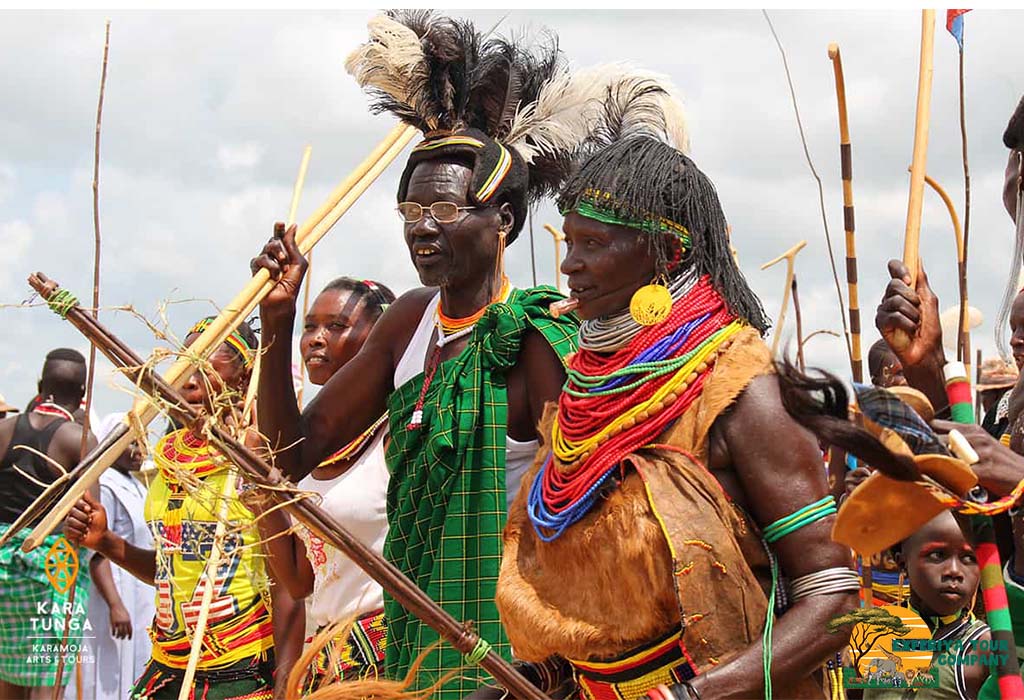
The Batwa: Indigenous Forest Knowledge
The Batwa people, former forest dwellers of Bwindi, share deep knowledge of medicinal plants, hunting traditions, and forest life. When visited respectfully, these encounters provide meaningful insight into conservation, history, and indigenous resilience.
Ceremonies, Kingdoms, and Pastoral Cultures
From the Imbalu initiation ceremonies of eastern Uganda to the pastoral traditions of the Karamojong, and from the royal heritage of Buganda, Bunyoro, and Toro kingdoms to everyday village life, culture remains actively lived rather than preserved solely for tourism.
Language, Cuisine, and Music
English makes Uganda accessible, while Luganda, Swahili, and dozens of local languages enrich daily interactions. Meanwhile, matoke, luwombo, traditional drumming, and storytelling engage the senses and deepen cultural understanding.
Unique Wildlife Experiences
Tree-Climbing Lions of Ishasha
In southern Queen Elizabeth National Park, lions regularly climb fig trees—an unusual behavior rarely seen elsewhere. Watching these powerful predators lounge in branches creates unforgettable photographic moments.
Elephant Recovery and Conservation
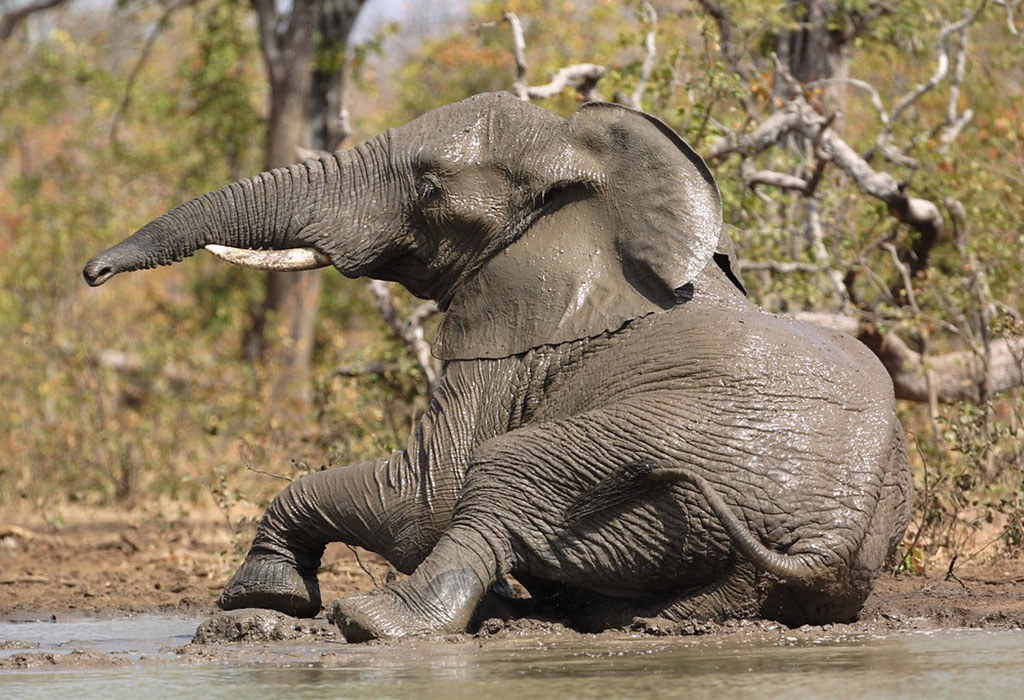
Uganda’s elephant populations continue to recover after past declines. Savanna and forest elephants now thrive across multiple parks, offering valuable insight into conservation success and human-wildlife coexistence.
A Birder’s Paradise
With over 1,000 bird species, Uganda ranks among the world’s top birding destinations. Shoebill storks, Albertine Rift endemics, turacos, and sunbirds attract both experts and casual birdwatchers.
Beyond the Big Species
Butterflies, reptiles, amphibians, and diverse plant life complete Uganda’s ecological richness, offering a holistic wildlife experience rather than a narrow focus on marquee animals.
Authenticity and Affordability
Fewer Crowds, Deeper Encounters
Uganda’s parks receive far fewer visitors than more famous safari destinations. As a result, wildlife encounters feel personal and unhurried whether trekking gorillas or watching lions without vehicle congestion.
Exceptional Value for Money
Gorilla permits and overall travel costs remain significantly lower than in neighboring countries, while the quality of experiences remains world-class. This affordability allows longer stays and more diverse itineraries.
Genuine Hospitality
Perhaps most memorably, Ugandans offer sincere warmth and openness. Their hospitality feels natural rather than transactional, creating meaningful human connections throughout the journey.
The Pearl of Africa: Climate, Greenery, and Water
A Temperate Equatorial Climate
Despite its equatorial location, Uganda enjoys moderate temperatures thanks to its altitude and abundant water bodies. Travel remains comfortable year-round.
Emerald Landscapes and Fertile Hills
Uganda’s rolling green hills, tea plantations, and cultivated valleys distinguish it visually from drier African regions. Even in dry seasons, the landscape stays lush and vibrant.
A Nation Shaped by Water
Lakes, rivers, wetlands, and waterfalls define Uganda’s geography. Highlights include Lake Victoria, the Nile River, Murchison Falls, and crater lakes
Conclusion: Discover the True Pearl of Africa
Uganda stands apart as a destination of exceptional diversity, authenticity, and value. From intimate primate encounters and dramatic landscapes to vibrant cultures and uncrowded wilderness, the country offers far more than a traditional safari.
Ultimately, Uganda delivers a transformative journey one that connects wildlife, people, and place in ways few destinations can. The Pearl of Africa awaits those willing to explore beyond the familiar and discover a richer, deeper Africa.