The Budget Traveler’s Guide to Rwanda Safaris
December 17, 2025
Jinja City Experience in Uganda With Experiya Tour Company
December 17, 2025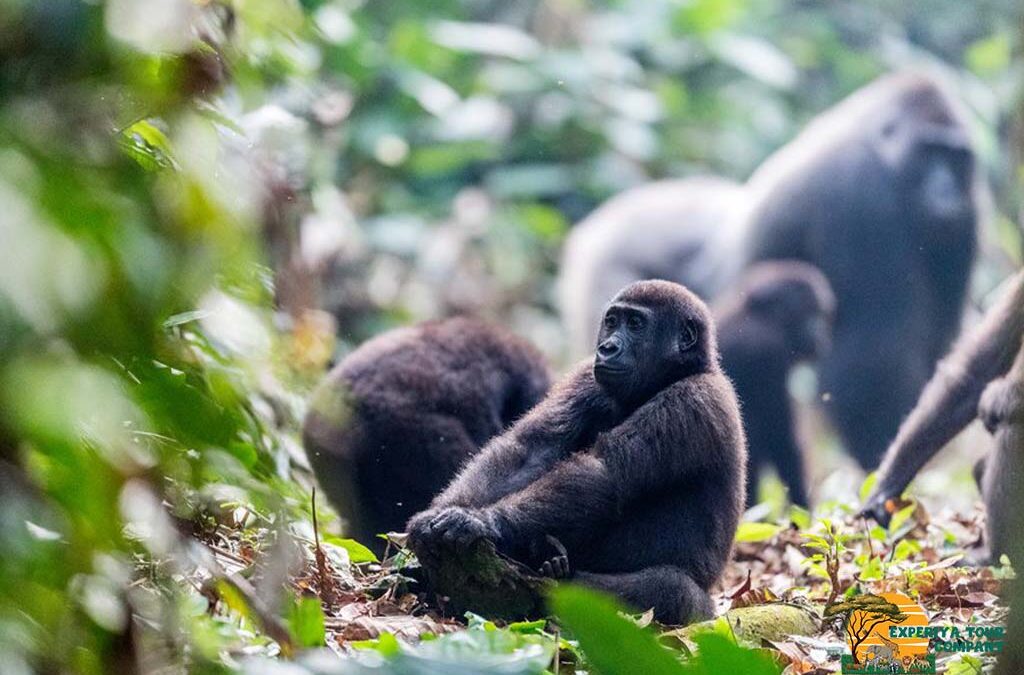
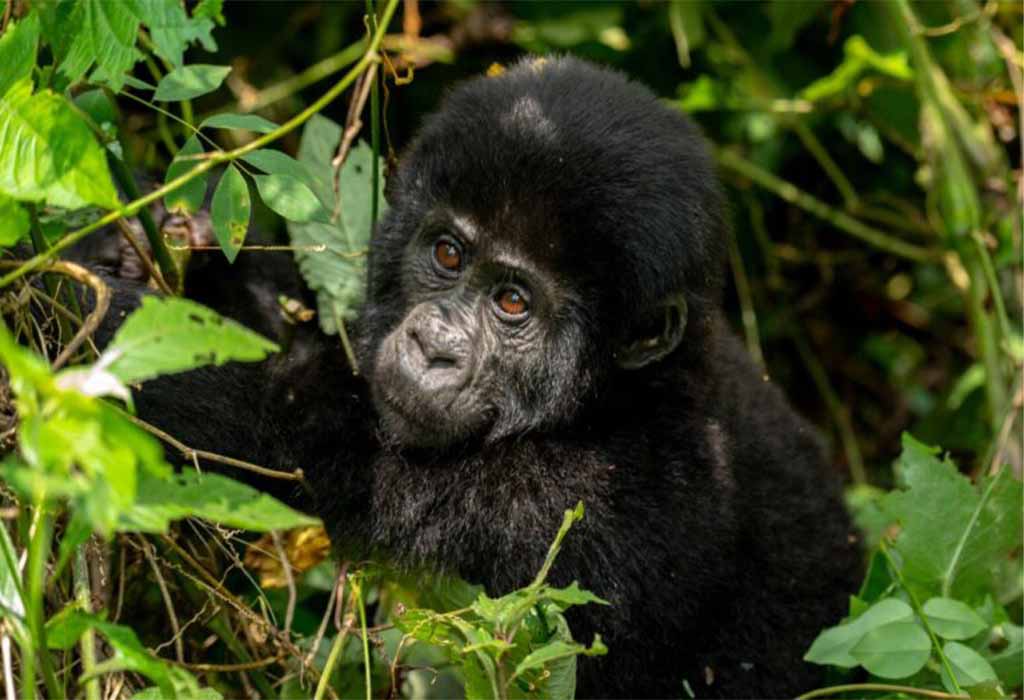
Gorilla trekking in Uganda and Rwanda is one of Africa’s most rewarding wildlife experiences. However, many travelers often wonder whether rain affects the trek and overall experience. Since gorillas live in tropical rainforest ecosystems, rain is part of daily life in these parks. Understanding how rainfall influences trekking conditions helps you prepare better and enjoy the adventure fully.
Gorilla Trekking in Uganda
Uganda is home to two national parks where mountain gorilla trekking takes place: Mgahinga Gorilla National Park and Bwindi Impenetrable National Park.
Mgahinga Gorilla National Park
Gorilla trekking in Uganda’s smallest national park began in 1994, following two years of habituation of the Nyakagezi Gorilla Family. Since then, trekking has steadily grown, offering visitors an intimate and less crowded gorilla experience. Today, tourists can enjoy encounters with over 20 habituated gorillas in this park while on a well-planned itinerary with Experiya Tour Company.
Bwindi Impenetrable National Park
Bwindi gained national park status in 1991, and after two years of habituating the Mubare Gorilla Family, gorilla trekking officially started in 1993. As demand increased over time, additional trekking sectors were developed to spread visitor impact and improve conservation. These sectors include Buhoma, Ruhija, Rushaga, and Nkuringo.
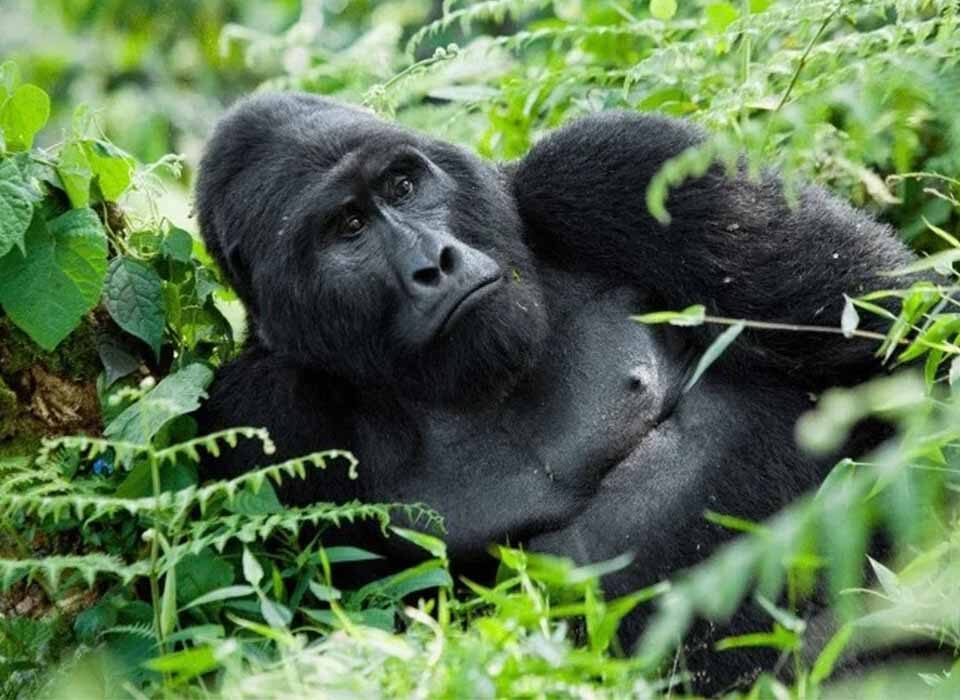
Remarkably, Bwindi Impenetrable National Park is home to almost half of the world’s remaining mountain gorilla population, making it one of the most important conservation areas on the planet.
The southern region of Bwindi is especially notable for the prestigious Nkuringo Sector. Nkuringo was the first gorilla group to be habituated in this region in 1997. The group consists of 11 members and is known for its fascinating social history. Nearby, the Bushaho Gorilla Family, with 8 members, also offers memorable trekking experiences.
Gorilla Trekking in Rwanda
In Rwanda, mountain gorillas are found exclusively in Volcanoes National Park, located in the northwestern part of the country along the Virunga mountain range, bordering the Democratic Republic of Congo.
The park was first gazetted in 1925, making it one of Africa’s oldest protected areas. Later, in 1929, the Belgian colonial government extended its boundaries to enhance conservation efforts.
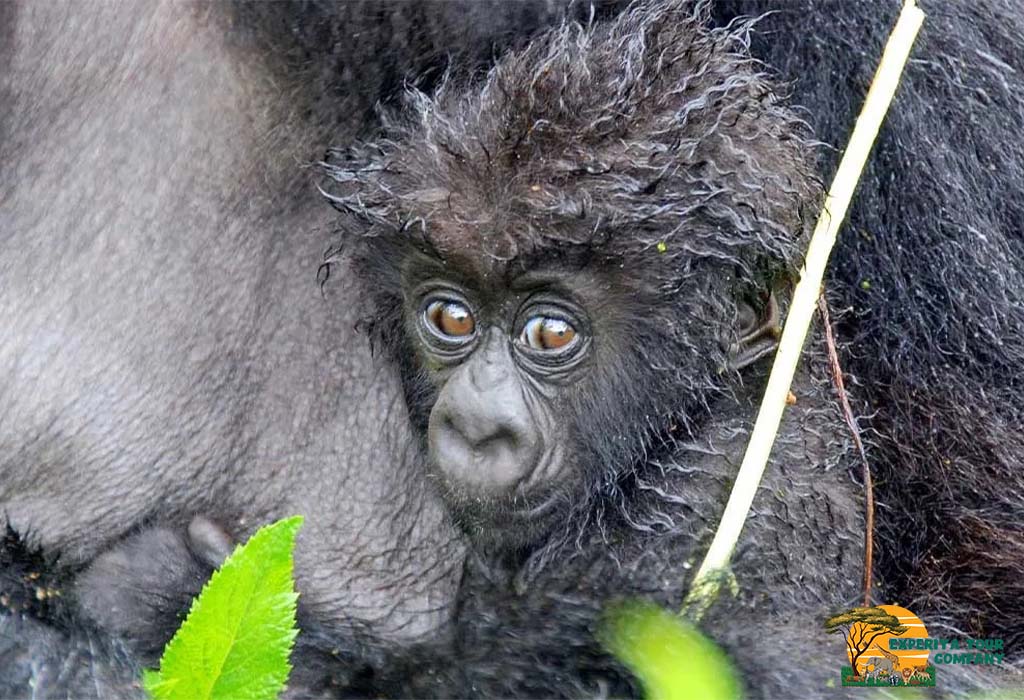
During the tragic years of the Rwandan genocide, gorilla trekking activities came to a standstill as the park became a conflict zone. Fortunately, strong conservation initiatives after the conflict revived gorilla tourism, and Rwanda is now one of the safest and most efficient destinations for gorilla trekking in Africa.
Gorilla Trekking Procedures
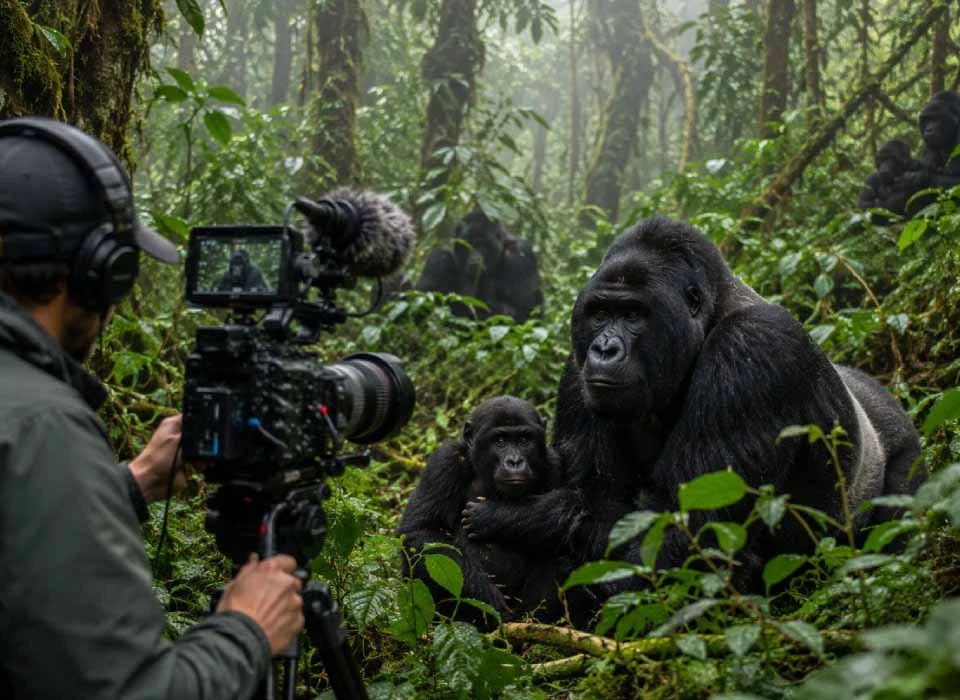
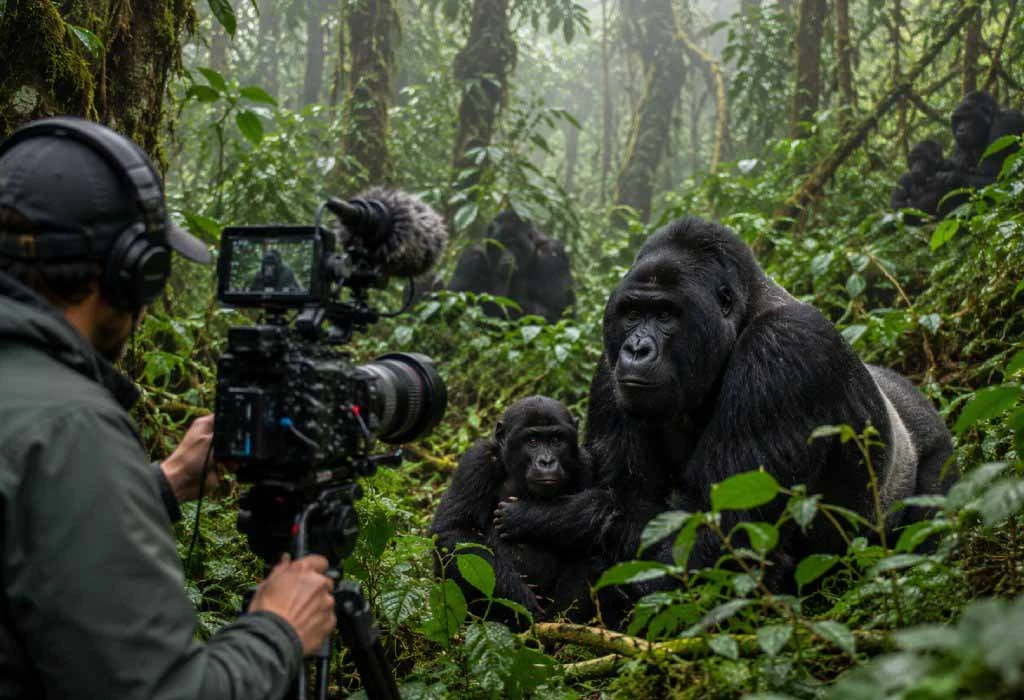
On the trekking day, visitors begin early in the morning by assembling at the park headquarters. Here, ranger guides conduct a detailed briefing covering trekking rules, safety guidelines, and gorilla conservation ethics.
After the briefing, tourists are divided into small groups of a maximum of eight people. Each group is assigned a specific gorilla family and an experienced ranger guide before heading into the forest. This controlled approach minimizes disturbance to the gorillas while ensuring a high-quality visitor experience.
Effects of Rain During Gorilla Trekking
So, what happens when it rains during gorilla trekking?
First, rainfall makes the trek more physically demanding. Forest trails become muddy and slippery, requiring extra caution while walking on steep slopes. For this reason, sturdy hiking boots and walking sticks are essential, especially during the rainy season.
Despite these challenges, rain rarely affects the gorillas themselves. Mountain gorillas are well adapted to wet conditions and often continue their daily routines regardless of rainfall. However, during heavy rain, gorillas may seek shelter under dense vegetation or large trees. As a result, visibility can sometimes be reduced, making sightings slightly more challenging.
When rain occurs during a trek, your ranger guide adjusts the pace and route according to conditions, always prioritizing safety. Guides are highly trained and know how to track gorillas even in wet weather.
In contrast, during the dry season, trails are generally firmer, less muddy, and easier to navigate. This makes trekking less strenuous and more comfortable, particularly for travelers who prefer easier hiking conditions.
Final Thoughts
In summary, rain does affect the difficulty of gorilla trekking in Uganda and Rwanda, but it does not cancel the experience or reduce the chances of seeing gorillas. With proper preparation, suitable gear, and guidance from experienced operators like Experiya Tour Company, trekking during the rainy season can still be incredibly rewarding. In fact, the lush green forests and fewer crowds often add to the magic of the encounter.
Whether you trek in sunshine or rain, meeting mountain gorillas in their natural habitat remains a once-in-a-lifetime experience.