Best Safari Experiences for Families in Uganda and Rwanda
December 15, 2025
Solo Travel in Uganda and Rwanda
December 15, 2025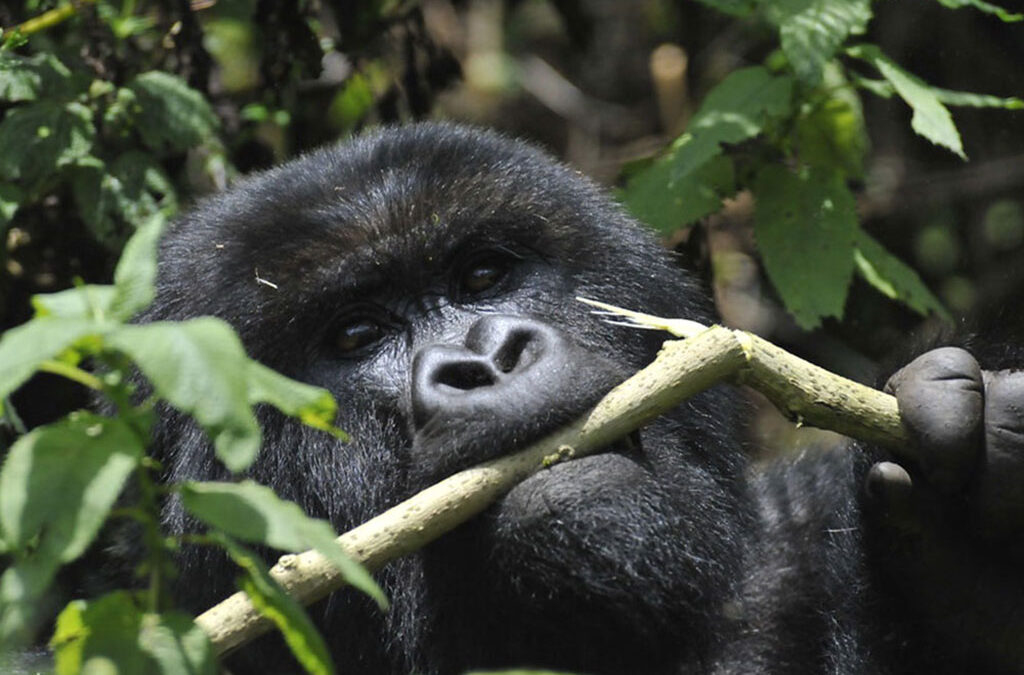
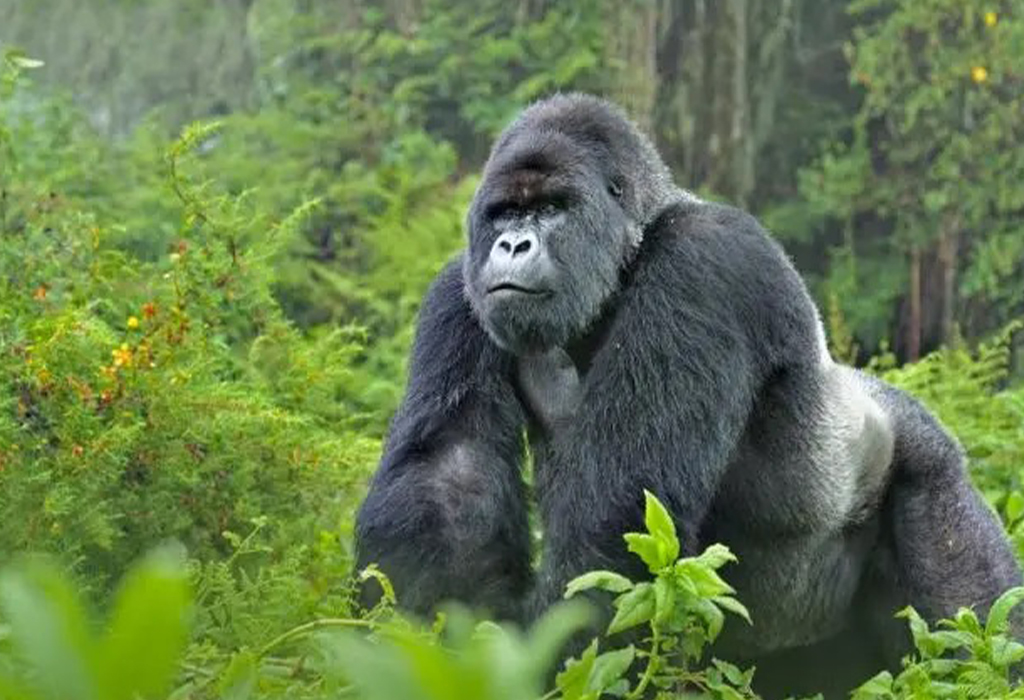
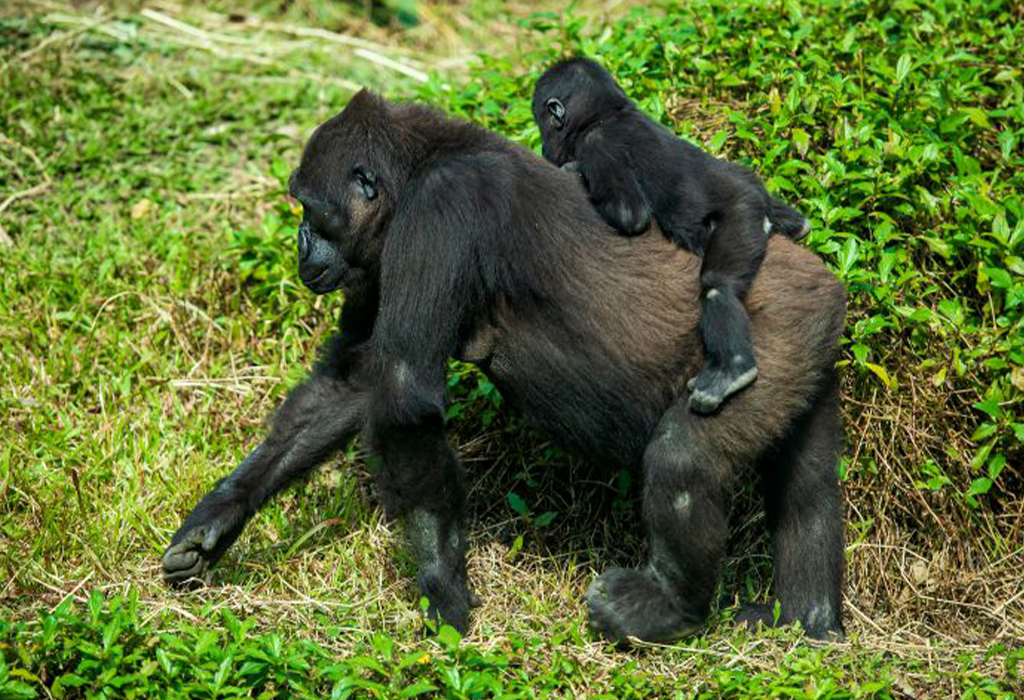
Gorilla trekking is one of the most unforgettable wildlife experiences in Africa, but it is also one of the most expensive safari activities. Many travelers planning a trip to Uganda or Rwanda ask one important question: how much does gorilla trekking add to the total safari cost? Understanding this helps travelers plan better, set realistic budgets, and choose the right tour company. This guide explains the real costs involved in a clear and simple way.
Gorilla Trekking Permit Costs Explained
The biggest cost added by gorilla trekking is the permit. A gorilla trekking permit allows one person to spend time with a gorilla family under the supervision of park rangers. In Uganda, a gorilla trekking permit costs significantly less than in Rwanda, making Uganda a popular choice for budget and mid-range travelers. Rwanda’s permits are more expensive, but they come with excellent infrastructure and easier access to gorilla trekking areas.
Permit prices are set by wildlife authorities and are the same whether booked directly or through a tour company. Because permits are limited, they often sell out months in advance, especially during peak seasons.
How Permit Costs Affect Overall Safari Prices
When a safari includes gorilla trekking, the permit alone can make up a large part of the total trip cost. For example, a safari without gorilla trekking may focus on game drives, boat cruises, and cultural experiences, which are generally more affordable. Once gorilla trekking is added, the total cost increases immediately because of the permit fee.
This means that even a short safari with gorilla trekking can cost more than a longer safari without it. Travelers should understand that this higher price reflects conservation efforts and the protection of endangered mountain gorillas.
Accommodation Costs Near Gorilla Parks
Accommodation near gorilla trekking parks also affects safari costs. Gorilla trekking usually takes place in remote forest areas such as Bwindi Impenetrable National Park in Uganda and Volcanoes National Park in Rwanda. Lodges in these areas range from budget to luxury, and prices vary depending on comfort, location, and season.
Budget lodges help keep safari costs lower, while luxury lodges significantly increase the total price. However, even budget accommodation near gorilla parks may cost more than lodges in savannah parks due to location and logistics.
Transport Costs to Gorilla Trekking Areas
Reaching gorilla trekking destinations adds to safari costs. In Uganda, gorilla parks are far from major cities, requiring long road journeys or domestic flights. Fuel, vehicle hire, driver-guide services, and vehicle maintenance all contribute to the final price.
In Rwanda, gorilla trekking areas are closer to Kigali, reducing travel time and transport costs. However, Rwanda’s higher permit prices often balance out this advantage.
Guide and Ranger Fees
Gorilla trekking is strictly guided by professional park rangers. These rangers ensure visitor safety and protect the gorillas. Their services are included in the permit cost, but tour companies also provide experienced driver-guides who stay with travelers throughout the safari. The quality and experience of guides add value to the trip and influence overall pricing.
Park Fees and Conservation Contributions
In addition to permits, travelers may pay park entry fees when visiting gorilla trekking areas. These fees support conservation, community development, and park management. While they are smaller compared to permit costs, they still contribute to the overall safari budget.
How Gorilla Trekking Changes Safari Itineraries
Adding gorilla trekking usually requires extra days in a safari itinerary. Travelers may need an additional night before and after trekking to rest and prepare. These extra nights increase accommodation and meal costs, making the safari more expensive than a wildlife-only itinerary.
Uganda vs Rwanda: Cost Comparison
Uganda is generally the more affordable destination for gorilla trekking safaris. Lower permit costs and a wide range of accommodation options make it attractive to travelers on different budgets. Rwanda, while more expensive, offers shorter travel times, high-end lodges, and a very organized trekking experience.
Choosing between Uganda and Rwanda depends on budget, travel style, and personal preferences.
Budget, Mid-Range, and Luxury Gorilla Safaris
Gorilla trekking can be done on different budgets. Budget safaris focus on simple lodges and shared transport. Mid-range safaris balance comfort and cost, while luxury safaris include high-end lodges, private vehicles, and premium services. Gorilla trekking increases costs across all categories, but the experience remains equally powerful.
Is Gorilla Trekking Worth the Extra Cost?
Many travelers wonder if gorilla trekking is worth the extra money. Most people who experience it say it is the highlight of their African safari. The close encounter with mountain gorillas, the conservation impact, and the unique nature of the experience make it worth the investment.
How Experiya Tour Company Helps Manage Costs
Experiya Tour Company helps travelers understand costs clearly and choose options that match their budget. By selecting suitable accommodation, planning efficient routes, and securing permits early, the company helps travelers get the best value for their money while enjoying a smooth and memorable safari.
Gorilla trekking adds a significant amount to safari costs, mainly due to permit fees, accommodation near forest parks, transport, and additional itinerary days. However, this cost supports conservation and offers a once-in-a-lifetime experience. With proper planning and guidance from a trusted local operator like Experiya Tour Company, travelers can enjoy gorilla trekking while keeping their safari budget well managed.