What to Expect on a Mgahinga Gorilla Trek
December 12, 2025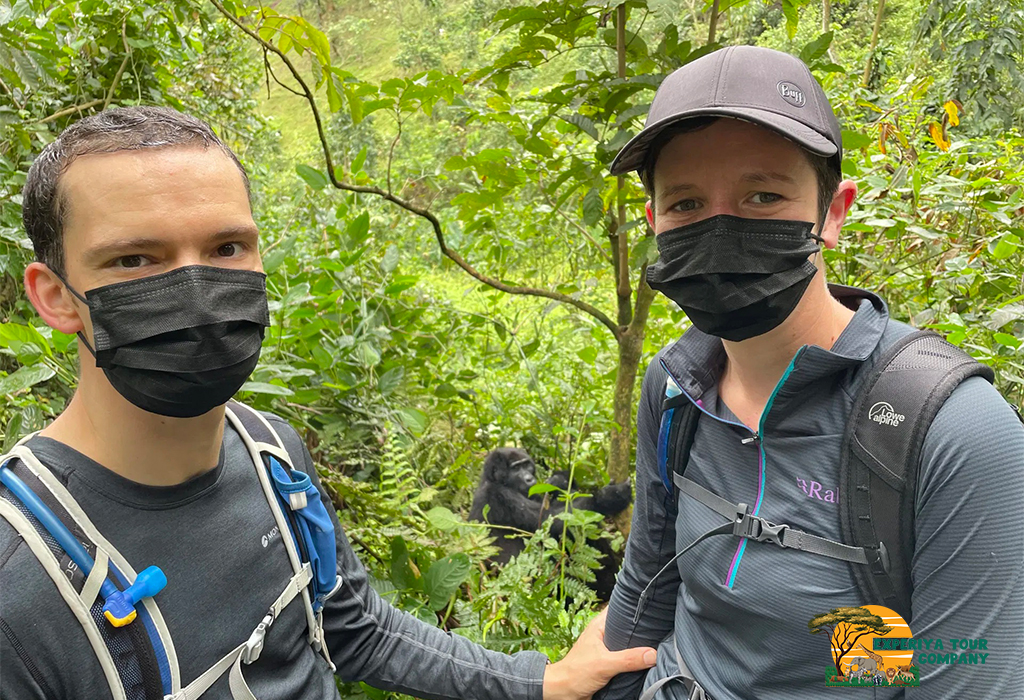
The Role of a Gorilla Trekking Certificate
December 12, 2025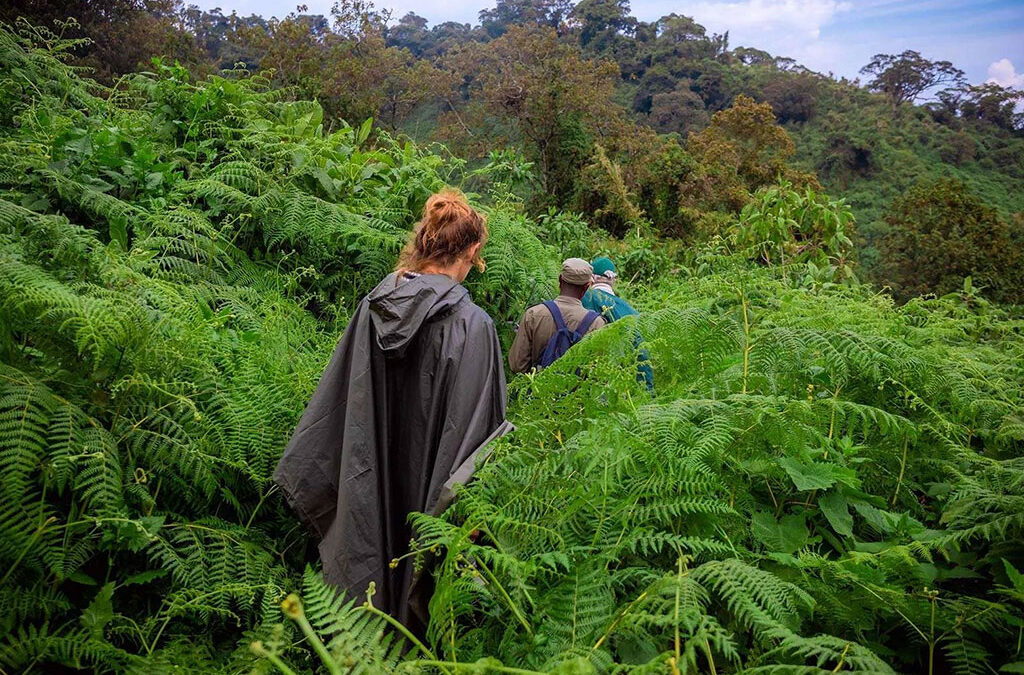
Are you planning a gorilla trek and wondering how long the entire adventure will truly take? Every trek offers a thrilling mix of calm moments, steep climbs, and magical forest sounds guiding your footsteps forward. You move through tall trees, soft moss, and cool mist drifting gently across hidden jungle paths. Rangers lead your group with steady confidence while sharing quiet signs of where the gorillas last moved. Your heart races faster as you step deeper into the forest’s wild and whispering atmosphere. You feel excited because each minute brings you closer to an unforgettable wildlife encounter. The trek becomes a slow journey into raw nature, shaping a full day filled with expectation and wonder.
Understanding How Long a Gorilla Trek Takes
A typical gorilla trek takes between two to six hours of walking through lush tropical forests. Sometimes, the group may find the gorillas within 30 minutes, while in other cases, it can take a full day. Rangers guide trekkers along rugged trails, explaining the movement and behavior of the gorilla families. The actual time depends on the gorillas’ location, the forest conditions, and your fitness level. Rangers always track the previous evening’s nest to estimate the gorillas’ current position. Therefore, some groups begin their encounter earlier, while others must climb deeper into the mountainous jungle before finally meeting the gorillas resting among vines and bamboo.
What Influences Trek Duration?
Gorilla Family Location
Each gorilla family moves differently depending on food availability and safety. Some live close to the park boundaries, while others range deep in the forest’s interior. The closer families give visitors shorter treks lasting one to two hours. In contrast, deeper troop locations often mean long, demanding hikes over steep terrain. Rangers communicate with advance trackers through radios to update the group’s progress before leading tourists in the right direction. This dynamic search adds adventure and surprise, turning each trek into a genuine discovery.
Terrain and Trails
The forest terrain greatly affects how long the trek lasts. Slippery slopes, muddy tracks, and thick vegetation make walking slow but exciting. In Uganda’s Bwindi Impenetrable Forest, dense undergrowth challenges trekkers with twisting trails and wet ground. Rwanda’s Volcanoes National Park, with its volcanic soil and open bamboo zones, offers slightly easier paths yet requires steady footing. The terrain heightens the feeling of adventure, as every climb or descent reveals new forest sights, bird songs, and distant gorilla sounds that inspire you to keep walking.
Fitness Level and Pace
Your fitness level plays a key role in how long you take to reach the gorillas. Trekkers with good endurance often enjoy the hike more comfortably, maintaining a steady rhythm through the forest. However, the pace always depends on the group’s slowest member since everyone stays together. Rangers encourage frequent water breaks, ensuring no one feels rushed or left behind. Walking sticks, porters, and light backpacks help manage the climb easily. Even if the trek feels challenging, the thought of finally seeing gorillas keeps every traveler motivated.
Sector or Park Selected
Each park or tracking sector offers a unique landscape and level of difficulty. In Uganda, Bwindi Impenetrable National Park has four main sectors: Buhoma, Ruhija, Rushaga, and Nkuringo. Buhoma trails are relatively gentle, while Nkuringo’s steep routes demand extra effort. Rwanda’s Volcanoes National Park stands out for its shorter distances but higher altitudes, demanding good breathing control. Mgahinga Gorilla National Park combines steep volcanic slopes with fantastic scenery, making the trek scenic yet energetic. Choosing your park wisely lets you match adventure intensity with your comfort level.
A Typical Gorilla Trekking Day Experience
Your day starts early with a briefing at the park headquarters, usually around 7:00 a.m. Rangers educate you about gorilla behavior, trekking rules, and forest safety. Groups of eight trekkers form before heading to their assigned gorilla families. As you begin your hike, the cool morning air smells fresh with damp earth and forest flowers. Sunlight filters gently through misty trees while forest birds sing in the background. Every step brings excitement as guides point out animal tracks, butterflies, and colorful plants along the trail.
The trekking itself can last between two and six hours, depending on how far the gorillas moved overnight. During this journey, you cross streams, climb ridges, and occasionally pause to listen for calls echoing in the forest. When trackers finally signal that the gorillas are close, everyone whispers, lowering voices to maintain peace and minimize stress for the gorillas. At that moment, all fatigue disappears, replaced by pure emotion and wonder.
The Magical Hour with the Gorillas
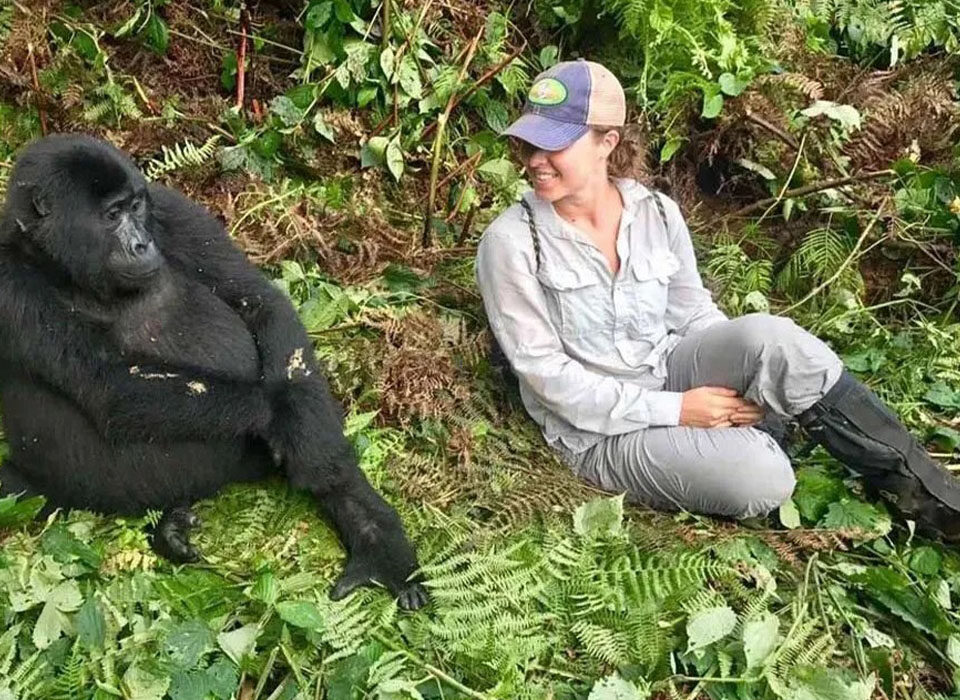
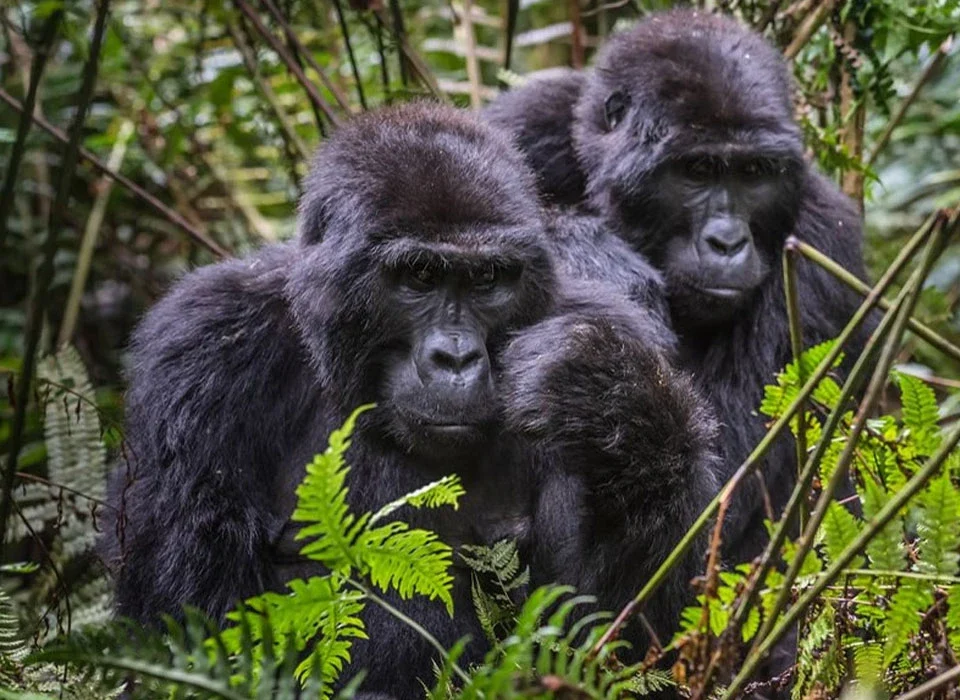
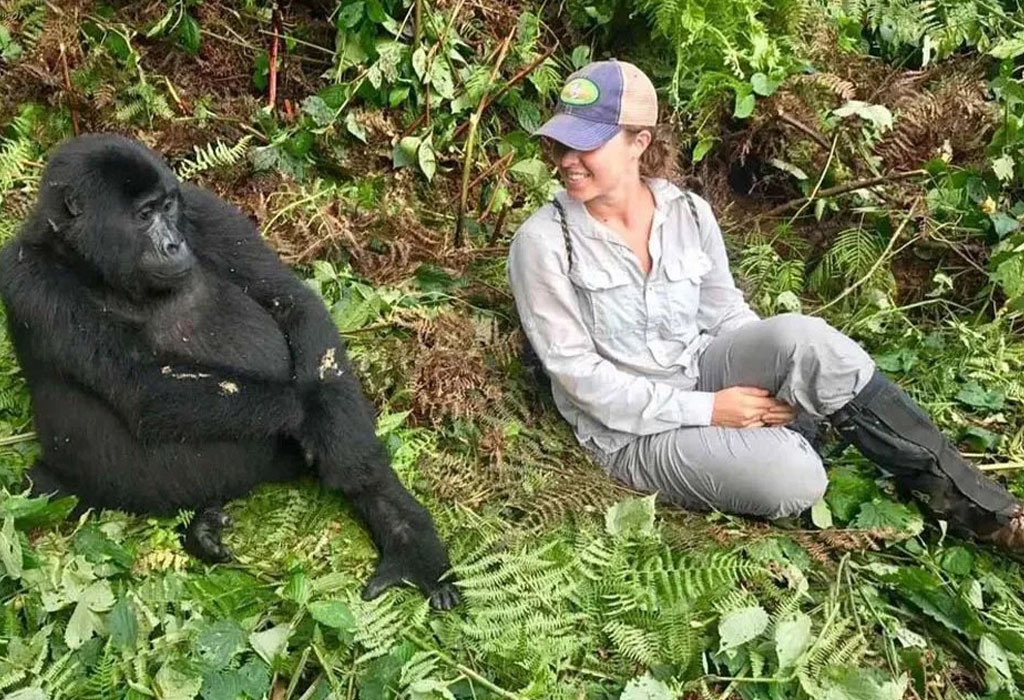
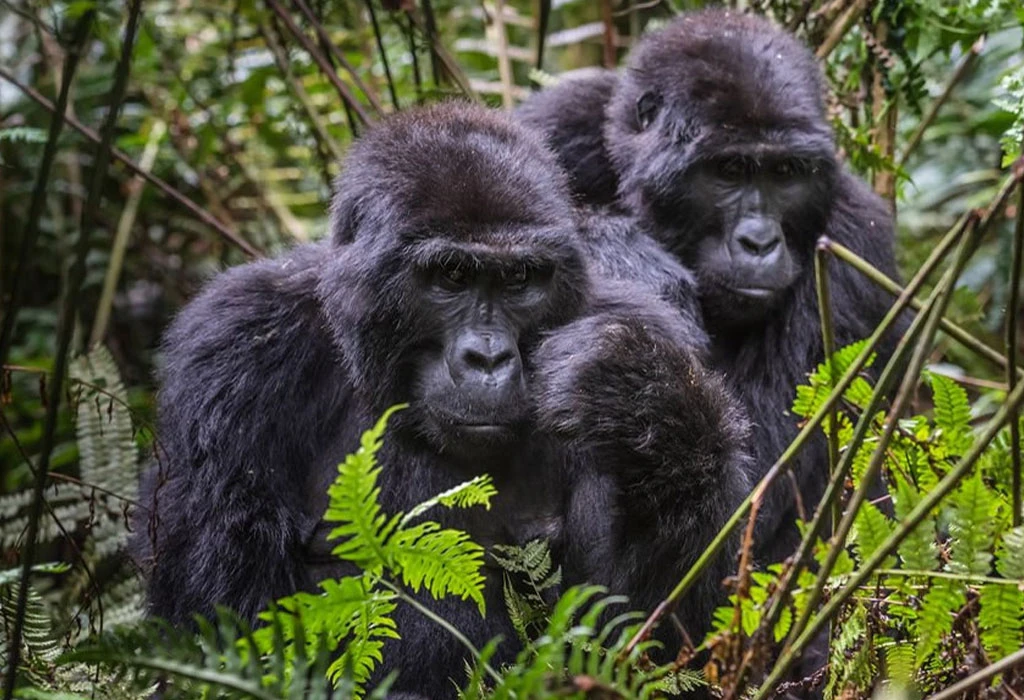
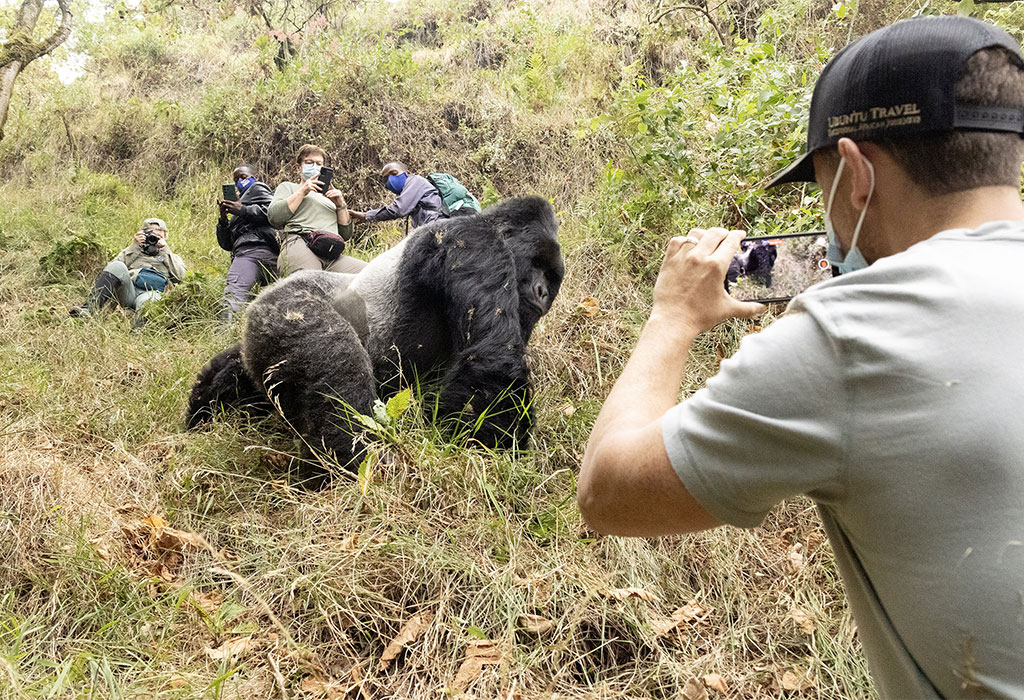
When you finally meet the gorilla family, you spend one precious hour observing them in their natural home. You might see a mother grooming her baby, a playful youngster swinging through vines, or the mighty silverback sitting calmly, watching his group. Cameras click quietly as the forest grows hushed, apart from the soft murmurs of the gorillas. This hour feels timeless — a shared moment between humans and wild creatures who seem almost familiar. Guides keep everyone at a safe 10-meter distance while explaining behaviors, family roles, and communication signals. The experience ends gently, leaving trekkers emotional and deeply connected to nature.
The Return Journey and Ending the Day
After spending your hour with the gorillas, you begin walking back through the forest following the same or a new trail. Descending sometimes feels faster, yet exhaustion blends with happiness and disbelief. Most groups return to the headquarters by mid-afternoon, where certificates of completion await each trekker. You share stories, laughter, and photos with fellow travelers, realizing you’ve experienced something truly rare. The day closes with a rewarding sense of achievement and gratitude for witnessing gorillas thriving in the wild.
The Gorilla Habituation Experience in Uganda
For those seeking a deeper and longer encounter, Uganda offers the unique Gorilla Habituation Experience. This special activity gives visitors up to four hours with a semi-habituated gorilla group still getting used to human presence. It’s available only in selected sectors of Bwindi, providing intimate and educational insight into gorilla life. Researchers and rangers accompany small groups to observe behaviors, feeding habits, and interactions. Though more demanding due to longer treks, the reward is profound — watching a gorilla family learn to trust nearby humans, step by step.