- GET IN TOUCH WITH US:
- +256 753518160
- +256 777842166
- info@experiyatourcompany.com


The Role of UWA in Gorilla Conservation
December 12, 2025
What to Expect on a Mgahinga Gorilla Trek
December 12, 2025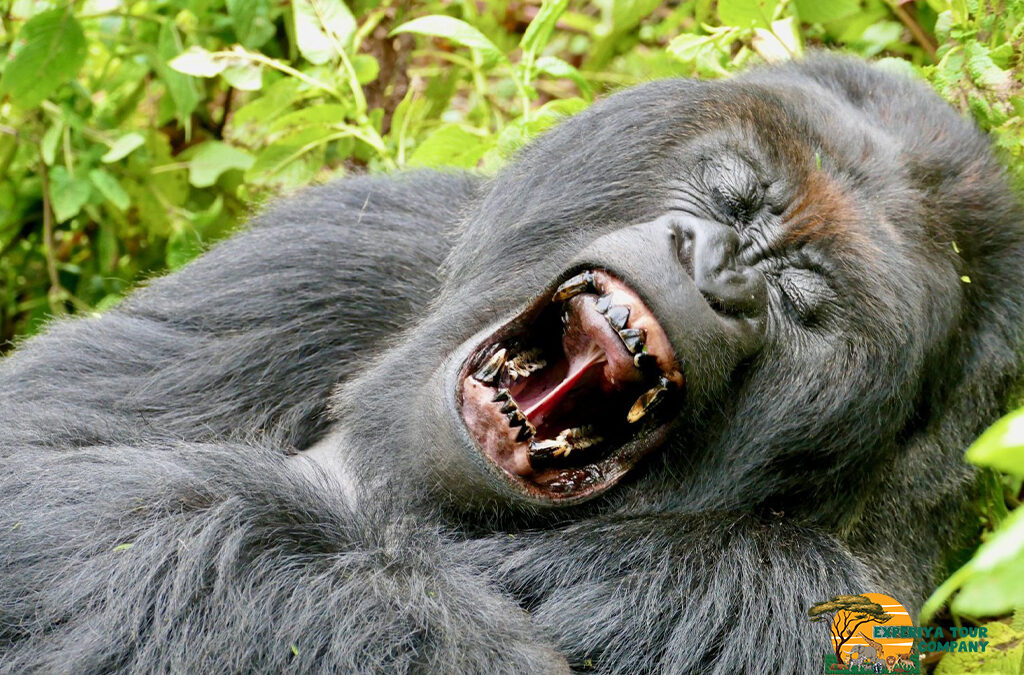
Encountering a gorilla in the wild is one of the most extraordinary wildlife experiences. Gorillas communicate primarily through non-verbal signals, including body language, facial expressions, vocalizations, and gestures. Humans cannot replicate gorilla communication fluently, but by learning to observe and interpret their signals, we can interact safely and respectfully. Experiya Tour Company ensures that travelers understand these behaviors, enhancing both safety and conservation efforts.
How Gorillas Communicate Within Their Groups
Gorillas maintain social bonds, assert dominance, and express emotions through a sophisticated system of non-verbal communication. Body language, posture, and gestures convey a wide range of messages. For instance, a silverback gorilla may beat its chest to display strength and warn rivals or potential threats. When gorillas sit close together or groom one another, they demonstrate social bonding and calmness.
Facial expressions also play a critical role. A relaxed face with closed eyes signals contentment, while a tense mouth or wide-open eyes can indicate fear or agitation. Dominant males often stand tall, while submissive individuals crouch or avoid eye contact. By understanding these signals, humans can better interpret gorilla moods and intentions during trekking.
The Role of Vocalizations in Gorilla Communication
Gorillas produce a variety of vocalizations, each serving different purposes. Grunts help maintain contact within the group, especially in dense forests. Hoots and roars alert others to potential dangers, while screams or barks usually indicate distress or aggression. Scientists have identified over 20 distinct gorilla sounds, each linked to specific behaviors. Soft grunts typically accompany feeding, signaling contentment, while loud roars serve as warnings to rivals or predators. While humans cannot mimic these sounds effectively, listening carefully allows guides and trekkers to understand gorilla behavior in real time.
How Gorillas Use Gestures
Gestures provide gorillas with visual cues to express intentions or emotions. Chest beating is the most iconic gesture, signaling dominance and warning others to stay away. Gorillas also shake branches or slap the ground when threatened. Friendly gestures include arm extensions inviting play or grooming, gentle touches, and mutual grooming sessions, which strengthen social bonds and reduce tension.
When humans witness these gestures, maintaining distance and avoiding sudden movements ensures the gorillas remain calm and unprovoked.
How Humans Can Communicate with Gorillas
Although humans cannot speak gorilla language, we can communicate by respecting gorilla signals and following established protocols. During gorilla trekking, Experiya Tour Company guides instruct visitors to move quietly, avoid direct eye contact, and refrain from sudden movements. Maintaining calm and gentle body language reassures gorillas and reduces stress or defensive behavior. Visitors should stay at least seven meters away and avoid any physical contact. By observing and responding appropriately to gorilla signals, humans demonstrate that they pose no threat.
Why Understanding Gorilla Communication Matters
Understanding gorilla communication enhances safety for both humans and gorillas. Gorillas view unfamiliar humans as potential threats, and misinterpreted signals can lead to aggression. Trekking guides rely on knowledge of body language and vocalizations to assess group mood and decide when it is safe to approach. Respecting these cues minimizes disturbance, protects gorilla health, and preserves natural behavior. By appreciating gorilla signals, trekkers support ethical wildlife tourism and ongoing conservation efforts.
Can Humans Mimic Gorilla Communication?
Humans cannot fully learn or replicate gorilla communication due to differences in vocal anatomy and cognitive processing. Researchers study gorilla gestures and vocal patterns extensively, but gorillas do not understand human speech, and attempts to mimic their sounds or gestures may confuse or stress the animals. Experts advise visitors to observe silently and avoid imitating gorilla behavior.
How Researchers Interact with Gorillas
Researchers spend years habituating gorilla groups to human presence, gradually building trust through calm, non-threatening behavior. They communicate non-verbally by interpreting subtle gestures and vocalizations to study social structure, health, and behavior. Researchers avoid loud noises, direct eye contact, or sudden movements, and sometimes use food to reinforce habituation under strict ethical guidelines.
These practices allow scientists to study gorillas safely without disrupting their natural behavior.
Key Guidelines for Communicating with Gorillas
Visitors should always maintain a safe distance, move slowly, and follow guide instructions carefully. Speaking softly or remaining silent helps maintain calm, and observing gorilla body language ensures respectful interaction. Direct eye contact, physical contact, imitation of gorilla gestures, loud noises, and flash photography should be avoided. By adhering to these guidelines, trekkers protect themselves while preserving gorilla well-being.
How Respectful Communication Supports Conservation
Respecting gorilla communication strengthens conservation efforts by reducing stress and human-wildlife conflict. Calm interactions protect gorilla health and reproductive success. Educated tourists become ambassadors for conservation, raising awareness about gorilla behavior, habitats, and threats like poaching and disease. These efforts support anti-poaching patrols, habitat protection, and community programs, all vital for gorilla survival.
Conclusion
Communicating with gorillas requires attention to body language, gestures, and vocalizations rather than spoken language. By observing signals, maintaining calm behavior, and following strict trekking protocols, humans can interact safely and respectfully. Understanding gorilla communication enhances the trekking experience, protects these incredible animals, and supports long-term conservation. Experiya Tour Company ensures that every gorilla encounter remains safe, ethical, and unforgettable.
