

Visiting Local Markets in Kigali, Kampala, and Nairobi
December 12, 2025
The Role of UWA in Gorilla Conservation
December 12, 2025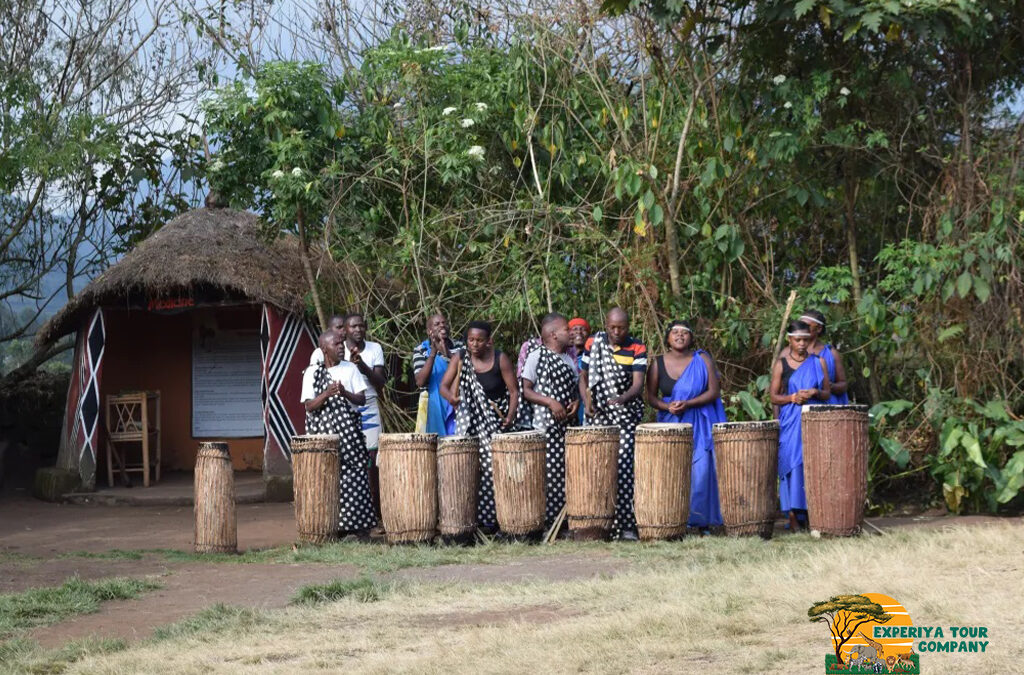
How to Experience a Rwandan Village Homestay
Rwanda, often called the “Land of a Thousand Hills,” captivates travelers with its rolling landscapes, rich wildlife, and vibrant cultural traditions. Beyond the national parks and bustling cities, one of the most authentic ways to immerse yourself in Rwanda is by staying in a village homestay. By living with a local family, you can experience daily life firsthand, learn traditional practices, and form meaningful connections with Rwandan communities. Experiya Tour Company makes it easy to explore these unforgettable cultural experiences.
What Is a Rwandan Village Homestay?
A Rwandan village homestay offers an immersive cultural experience where you live with a local family in a rural community. Unlike hotels or lodges, a homestay lets you actively participate in everyday life. You might help with farming, join family meals, or learn crafts directly from your hosts. Accommodation is simple yet comfortable, and sharing conversations and daily routines gives you a genuine understanding of Rwanda’s rural lifestyle.
Where Can You Experience a Village Homestay in Rwanda?
Rwanda features several regions known for their organized village homestays, each highlighting different aspects of culture:
In Musanze District, near Volcanoes National Park, travelers can combine gorilla trekking with cultural immersion. Villages here welcome guests to participate in activities like basket weaving and farming.
Huye (Butare) District, Rwanda’s cultural capital, connects visitors to local museums, traditional music, and community farming practices.
The Lake Kivu Region, including Gisenyi, Kibuye, and Cyangugu, offers homestays with stunning lake views and opportunities to experience fishing alongside local families.
In the Eastern Province, communities near Akagera National Park focus on traditional cattle herding and authentic village life.
No matter the region, each homestay provides a chance to connect directly with Rwandan families and their unique traditions.
What Activities Can You Enjoy?
During a village homestay, Experiya Tour Company ensures that travelers engage in hands-on activities that reflect daily life. You might join families in planting or harvesting crops, learn to prepare traditional dishes such as ugali or isombe, or help with milking cows in cattle-keeping communities. Local women often guide guests through basket weaving, pottery, or beadwork, while cultural performances allow visitors to experience Rwanda’s renowned Intore dance. You may even attend community events, church gatherings, or storytelling evenings around the fire, providing a rich insight into the heart of village life.
How Much Does a Village Homestay Cost?
Homestay costs vary depending on the region and the level of organization. Basic stays typically range from $20 to $40 per night, including meals and accommodation. Community-based programs cost between $50 and $100 per night and often include guided activities, performances, and village tours. Premium cultural experiences, usually arranged through tour operators, start at $100 per night and may include transport and additional services. These fees usually go directly to the families and community projects, supporting sustainable tourism initiatives.
What to Expect During Your Stay
Visitors should expect a simple, authentic experience. Accommodations are clean but basic, and meals feature locally grown ingredients, often vegetarian-heavy with beans, maize, and fresh vegetables. Interactions with your hosts form the heart of the experience, and while English or French may be limited, translators or guides help bridge any language gaps. You’ll rise early, participate in daily routines, and experience the warmth and generosity of Rwandan families who often treat guests like part of their household.
How to Book a Homestay in Rwanda
Booking a homestay is straightforward. Experiya Tour Company works with community tourism cooperatives, local travel agencies, and hotels that arrange stays with nearby families. Some online platforms also list sustainable tourism experiences. It’s best to book in advance, especially during peak travel months, to secure availability.
Daily Life in a Rwandan Village
Life in Rwandan villages centers around farming, family, and community. Families wake early to tend crops or livestock, children attend school, and adults balance farming with small-scale trading or crafts. Community gatherings, church services, and cooperative projects play a central role, creating a sense of unity and resilience. Participating in these routines provides a profound understanding of Rwanda’s rural way of life.
Safety and Language
Rwandan villages are safe for travelers. The country has low crime rates, strong community values, and welcoming hosts who prioritize guest comfort. Most homestays are organized through community tourism groups, ensuring reliability. The primary language spoken is Kinyarwanda, though French and English are also used in tourist areas. Learning a few basic Kinyarwanda greetings can enhance your experience and foster goodwill with hosts.
What to Pack for a Homestay
When preparing for a homestay, prioritize comfort and practicality. Bring lightweight, modest clothing, comfortable walking shoes, a reusable water bottle, insect repellent, personal toiletries, and basic medical supplies. A small gift for the host family, such as school supplies, is always appreciated. Being well-prepared ensures both comfort and cultural respect during your stay.
How Homestays Support Local Communities
Village homestays benefit local communities directly by creating income opportunities and preserving cultural traditions. Guest fees typically support the host family and broader village projects like schools, cooperatives, or infrastructure improvements. Many homestays empower women through craft-making and household-led businesses. By participating, travelers contribute to sustainable tourism that strengthens Rwanda’s rural economy.
Food and Cultural Traditions
Meals at a homestay showcase fresh, locally grown ingredients. Staples include ugali, potatoes, cassava leaves with peanut sauce, beans, bananas, and seasonal fruits. Cooking alongside your hosts provides a rich cultural exchange. You’ll also discover Rwanda’s living traditions, from basket weaving to storytelling, traditional dance, and the cultural significance of cattle in certain communities. These experiences create memories that last long after your trip ends.
Suitable for Families and Solo Travelers
Rwandan homestays welcome both families and solo travelers. Families enjoy interactive activities, while solo travelers often find a sense of belonging and safety. Villages adapt activities for children, ensuring an enriching experience for guests of all ages.
Best Time to Visit
The ideal months for a village homestay are during Rwanda’s dry seasons, from June to September and December to February. These months offer pleasant weather, making it easier to engage in farming, outdoor activities, and village walks. While homestays operate year-round, planning around the dry season ensures comfort and accessibility.
Final Thoughts
A Rwandan village homestay is one of the most enriching ways to experience East Africa. Living with a host family offers insight into daily life, traditions, and values that define rural Rwanda. From farming and cooking to dance and storytelling, these immersive experiences create lasting memories. More importantly, homestays support sustainable tourism, empowering families and preserving cultural heritage. With Experiya Tour Company, travelers seeking authenticity can connect deeply with Rwanda beyond its landscapes and wildlife.
