
Private Flying Safaris in Kenya: Luxury and Adventure from the Sky
December 11, 2025
Why Rwanda is Africa’s Ecotourism Leader
December 11, 2025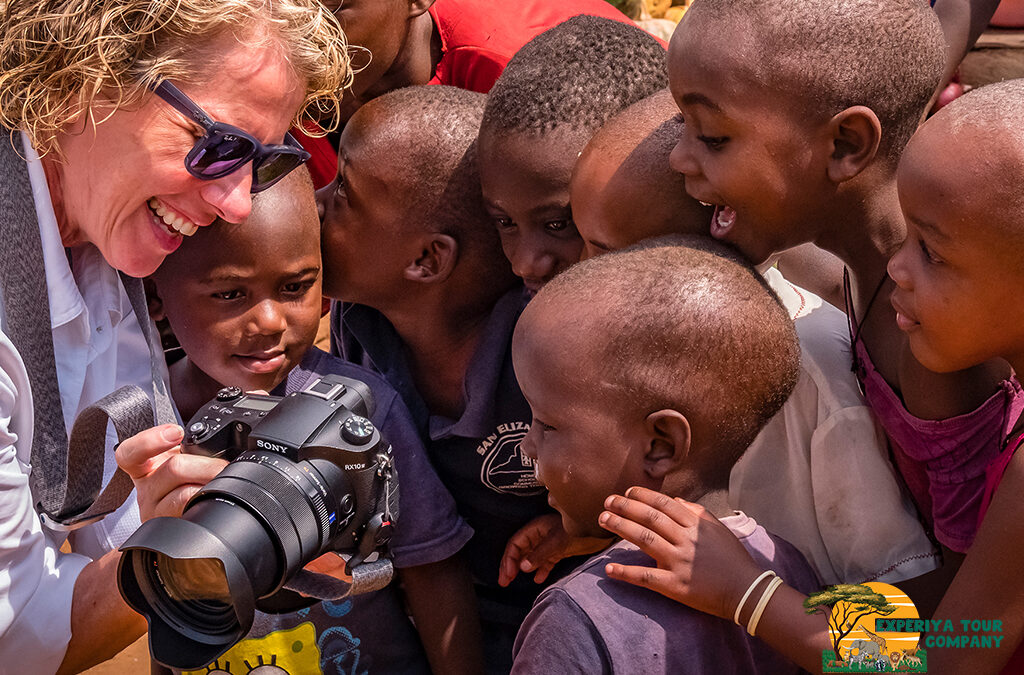
When most people imagine a safari, visions of lions on the savannah, elephants at watering holes, or gorillas in misty forests often come to mind. However, behind every memorable safari experience are local communities whose lives are deeply connected to wildlife and conservation. Safaris can play a pivotal role in supporting these communities through employment, education, cultural exchange, and economic growth.
Across Africa, many safari operators, including Experiya Tour Company, are adopting community-based tourism models to ensure that local people benefit directly from tourism. As a traveler, your choices can significantly impact livelihoods, reduce poverty, and promote conservation.
How Your Safari Can Benefit Local Communities
Your safari can positively influence local communities in multiple ways. By choosing community-owned lodges, hiring local guides, and participating in cultural tours, you ensure that tourism revenue reaches the people living near wildlife areas. Additionally, safari companies like Experiya Tour Company often invest a portion of their profits in schools, healthcare, and infrastructure, which improves living standards in rural regions.
When communities directly benefit from tourism, they become more motivated to protect wildlife and their habitats. Revenue-sharing programs around national parks in East Africa, for example, give locals a financial stake in conservation. Therefore, your safari dollars not only create unforgettable experiences but also help secure a better future for local families.
Understanding Community-Based Tourism in Africa
Community-based tourism projects are initiatives where local people manage or co-manage tourism enterprises. These can include community-owned lodges, guided tours, cultural centers, and craft cooperatives. In Kenya’s Maasai Mara, for instance, community conservancies provide exceptional wildlife viewing experiences while directing revenue to Maasai households. Similarly, in Uganda, eco lodges near Bwindi Impenetrable Forest are community-run, with tourism income supporting schools and healthcare projects.
Such initiatives empower locals to take ownership of tourism, ensuring that profits are reinvested in their villages instead of leaving the area. Community-based tourism also provides travelers with a more authentic safari experience, offering opportunities to engage directly with local traditions and daily life.
How Eco Lodges Support Local Communities
Eco lodges are designed to minimize environmental impact while maximizing community benefits. Many use locally sourced materials and employ local staff for operations ranging from housekeeping to guiding. Profits are frequently reinvested in community development projects, including clean water systems, health clinics, and schools.
For example, Experiya Tour Company partners with community-run lodges that channel revenue back into surrounding villages. By staying at an eco lodge, you directly support jobs and sustainable livelihoods, ensuring that tourism contributes meaningfully to local economies.
The Importance of Hiring Local Guides
Hiring local guides not only enhances your safari experience but also supports the communities you visit. Local guides offer unique cultural insights, storytelling traditions, and deep knowledge of the land. They provide firsthand information about wildlife behavior, conservation challenges, and local customs that you would not encounter elsewhere.
Economically, employing local guides ensures that income remains within the community. These roles create sustainable career paths for young people, reduce unemployment, and foster community engagement in conservation efforts.
Supporting Communities Through Cultural Tours
Cultural tours represent one of the most direct ways to support local communities during a safari. Activities such as village walks, traditional dance performances, cooking classes, and storytelling sessions provide income to local families while helping preserve cultural traditions for future generations.
Visiting a Maasai village in Kenya or a Batwa community near Bwindi in Uganda allows travelers to experience local heritage while contributing financially to these communities. The fees you pay for cultural tours often fund community projects, ensuring that your safari leaves a lasting positive impact.
Buying Crafts to Empower Local Families
Purchasing crafts during your safari provides crucial income for local artisans, particularly women. Handmade baskets, jewelry, carvings, and textiles help families diversify their income beyond farming and reduce reliance on practices that may harm wildlife.
For instance, in Rwanda, the Azizi Life cooperative empowers rural women through basket weaving, while in Kenya, Maasai women generate income through beadwork. By buying directly from artisans or lodge shops sourcing locally, you guarantee fair compensation and help preserve traditional skills.
Conservation Fees and Community Benefits
Conservation fees and park entrance charges are vital for funding both wildlife protection and community development. In many African countries, a portion of park fees is shared with nearby villages to support schools, health centers, and clean water projects.
For example, a percentage of gorilla trekking permit fees in Uganda is returned to communities surrounding Bwindi and Mgahinga. This system incentivizes locals to protect gorillas and reduces poaching. When travelers pay these fees, they directly contribute to both conservation and human development.
Safaris That Include Village Visits
Many safari itineraries, including those offered by Experiya Tour Company, include optional or scheduled village visits. Travelers can observe daily life, learn about farming practices, and interact with local families. Visits may also include schools, health centers, or women’s cooperatives supported by tourism.
Village visits generate income for communities and provide locals a platform to share their culture. At the same time, they give travelers a deeper understanding of the intricate relationship between people and wildlife in Africa.
Employment Opportunities Through Safaris
Safaris are major sources of employment across Africa. Jobs range from lodge staff and guides to drivers, cooks, and maintenance workers. Local suppliers also benefit by providing food, materials, and transportation services to safari companies.
Employment reduces poverty and discourages activities that threaten wildlife, such as deforestation or poaching. By creating stable jobs, safaris help communities see wildlife as valuable assets rather than liabilities, making tourism one of the most effective tools for community development.
The Importance of Sustainable Tourism
Sustainable tourism ensures that safari benefits are long-term and inclusive. Without sustainable practices, tourism can harm wildlife, degrade environments, and exclude local communities from its rewards. By prioritizing environmental conservation, cultural respect, and community empowerment, sustainable safaris allow communities to thrive while protecting Africa’s natural heritage.
Choosing safari operators like Experiya Tour Company, committed to sustainability, ensures your travel aligns with conservation and community well-being.
Funding Schools, Health Projects, and Community Initiatives
Many safari operators dedicate a portion of their profits to development projects such as building schools, sponsoring scholarships, funding health clinics, and providing clean water. Lodges near Uganda’s Bwindi Forest or Kenya’s Laikipia region, for instance, sponsor education programs and support medical centers. By selecting safari companies with a strong focus on community initiatives, you directly contribute to social development.
Community Benefits from Gorilla Trekking Safaris
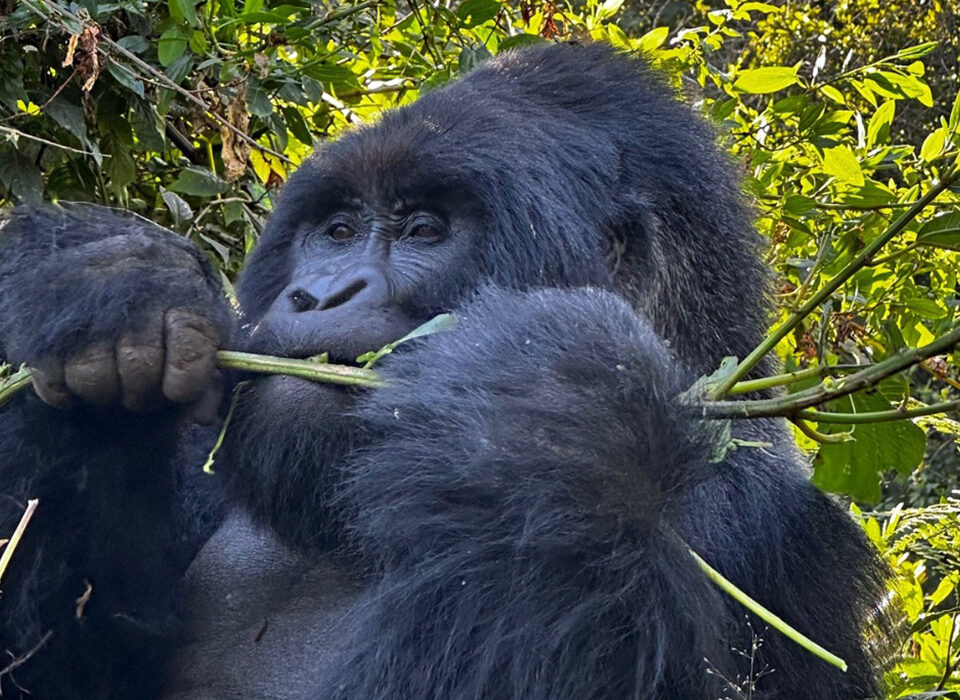
Gorilla trekking in Rwanda, Uganda, and the Democratic Republic of Congo provides substantial benefits to local communities. A portion of each gorilla permit fee is distributed to nearby villages, supporting infrastructure, clean water programs, and education.
Additionally, locals are employed as porters, guides, and lodge staff, ensuring that the benefits of tourism remain within the community. Community involvement has dramatically reduced poaching, as locals now view gorillas as valuable assets rather than threats.
These lodges demonstrate how community ownership can create sustainable livelihoods while offering travelers meaningful experiences.
Volunteering Opportunities During Safaris
Some safari itineraries include volunteer opportunities with local communities. Travelers may assist in schools, participate in conservation research, or contribute to reforestation projects. Ethical volunteering allows visitors to make a tangible impact while gaining deeper cultural understanding.
It is important to select volunteer programs that meet genuine community needs and avoid short-term initiatives that could cause harm.
Reducing Pressure on Wildlife Through Tourism
Safari tourism provides alternative income sources, reducing reliance on activities that harm wildlife, such as poaching, logging, or unsustainable farming. When communities earn revenue from tourism, they gain strong financial incentives to protect forests, savannahs, and wildlife populations.
For example, Kenya’s community conservancies pay landowners to dedicate land for wildlife, preventing overgrazing and land conversion. By turning wildlife into a sustainable economic asset, safari tourism fosters both conservation and community prosperity.
Conclusion
Safaris offer more than breathtaking wildlife encounters—they are powerful tools for community development. By staying at eco lodges, hiring local guides, buying crafts, participating in cultural tours, and paying conservation fees, travelers actively support rural communities. Community-based tourism ensures locals benefit from conservation efforts and recognize the value of protecting wildlife. With companies like Experiya Tour Company, your safari can leave a lasting positive impact on both people and nature.