Threats to the Mountain Gorilla Population
December 11, 2025
Private Flying Safaris in Kenya: Luxury and Adventure from the Sky
December 11, 2025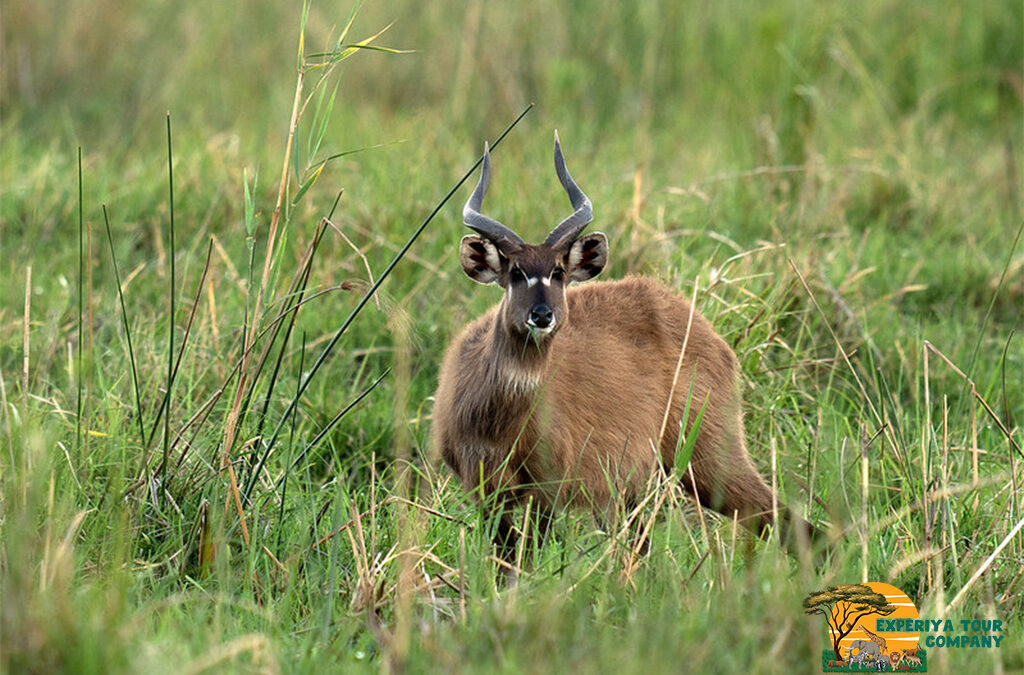
Katonga Wildlife Reserve is one of Uganda’s best-kept safari secrets—quiet, ecologically rich, and beautifully diverse. Tucked away in western Uganda, this remarkable reserve rewards travelers with intimate wildlife encounters, lush wetland scenery, and unforgettable walking safaris far from the crowds. It protects a vital migratory corridor and shelters several rare species, making it a true gem for nature lovers.
What Is Katonga Wildlife Reserve?
Katonga Wildlife Reserve is a protected area established to conserve the biodiversity along the Katonga River. Covering about 211 square kilometers, it features a mosaic of wetlands, grasslands, woodlands, and riverine forests. Unlike Uganda’s expansive savannah parks, Katonga offers a quieter, more personal safari experience that emphasizes walking safaris, birdwatching, and canoe excursions. Because the reserve forms part of a key wildlife corridor, it plays an important role in protecting species that rely heavily on wetland ecosystems.
Where Is Katonga Wildlife Reserve Located?
The reserve lies in western Uganda, between the districts of Kamwenge and Kyenjojo. It sits roughly 200 kilometres from Kampala, making it accessible in about four to five hours by road. Since it connects easily to western Uganda’s main safari circuit, many travelers pair a visit to Katonga with trips to Kibale, Queen Elizabeth, or Lake Mburo National Park.
A Brief History of Katonga Wildlife Reserve
Katonga was officially gazetted in 1998 under the Uganda Wildlife Authority. For many years, this landscape served as an essential migration pathway for large mammals, especially those moving between Uganda and northern Tanzania. Conservationists recognized the need to preserve its wetlands and floodplains, eventually turning it into a sanctuary for unique species such as the sitatunga antelope. Today, Katonga continues to attract eco-tourists, researchers, and birders seeking untouched wilderness.
Wildlife in Katonga Wildlife Reserve
Although Katonga does not have the high game densities of larger parks, it still supports an impressive variety of wildlife. Visitors often encounter hippos, elephants, bushbucks, waterbucks, reedbucks, and duikers. Small carnivores such as genets and mongooses roam quietly through the woodlands, while Nile monitors and several snake species thrive along the river. Primates including black-and-white colobus monkeys, vervet monkeys, and olive baboons are frequently seen during guided walks.
Unique Animals Found in Katonga
The reserve is best known for the sitatunga antelope, a rare and highly specialized swamp-dweller. With elongated hooves that allow it to balance on floating vegetation, the sitatunga thrives in Katonga’s wetlands. Few places in East Africa offer such reliable sightings of this elusive species. The river also harbours otters, and the wetlands attract rare birds such as the Papyrus gonolek, further elevating the reserve’s ecological value.
Bird Species in Katonga Wildlife Reserve
Birdwatchers will find Katonga especially rewarding. The reserve boasts more than 150 species, including African fish eagles, kingfishers, Papyrus gonoleks, herons, hornbills, turacos, sunbirds, and the occasional shoebill. Because Katonga features wetlands, woodlands, and savannah, it appeals to both beginner birders and experienced ornithologists. Migratory birds also appear during certain seasons, creating even richer sightings.
Habitats and Ecosystems in Katonga
Katonga’s landscapes are surprisingly diverse for its size. They include wetlands and floodplains along the Katonga River, savannah grasslands used by grazing antelopes and elephants, riverine woodland that shelters primates, and acacia-dominated areas ideal for smaller mammals and birds. This mixture of ecosystems makes the reserve an important biodiversity stronghold in western Uganda.
How Big Is Katonga Wildlife Reserve?
The reserve covers 211 square kilometres, smaller than Uganda’s flagship parks. However, its compact size adds to its charm, as travelers can explore it more intimately—often on foot or by canoe—allowing for a deeper connection with nature.
Activities to Enjoy in Katonga Wildlife Reserve
Visitors can enjoy a range of low-impact and immersive experiences. Guided nature walks allow travelers to explore wetlands and grasslands at a relaxed pace. Canoe rides along the Katonga River provide close-up views of hippos, waterbirds, and occasionally the elusive sitatunga. Birdwatching is rewarding across the reserve’s varied habitats, while primate tracking offers encounters with colobus monkeys, vervet monkeys, olive baboons, and red-tailed monkeys. Cultural visits to nearby communities round off the experience with authentic human connections.
Guided Nature Walks
Guided nature walks are among the reserve’s greatest highlights. Uganda Wildlife Authority rangers lead visitors across scenic trails while sharing insights into the flora, fauna, and ecological importance of the area. These walks suit most ages and fitness levels, making them ideal for families and first-time safari travelers.
Boat and Canoe Rides
Canoe rides along the Katonga River offer serene and intimate wildlife viewing. Early morning and late afternoon are particularly magical, as wildlife becomes more active along the riverbanks.
Is Katonga Good for Primate Tracking?
Yes. While the reserve does not host chimpanzees or gorillas, it supports several other primate species. Visitors can encounter black-and-white colobus monkeys, vervet monkeys, olive baboons, and red-tailed monkeys, adding an enjoyable primate-watching element to walking safaris.
Best Time to Visit Katonga Wildlife Reserve
The ideal time to explore Katonga is during the dry seasons from December to February and June to September, when trails are firm and wildlife gathers near water sources. The wet seasons from March to May and October to November transform the reserve into a lush green paradise that is excellent for birdwatching, though some trails may be more challenging to access.
How to Get to Katonga Wildlife Reserve
Most visitors reach Katonga by road from Kampala, following a route through Mityana, Mubende, and Kamwenge. The journey takes about four to five hours. Although the reserve does not have its own airstrip, travelers can fly to nearby towns such as Fort Portal or Kasese and continue by road.
Accommodation Near Katonga Wildlife Reserve
Accommodation options near the reserve are modest. Travelers can stay in simple safari camps, guesthouses in Kamwenge, basic UWA bandas, or designated campsites. Those seeking more comfort often stay in Fort Portal, which offers better-equipped hotels.
Camping in Katonga
Camping is allowed at designated sites within the reserve. UWA provides basic facilities, though visitors are advised to bring their own camping gear. Spending a night in Katonga offers a pure wilderness experience accompanied by the night-time calls of hippos and various nocturnal birds.
Climate of Katonga Wildlife Reserve
Katonga experiences a tropical climate with two rainy seasons from March to May and October to November, and two dry seasons from December to February and June to September. Temperatures typically range between 20°C and 30°C, with cooler evenings.
Conservation Efforts in Katonga
The Uganda Wildlife Authority leads conservation initiatives focused on wetland restoration, sitatunga protection, anti-poaching patrols, wildlife monitoring, and community engagement. Local communities also participate through eco-tourism and education programs that promote sustainable living and natural resource management.
Who Manages the Reserve?
The Uganda Wildlife Authority manages Katonga Wildlife Reserve and oversees tourism, research, ranger operations, and conservation activities.
Threats Facing Katonga Wildlife Reserve
Katonga faces several conservation challenges, including poaching, agricultural encroachment, wetland degradation, and the impacts of climate change. These threats affect the survival of species such as sitatungas and wetland birds, making continued conservation support essential.
How Katonga Differs from Other Ugandan Reserves
Katonga stands out for its peaceful atmosphere and its emphasis on walking safaris and canoe rides rather than vehicle-based game drives. Its wetlands attract unique species not commonly found in savannah parks, offering travelers an off-the-beaten-path adventure that is both refreshing and memorable.
Is Katonga Wildlife Reserve Suitable for Families?
Yes. The reserve’s guided walks, gentle trails, rich birdlife, and relaxed pace make it suitable for families, including children and older travelers. The experience is educational, immersive, and enjoyable.
Cultural Experiences Near the Reserve
Visitors can enjoy meaningful cultural encounters in nearby villages. These may include traditional farming experiences, local crafts, music and dance, storytelling, and home-cooked meals. Such interactions support local livelihoods and offer deeper insights into community traditions.
Entry Fees for Katonga Wildlife Reserve
Entry fees are set by the Uganda Wildlife Authority. International visitors typically pay USD 35 per adult per day, with lower rates available for East African citizens and residents. Additional charges apply for guided activities and camping.
Can You Combine Katonga With Other Safaris?
Yes. Katonga fits seamlessly into western Uganda safari itineraries. Travelers often combine it with chimpanzee trekking in Kibale, game drives in Queen Elizabeth National Park, and wildlife viewing in Lake Mburo National Park. This combination offers a rich blend of wetlands, forests, and savannah landscapes.
Final Thoughts
Katonga Wildlife Reserve may still be lesser-known, but its beauty and biodiversity speak for themselves. From sitatunga sightings to tranquil canoe rides and bird-rich wetlands, the reserve offers an intimate safari experience few places can match. For travelers seeking peace, nature, and authentic adventure, Katonga stands out as a destination truly worth exploring.