

Best Stopovers on Safari in Uganda
December 10, 2025
Why Uganda is the Pearl of Africa
December 10, 2025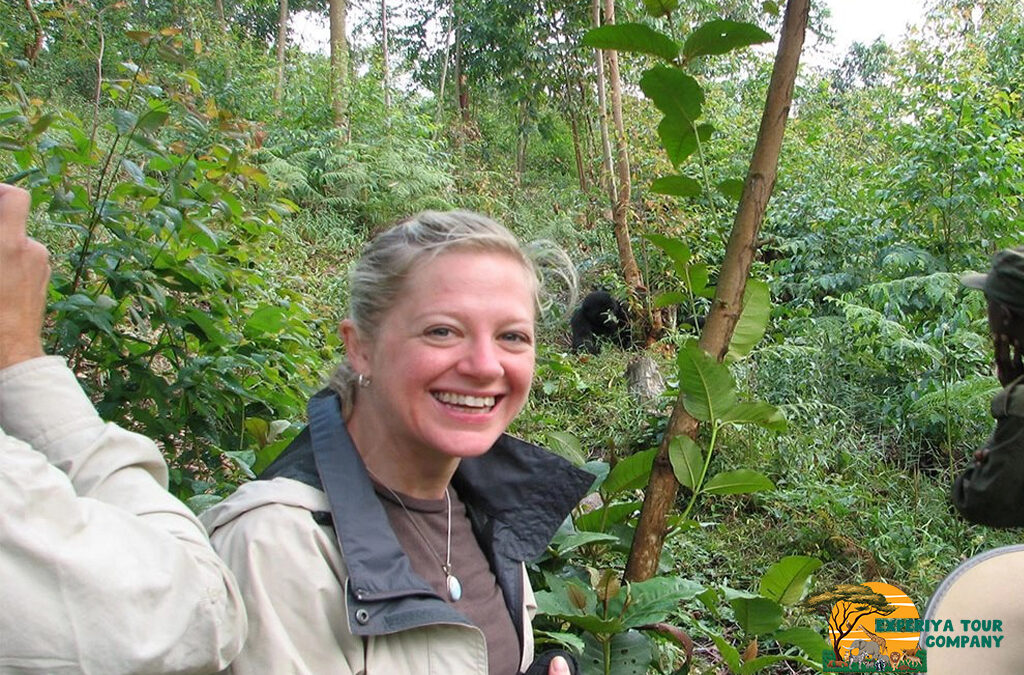
Uganda, often celebrated as the “Pearl of Africa,” continues to draw women from around the world with its breathtaking landscapes, rich culture, and unforgettable it becomes increasingly important to share practical, up-to-date guidance. This 2026 travel guide offers everything you need to enjoy a safe, comfortable, and inspiring journey through Uganda.
Is Uganda Safe for Women Travelling in 2026?
Uganda remains one of East Africa’s most welcoming destinations, and many women travel safely throughout the country each year. In 2026, the government continues to invest heavily in tourism safety, especially around major cities and national parks. Kampala is energetic and friendly, yet it is wise to stay alert in crowded places and avoid quiet streets after dark.
As you move into rural areas and safari parks, the atmosphere becomes even more relaxed and secure. When you travel with reputable operators such as Experiya Tour Company, your journey becomes both safer and easier. You should also check your government’s latest travel advisories before departure to stay informed.
Understanding Cultural Norms for Women Travellers
Ugandans are warm, polite, and welcoming, but cultural expectations vary between urban and rural areas. Modesty often carries more weight in traditional communities. While trousers and dresses are perfectly acceptable in cities, covering your shoulders and knees shows respect in villages, markets, and religious sites.
Ugandans place great value on greetings and respectful conversation, so taking a moment to greet someone warmly creates meaningful connections. Public displays of affection, however, are still frowned upon in conservative regions, so it’s best to avoid them.
What Solo Female Travellers Should Expect
Solo female travelers often describe Uganda as friendly and easy to navigate. Locals may approach you with curiosity and kindness, which adds to the cultural experience. Even so, traveling alone always requires extra mindfulness.
Choosing accommodations in safe neighborhoods, especially lodges and hotels with strong reputations, makes a big difference. Experiya Tour Company encourages solo travelers to join guided activities such as gorilla trekking, safaris, cultural tours, or city excursions. These group experiences improve safety, reduce stress, and make it easy to meet like-minded adventurers. Moving around late at night is not advisable, so using trusted transport services keeps your journey smooth and secure.
How Women Should Dress When Visiting Uganda
Packing comfortable, modest clothing is the key to blending in and staying comfortable. Uganda’s tropical climate calls for breathable fabrics that allow you to move freely. During safaris, neutral tones like beige, olive, or khaki help you blend into nature and avoid attracting insects.
When visiting towns or rural areas, longer skirts, loose trousers, or simple dresses show cultural respect. Revealing outfits may attract unnecessary attention. Carrying a light scarf is helpful when entering religious sites, or during visits to more conservative communities.
Essential Health and Safety Tips for Women in Uganda
Preparing for your health needs before traveling ensures peace of mind. Uganda requires all travelers to present a yellow fever vaccination certificate. You may also want to consider vaccinations for hepatitis A, tetanus, and typhoid for extra protection.
Since malaria is present in many parts of the country, using insect repellent, wearing long sleeves at night, and sleeping under mosquito nets remain essential habits. Packing a basic medical kit—including personal prescriptions, pain relievers, and hygiene products—helps, especially when visiting rural regions where pharmacies may have limited stock. Drinking bottled or filtered water also minimizes the risk of stomach issues.
How Safe Is Public Transport for Women?
Local transport options such as buses, shared taxis (matatus), and boda bodas (motorcycles) are cheap but often lack safety standards. Boda bodas, in particular, are known for risky driving and the absence of helmets.
To stay safe, consider using private transfers arranged through hotels or through Experiya Tour Company, especially for intercity travel or transfers to national parks. In Kampala, ride-hailing apps offer a convenient and safer alternative. Long-distance travel is much more comfortable and reliable when arranged with licensed operators.
Can Women Travel Alone on Safari in Uganda?
Yes, women can absolutely travel alone on safari in Uganda. The country’s national parks operate under strict regulations designed to protect visitors and wildlife. Guided safaris offer the best experience, especially for solo female travelers. Professional guides handle logistics, monitor safety, and enrich your wildlife encounters with expert knowledge.
Safari lodges and tented camps are secure and often host friendly groups of international travelers, creating a community feel that many solo women appreciate.
What Women Should Pack for Uganda
Packing wisely ensures a comfortable, worry-free trip. Uganda’s warm climate calls for light, breathable clothes, along with a wide-brimmed hat, sunglasses, and sturdy shoes for treks and safaris. A personal medical kit is essential, especially for women who use specific products that may be hard to find in remote places.
It’s helpful to bring insect repellent, sunscreen, reusable water bottles, and a power bank to stay connected during long drives or treks. Eco-friendly sanitary products are also useful since options may be limited in some areas.
Are Women-Only Tours Available in Uganda?
Yes, several operators, including Experiya Tour Company, offer women-only or women-focused trips. These tours create a safe, supportive, and empowering travel environment. They often include gorilla trekking, safari adventures, cultural tours, and community visits. Many itineraries also include hands-on experiences such as craft workshops, cooking classes, and meetings with local women’s cooperatives.
Cultural Experiences Women Can Enjoy
Uganda’s cultural diversity opens the door to countless meaningful experiences. Many villages host women’s groups that create beautiful crafts like baskets, jewelry, and textiles. Joining a cooking workshop gives you a chance to prepare dishes such as matooke or groundnut stew—and enjoy them with local families.
You can also join tea plantation tours, storytelling evenings, and conservation activities that support local communities. These interactions allow you to contribute to responsible tourism while learning from the inspiring women of Uganda.
Is Uganda’s Nightlife Safe for Women?
Kampala is famous for its vibrant nightlife. Women can enjoy live music, great restaurants, and upbeat bars as long as they take simple precautions. Staying in groups, monitoring your drinks, and avoiding excessive alcohol keeps the experience enjoyable.
Using registered taxis or ride-hailing apps is the safest way to move around at night. Sticking to well-known venues and avoiding isolated spots ensures a fun and secure night out.
Scams and Challenges to Watch Out For
Uganda is generally safe, but minor scams can happen. You may encounter people posing as guides, offering cheap safaris or transport. Booking all activities through trusted companies like Experiya Tour Company eliminates these risks.
You should also stay mindful of petty theft in crowded markets and keep your valuables secure. When exchanging money, always use authorized banks or forex bureaus instead of street dealers.
Do Women Need Special Documents to Travel to Uganda in 2026?
Women do not need any special documentation beyond standard entry requirements. All travelers must apply for an online e-visa before arrival and present a passport with at least six months’ validity. Travel insurance remains highly recommended, covering medical issues, cancellations, and emergencies.
Carrying photocopies of important documents—such as your passport and visa—helps in case you misplace the originals.
Conclusion
Uganda offers extraordinary opportunities for women travelers in 2026—from gorilla trekking in Bwindi and chimpanzee tracking in Kibale to cultural encounters in welcoming villages. When you travel with awareness, respect cultural norms, and prepare with the right health and safety information, your journey becomes smooth, memorable, and deeply rewarding.
Whether you explore solo, join a group, or travel with women-only tours organized by Experiya Tour Company, Uganda promises an adventure that stays with you long after you leave.
