What You Should Know Before Going on a Game Drive
December 10, 2025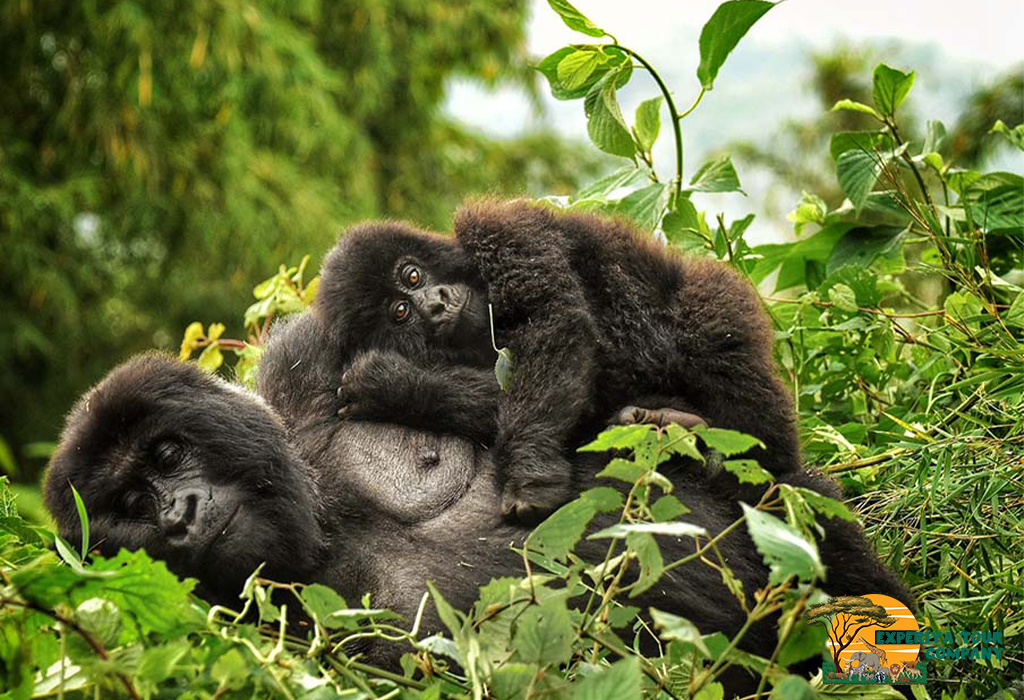
Who Is Eligible to Trek Mountain Gorillas in Rwanda?
December 10, 2025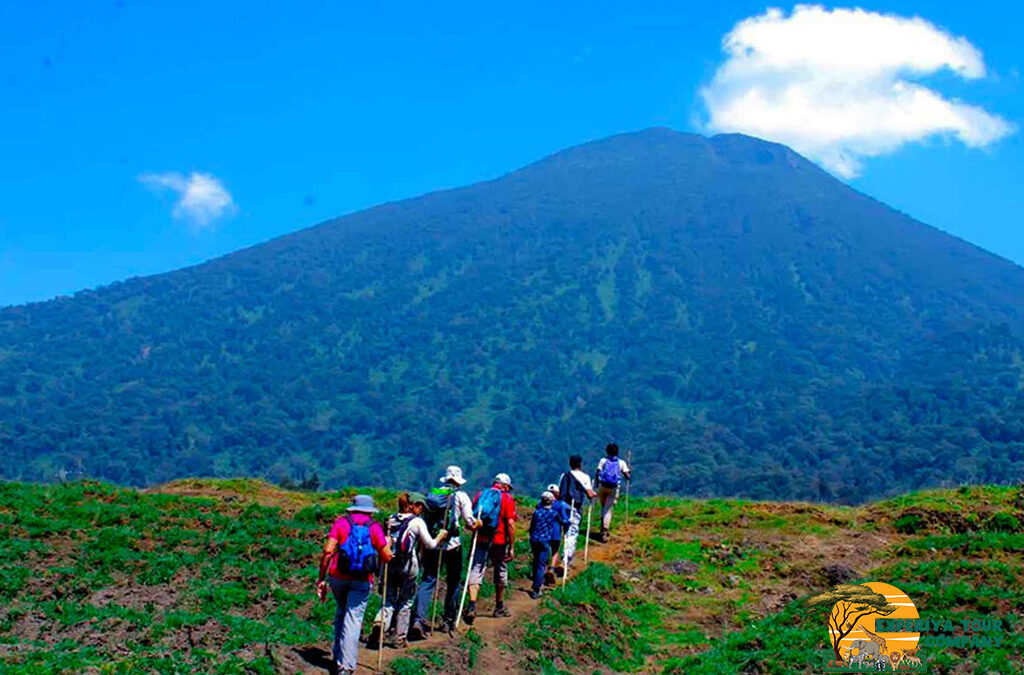
Mount Karisimbi is Rwanda’s highest peak and one of the most thrilling hiking destinations in East Africa. Rising 4,507 meters above sea level, Karisimbi dominates the Virunga volcanic mountain range along the Rwanda–Democratic Republic of Congo border. The two-day trek rewards hikers with breathtaking views, diverse vegetation, and encounters with Rwanda’s rich biodiversity.
Where is Mount Karisimbi Located?
Mount Karisimbi is located in Volcanoes National Park in northwestern Rwanda, within the Virunga Mountains that stretch across Rwanda, Uganda, and the Democratic Republic of Congo. To the west, it borders Mount Mikeno in Congo, and to the east, Mount Bisoke. Its location within Volcanoes National Park places it in a protected ecosystem, home to endangered mountain gorillas, golden monkeys, and a rich variety of birdlife.
How Tall is Mount Karisimbi?
Standing at 4,507 meters (14,787 feet), Mount Karisimbi is the tallest volcano in the Virunga range and the highest point in Rwanda. Its name comes from the local Kinyarwanda word “amasimbi”, meaning “snow,” as its upper slopes occasionally receive snowfall during colder months. This impressive elevation makes Karisimbi a challenging yet rewarding climb for adventurous hikers.
What Makes Hiking Mount Karisimbi Unique?
Hiking Mount Karisimbi is a unique experience because it blends volcanic landscapes, diverse ecosystems, and cultural significance. Along the trail, hikers pass through bamboo forests, afro-montane vegetation, and alpine meadows, each offering distinct natural scenery. The mountain is also home to rare wildlife, including endemic birds and primates. In addition, local communities view the volcanoes as sacred, adding a rich cultural layer to the adventure. This combination of natural beauty and cultural heritage sets Mount Karisimbi apart from other East African hikes.
How Long Does the Hike Take?
The Mount Karisimbi hike usually takes two days. On the first day, hikers climb from the base to an overnight campsite at around 3,700 meters, a journey that typically takes 6–7 hours depending on pace and conditions. On the second day, hikers tackle a steep ascent to the summit before descending back to the starting point. The full trek requires stamina and physical fitness due to steep terrain and high altitude.
What is the Difficulty Level?
Hiking Mount Karisimbi is considered strenuous. While the trek does not require technical climbing skills, hikers must be prepared for steep slopes, thin air at high elevations, and rapidly changing weather. Altitude sickness is a real possibility, so acclimatization and careful pacing are essential. Hikers with previous trekking experience will find the challenge demanding yet achievable.
When is the Best Time to Hike?
The ideal time to hike Mount Karisimbi is during the dry seasons: mid-December to February and June to September. During these months, trails are less muddy, weather conditions are more predictable, and panoramic views are clearer. In contrast, the rainy seasons from March to May and October to November make trails slippery and more difficult to navigate. Planning your hike during the dry season ensures a safer and more enjoyable experience.
Are Permits Required?
Yes, hiking Mount Karisimbi requires permits. The Rwanda Development Board (RDB) manages Volcanoes National Park and issues hiking permits. Travelers must book in advance through RDB or licensed tour operators. Permit fees cover park entrance, guides, and ranger escorts to ensure safety. Carrying your permit during the hike is mandatory, as park authorities check registration before starting the trek.
What Should You Pack?
Hikers should prepare for cold temperatures, high altitude, and overnight camping. Essential items include:
- Warm clothing: Layers, thermal wear, gloves, and a hat
- Hiking boots: Waterproof and comfortable for rugged terrain
- Rain gear: Poncho or rain jacket for sudden showers
- Sleeping bag: Rated for sub-zero temperatures
- Headlamp: Useful at the campsite and for early morning climbs
- Food and snacks: High-energy options for the trek
- Water and purification tablets: Streams are available but require purification
- Walking stick: Helps with steep climbs and descents
Tour operators often provide tents, but it is essential to confirm inclusions before booking.
Do You Need Guides?
Yes, hikers must trek with professional guides and armed rangers provided by the Rwanda Development Board. Independent hiking is not allowed due to safety concerns and the park’s protected status. Guides ensure safety, share knowledge about the volcano, wildlife, and vegetation, and enhance the overall experience. Porters are also available to carry heavy gear, making the climb more manageable.
Can You See Wildlife?
Hikers may encounter wildlife along the trail. The lower slopes host primates such as golden monkeys and various bird species. While mountain gorillas inhabit Volcanoes National Park, they are not usually seen on the Karisimbi trail, as gorilla trekking requires separate permits and designated routes. Nevertheless, the trek offers sightings of smaller mammals, unique insects, and endemic plants.
How Does Altitude Affect Hikers?
Altitude is one of the greatest challenges on Mount Karisimbi. At 4,500 meters, oxygen levels are significantly lower, which can cause headaches, dizziness, nausea, and fatigue. Hikers should acclimatize beforehand, stay hydrated, and ascend slowly. Guides monitor hikers for symptoms of altitude sickness and ensure safety throughout the trek. Those with pre-existing medical conditions should consult a doctor before attempting the climb.
What Are the Camping Conditions Like?
Hikers camp overnight at approximately 3,700 meters in basic conditions. Facilities are limited, so travelers must bring or rent equipment such as sleeping bags and mats. Nighttime temperatures can drop below freezing, making warm clothing essential. Despite the simplicity, camping on Karisimbi adds to the adventure, offering stunning mountain views and unforgettable night skies.
Can You Combine the Hike with Other Activities?
Yes, many travelers combine Mount Karisimbi hiking with other Volcanoes National Park activities:
- Gorilla trekking on nearby slopes of Mount Bisoke and Sabyinyo
- Golden monkey tracking, a shorter wildlife experience
- Dian Fossey hike to the Karisoke Research Center ruins
- Mount Bisoke hike, a one-day alternative
Combining activities allows hikers to maximize their time in the park and fully appreciate Rwanda’s biodiversity.
How Do You Get There?
Hikers usually access Mount Karisimbi from Musanze town, about a two-hour drive from Kigali, Rwanda’s capital. Musanze serves as the gateway to Volcanoes National Park and offers a range of lodges and hotels for trekkers. From the town, park authorities arrange transfers to the trailhead, and many tour operators provide round-trip transport from Kigali for international visitors.
Is It Safe?
Hiking Mount Karisimbi is safe when conducted with authorized guides and rangers. The Rwanda Development Board prioritizes visitor safety, and all treks are accompanied by trained personnel. Although the mountain is near the Congo border, all hikes are conducted securely on the Rwandan side. Travelers should follow guide instructions, pack appropriate gear, and prepare physically for the demanding trek.
Conclusion
Hiking Mount Karisimbi is one of Rwanda’s most challenging and rewarding adventures. The two-day trek offers breathtaking landscapes, rare wildlife encounters, and the incredible achievement of standing at Rwanda’s highest point. With proper preparation, permits, and guidance, the experience is both safe and unforgettable. Whether undertaken on its own or combined with gorilla trekking, Mount Karisimbi remains a must-do for adventurous travelers exploring Rwanda.