

Tips for an Amazing Adventure at Mount Elgon National Park
December 7, 2025
Visit Idi Amin’s Torture Chambers – Lubiri Mengo
December 8, 2025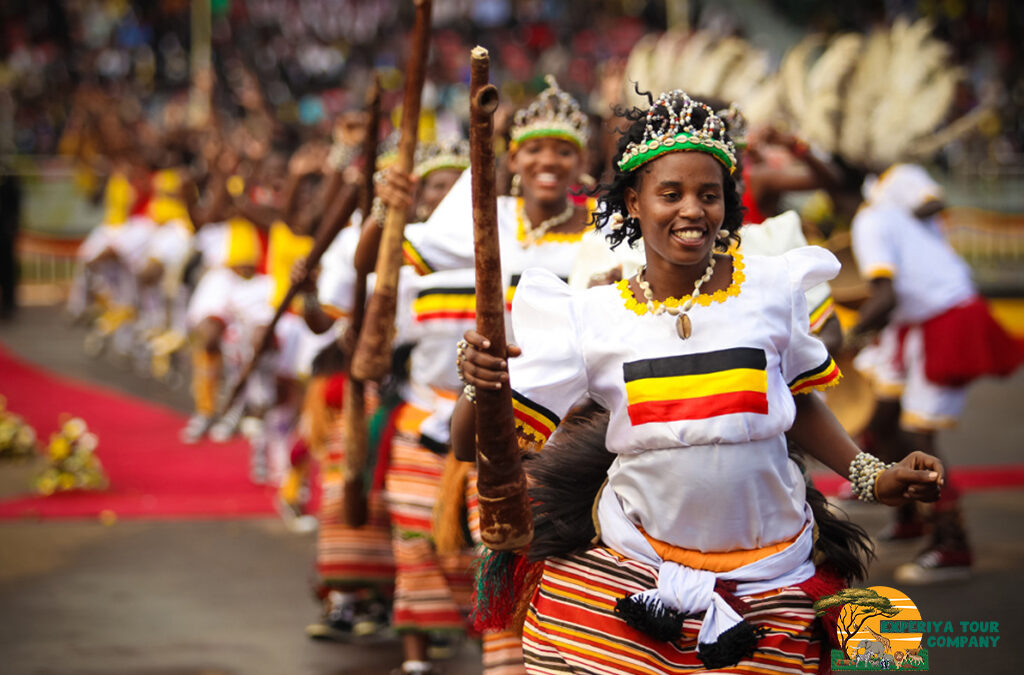
Things to Know About Ugandan Culture
Uganda is a culturally diverse country with a rich tapestry of traditions, languages, and customs. Its culture reflects the heritage of more than 56 ethnic groups, each contributing unique beliefs, practices, and ways of life. Understanding these cultural nuances not only enriches your visit but also deepens your appreciation of Uganda’s warm and welcoming people.
Ethnic Diversity: A Mosaic of People
Uganda’s cultural landscape is shaped by its many ethnic communities. The largest groups include the Baganda, Banyankole, Bakiga, and Basoga, among others. Each one has its own language and traditions that define its identity. As you travel across the country, you’ll notice how customs, greetings, foods, and ceremonies vary from region to region, making every interaction a new cultural experience.
Languages of Uganda
Language forms a vibrant part of Ugandan life. The country has two official languages—English and Swahili. English served as the primary official language until 2005 when Swahili was introduced as the second official language. Luganda, often called Ganda, remains the most widely spoken language, especially in the capital city.
Beyond these, Uganda is home to more than 70 languages that belong to four main language families. Bantu languages such as Runyankore, Rutooro, Lusoga, and Luganda dominate many regions. Nilotic languages, including Karamojong, Kakwa, and Teso, are spoken in the northern and eastern areas. Central Sudanic languages like Lugbara, Aringa, Ma’di, and Ndo enrich the West Nile region, while the Kuliak languages—Ik and Soo—are spoken by small communities near Karamoja.
Religion and Spirituality
Religion plays a significant role in everyday life. Christianity is the most widely practiced faith, followed by Islam. Traditional African religions remain deeply rooted, especially in rural communities, where ancestral beliefs and spiritual practices continue to shape cultural identity. As you explore Uganda, you’ll often see how modern religion and traditional spirituality blend seamlessly.
Music, Dance, and the Arts
Music and dance are at the heart of Ugandan culture. Every region has its own rhythms, instruments, and dance styles. Traditional drums, xylophones, and flutes create lively performances at ceremonies and celebrations. Today, genres such as Kadongo Kamu, Afrobeat, and gospel music dominate contemporary entertainment while preserving cultural expression.
Uganda’s artistic heritage is also rich. Skilled artisans produce beautiful baskets, pottery, jewelry, and traditional clothing. The famous bark cloth—made from the bark of fig trees—remains an iconic element of Buganda culture and is recognized by UNESCO as a heritage craft.
Ugandan Cuisine
Ugandan food varies widely depending on the region, but it always reflects abundance and community. Popular dishes include matoke (steamed bananas), posho (maize porridge), beans, groundnuts, yams, and leafy vegetables. Uganda’s street food culture adds even more flavor, with favorites such as rolex (chapati rolled with eggs and vegetables) and muchomo (grilled meat skewers).
Meals are often communal, and washing your hands before and after eating is considered polite and hygienic. In traditional homes, a basin of water may be offered for this purpose.
Traditional Clothing
Clothing is another beautiful expression of identity. The gomesi—a colorful, floor-length dress—is the traditional attire for many women, especially during ceremonies. Men often wear the kanzu, a long white or cream robe that symbolizes elegance and respect. While Western-style clothing is common in cities, traditional wear remains important during celebrations and cultural events.
Family, Community, and Social Etiquette
Family ties remain central to Ugandan society. People value togetherness, respect for elders, and strong community bonds. Greetings are an important part of daily interaction, and taking time to greet someone properly shows respect. Handshakes are common, and using titles or surnames is polite until someone invites you to use their first name.
Many communities pass down cultural values through rites of passage, marriage ceremonies, and funeral rituals. These events often include music, dance, storytelling, and feasting.
Nature, Wildlife, and Conservation
Ugandans have a deep connection to nature. Many traditional practices emphasize respect for the environment, wildlife, and sacred natural sites. As a visitor, you will see how conservation and cultural heritage intertwine, especially in communities living near national parks and protected areas. Respecting wildlife guidelines, not feeding animals, and staying on designated paths help preserve these natural treasures.
Sports and Recreation
Football (soccer) is the country’s most beloved sport, uniting people of all ages. Rugby, athletics, boxing, and netball are also gaining popularity. Sports often bring communities together and create lively atmospheres during competitions and local tournaments.
Cultural Tips for Tourists Visiting Uganda
When you visit Uganda, embracing the local culture enhances every moment of your journey. Understanding simple customs helps you connect more meaningfully with the people you meet.
Greetings and Politeness
When meeting someone for the first time, a friendly handshake is a warm way to begin. Addressing people respectfully using titles like Mr., Mrs., or Miss—is appreciated until you are invited to use first names. Learning simple greetings such as Oli otya? (How are you?) or Osiibye otya? (Good afternoon/evening) shows genuine effort and opens doors to positive interactions.
Dressing Respectfully
Dressing modestly is important, especially in rural areas or when visiting religious sites. Revealing clothing may be seen as disrespectful. In some regions or cultural events, wearing traditional attire is encouraged and warmly welcomed.
Photography Etiquette
Photography is a wonderful way to capture memories, but always ask before photographing people. In some cultural ceremonies and sacred places, photography may be restricted. Respecting these rules maintains trust and cultural dignity.
Visiting Religious and Cultural Sites
Uganda hosts churches, mosques, and shrines that hold deep cultural significance. When visiting these places, follow any dress codes, remove your shoes when required, and maintain a respectful attitude. Being open to learning about traditional spiritual practices also enriches your experience.
Food Etiquette
Trying Ugandan food is highly recommended. If you eat with a local family, washing your hands before and after the meal is standard practice. Locals often appreciate it when visitors taste traditional dishes with enthusiasm and curiosity.
Language Courtesy
English is widely spoken, but saying a few local phrases creates instant connection. Speaking politely, avoiding offensive language, and addressing elders respectfully go a long way in building rapport.
Gift Giving Traditions
If you visit a home, offering a small gift such as fruit or something from your home country—is considered thoughtful. Gifts are also exchanged during ceremonies, and participating in this tradition shows respect and appreciation for hospitality.
Cultural Festivals and Community Events
Uganda celebrates numerous cultural festivals throughout the year. Attending one allows you to witness colorful dances, traditional music, storytelling, and crafts. Before joining, ask about expected behavior or dress codes to ensure you participate respectfully.
Conservation Awareness
When exploring Uganda’s parks and nature reserves, follow all conservation guidelines. Avoid feeding animals, keep a safe distance from wildlife, and leave no trace behind. Respecting nature ensures that future generations can enjoy it too.
Bargaining in Markets
Negotiation is common in local markets. Bargaining should always be polite, friendly, and fair. With a smile and a little patience, you can enjoy lively exchanges and find beautiful handcrafted souvenirs.
A Final Word
Ugandan culture is a vibrant blend of traditions, languages, and warm hospitality. With its rich ethnic diversity and deep-rooted values, the country invites you to explore not just its landscapes but also the spirit of its people. By embracing local customs, respecting traditions, and engaging openly with communities, you’ll experience Uganda in its most authentic and memorable form.
