

Frequently Asked Questions About Gorilla Safaris in Uganda
December 5, 2025
Halal Uganda Safaris & Muslim-Friendly Tours with Experiya Tour Company
December 5, 2025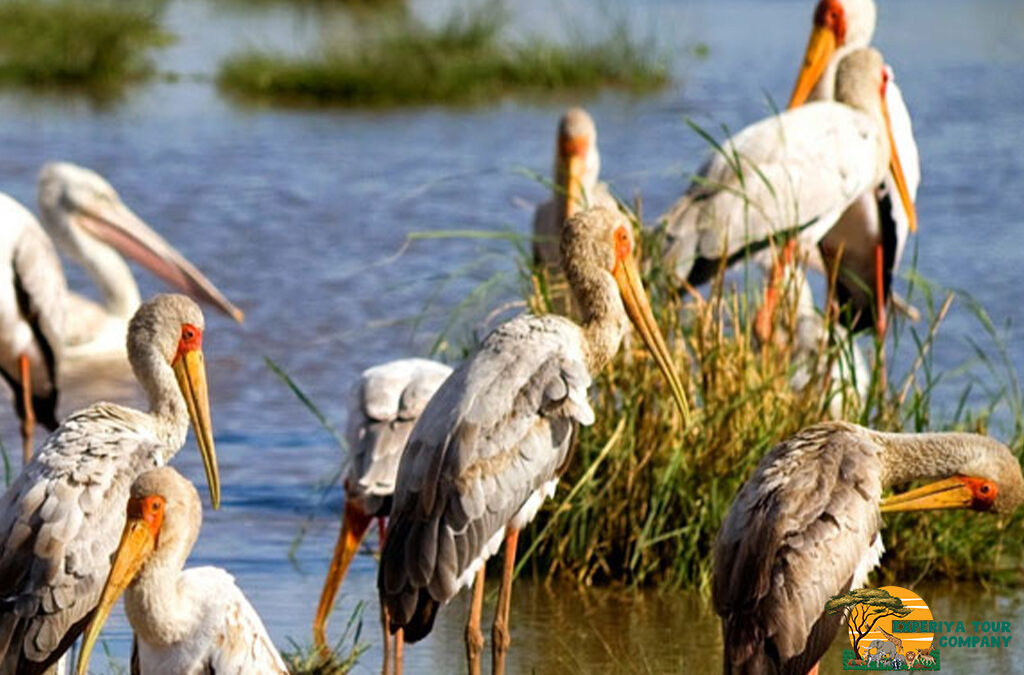
Kenya’s Top Birding Hotspots for Migratory Species
Kenya stands proudly as one of the world’s most rewarding destinations for birding, offering an incredible blend of landscapes that attract extraordinary numbers of both resident and migratory species. Positioned along the Great Rift Valley flyway, the country acts as a vital stopover for millions of birds escaping harsh winters in Europe, Asia, and the Middle East. Between October and April, Kenya transforms into a vibrant sanctuary filled with color, song, and constant movement as countless migrants settle briefly across its lakes, wetlands, forests, savannahs, and coastal mangroves. With more than 1,100 recorded bird species, Kenya continues to enchant birdwatchers, photographers, and ornithologists eager to witness one of nature’s most fascinating annual journeys.
Lake Nakuru National Park: A Flamingo Paradise
As you travel through the country, one of the most captivating stops is Lake Nakuru National Park. Few places in Africa capture the drama of migratory birding quite like this alkaline lake, famous for its shimmering masses of pink flamingos. While lesser and greater flamingos dominate the shoreline, the surrounding grasslands and woodlands support hundreds of additional species. Migrants such as the European roller, steppe eagle, and black-necked grebe often make seasonal appearances. In recent years, fluctuating water levels have welcomed new visitors like pelicans, storks, and cormorants, further enriching Lake Nakuru’s spectacular avian diversity.
The Rift Valley Lakes: Naivasha, Elementaita, and Beyond
Continuing along the Great Rift Valley, Lake Naivasha and its neighboring lakes offer yet another remarkable haven for migratory birds. This freshwater lake, framed by papyrus swamps and lush vegetation, draws species like the northern pintail, Eurasian marsh harrier, and osprey. Crescent Island and Hell’s Gate National Park add to the abundance with their mix of open plains and rocky outcrops. Not far away, Lake Elementaita, a protected Ramsar site, becomes a seasonal refuge for breeding pelicans and numerous migratory waders including sandpipers, avocets, and stilts. Together, these lakes form an essential ecological corridor, giving birders the chance to witness an extraordinary range of species in a relatively compact region.
Northern Rift Wonders: Lake Bogoria and Lake Baringo
As you travel north, the contrasting landscapes of Lake Bogoria and Lake Baringo create yet another set of unforgettable birding experiences. Lake Bogoria’s saline waters attract immense flocks of lesser flamingos feeding on the lake’s rich algae, while winter months bring in migratory waders such as the ruff, wood sandpiper, and black-tailed godwit. Meanwhile, Lake Baringo’s freshwater habitat, framed by rugged cliffs and acacia woodlands, provides shelter for migrants like the Eurasian bee-eater, steppe eagle, and European nightjar. A guided boat excursion reveals herons, kingfishers, and cormorants at close range, making the area both scenic and deeply rewarding for bird lovers.
Coastal Treasures: Arabuko Sokoke Forest and Mida Creek
Further east, Kenya’s coastal region reveals its own treasures at Arabuko Sokoke Forest and Mida Creek. Arabuko Sokoke, one of the last surviving coastal forests in East Africa, offers a cool and shaded refuge where migratory species such as the Eurasian golden oriole, steppe buzzard, and various warblers thrive. Just minutes away, Mida Creek opens into a breathtaking expanse of tidal mudflats and mangrove-lined channels. Here, thousands of shorebirds—including curlew sandpipers, grey plovers, whimbrels, and the striking crab-plover—arrive to rest and feed during their long continental journeys. This coastal ecosystem remains one of Kenya’s most important stopovers for migratory waterbirds.
Amboseli National Park: Wetlands beneath Kilimanjaro
As you head south toward the Tanzanian border, the sweeping plains of Amboseli National Park, set beneath the towering silhouette of Mount Kilimanjaro, deliver a blend of iconic scenery and rich birdlife. Between November and April, its seasonal wetlands and open savannah come alive with migratory species such as the European roller, white stork, and northern wheatear. Waterfowl including pintails and sandpipers gather in the park’s swamps, creating lively scenes against a backdrop that is unmistakably African.
Lake Victoria Basin: Wetland Havens in the West
Westward, the Lake Victoria Basin, especially around the Kisumu Impala Sanctuary, offers another exceptional birding experience. Its extensive papyrus swamps, wetlands, and lakeshore habitats attract Palearctic migrants like the Eurasian reed warbler, black-tailed godwit, and various tern species. At the same time, the region supports unique African birds such as the papyrus gonolek and blue swallow. A quiet boat ride along the lake allows visitors to observe herons, openbill storks, and cormorants as they feed, preen, or nest along the water’s edge.
Urban Birding: Nairobi National Park and Ngong Forest
Surprisingly, even Kenya’s capital city provides outstanding birding opportunities. Nairobi National Park, located just outside the urban center, hosts more than 520 species. During migration seasons, the skies come alive with steppe eagles, Amur falcons, and Eurasian hobbies, all making temporary homes within this urban wildlife haven. The nearby Ngong Forest offers a peaceful retreat where smaller songbirds, including the willow warbler and spotted flycatcher, find refuge among thick canopies. These urban hotspots showcase Kenya’s impressive biodiversity and demonstrate that exceptional birding can be found almost anywhere in the country.
Best Time to Enjoy Migratory Birding in Kenya
The best time to enjoy migratory birding in Kenya falls between October and April, when northern species escape colder climates and descend on Kenya’s welcoming habitats. The period from November to March tends to be especially rewarding, as both migrants and resident birds display heightened activity, brighter plumage, and frequent breeding behavior. Early mornings and late afternoons usually offer the most productive viewing, and exploring a variety of habitats from lakes and forests to wetlands and savannahs ensures a richer birding experience. Many visitors also enjoy pairing birding with photography, as Kenya’s soft light and dramatic landscapes create stunning backdrops for capturing avian behavior.
A Sanctuary for the World’s Migratory Birds
In the end, Kenya’s most celebrated hotspots for migratory birds reveal just how vital the country is in global avian conservation. Each region from the Rift Valley lakes and the coastal forests to the vast wetlands of Lake Victoria tells a story of movement, resilience, and survival. These landscapes not only protect Kenya’s resident birdlife but also offer essential sanctuary to thousands of migratory travelers. For anyone passionate about birds, Kenya promises an unforgettable journey, where each sunrise brings new wings to the sky and every moment deepens the connection between nature and migration.
