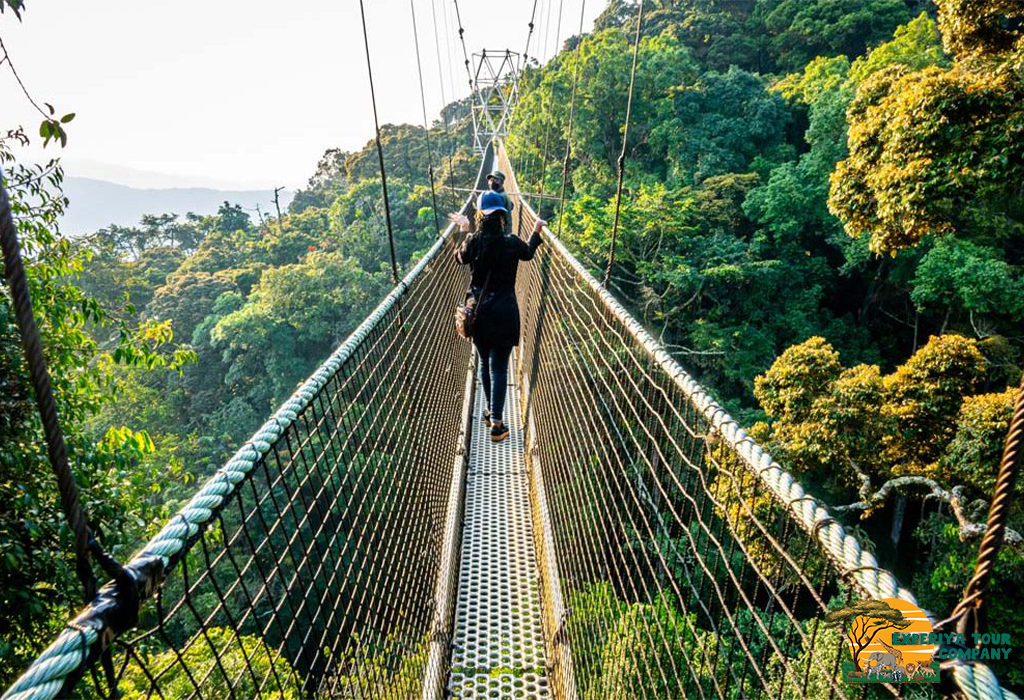
Exploring the Igishigishigi Trail in Nyungwe Forest, Rwanda with Experiya Tour Company
December 5, 2025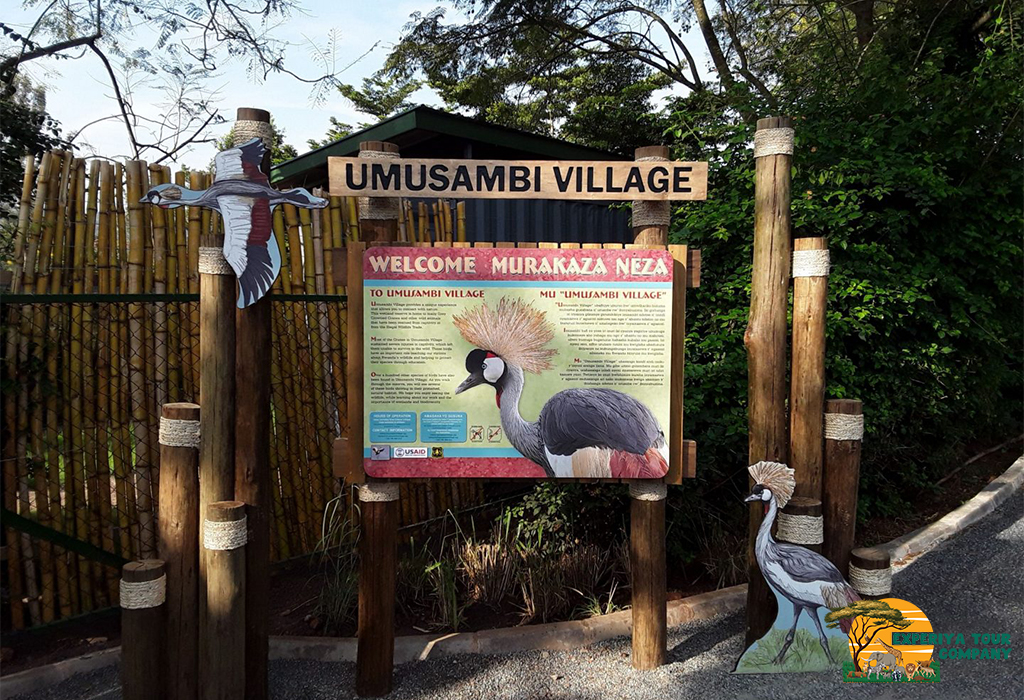
All You Need to Know About Umusambi Conservancy Village
December 5, 2025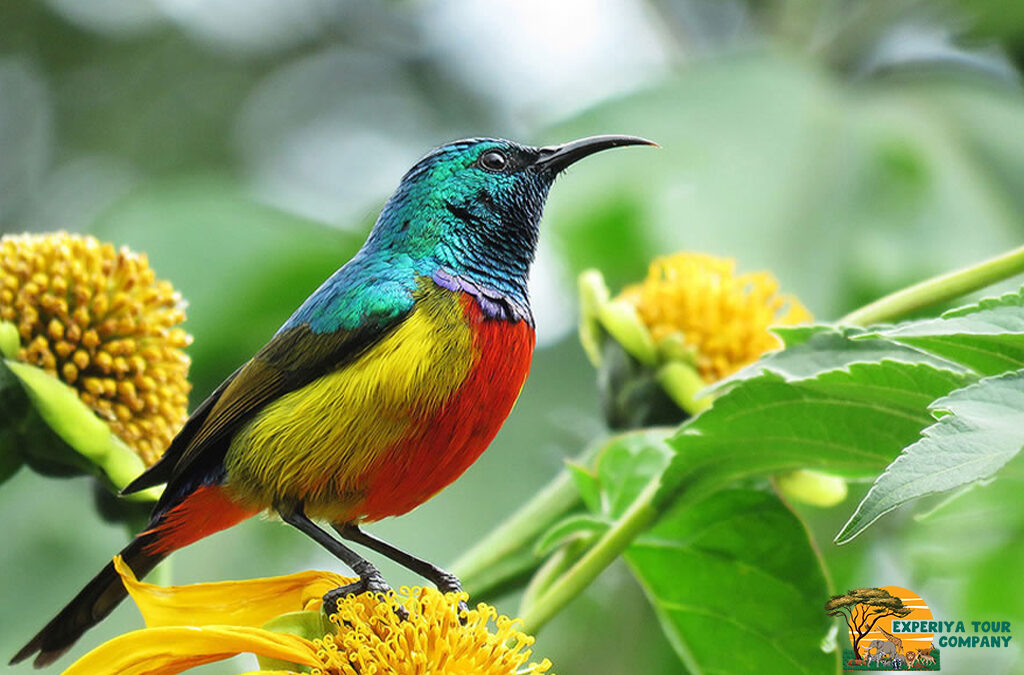
Exploring the Karamba Birding Trail in Nyungwe Forest
The Karamba Birding Trail in Nyungwe Forest offers one of Rwanda’s most rewarding and accessible birdwatching experiences. Winding through a unique section of the ancient montane rainforest, this 4-kilometer trail combines rich avian diversity with fascinating historical context. Its moderate difficulty and relatively short distance make it perfect for visitors who want an immersive forest adventure without the challenges of strenuous hikes. Whether you are a novice birder or an experienced enthusiast, the Karamba Trail presents an unforgettable opportunity to encounter some of Africa’s most spectacular and endemic bird species.
Understanding Nyungwe Forest National Park
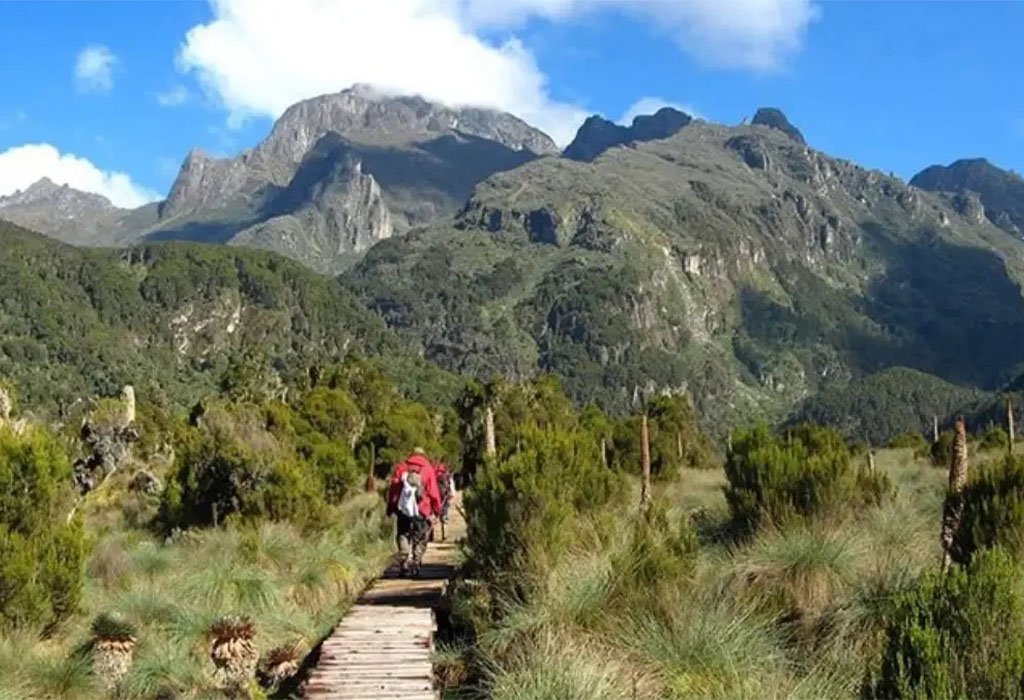
Before delving into the specifics of the Karamba Trail, it’s important to appreciate the broader context of Nyungwe Forest National Park. This ancient montane rainforest spans approximately 1,019 square kilometers in southwestern Rwanda, making it one of Africa’s oldest and most biodiverse protected areas. Nyungwe serves as a critical water catchment area, feeding both the Nile and Congo river systems, and it remains one of the largest intact mountain forests on the continent.
Nyungwe is recognized globally as an Important Bird Area, home to over 310 bird species, including 29 endemics of the Albertine Rift region. Its varied elevation—from 1,600 to 2,950 meters above sea level—creates multiple ecological niches that support distinct bird communities. Because of its pristine condition and protected status, Nyungwe has become a sanctuary for rare and threatened species that have disappeared from other parts of their historical range.
The Karamba Birding Trail: A Unique Forest Experience
Among Nyungwe’s thirteen designated hiking trails, the Karamba Trail stands out for its accessibility, unique historical background, and exceptional birding opportunities. Stretching approximately 4 kilometers (about 2.5 miles), the trail offers an easy-to-moderate hike that typically takes three to four hours, depending on how often you pause to observe the forest’s incredible wildlife.
What makes the Karamba Trail particularly special is its unusual past. Decades ago, this area was a gold mining and quarry site, leaving a legacy that has shaped the trail’s current structure. Today, the forest has naturally regenerated, but the previous mining activity created a more open canopy than in Nyungwe’s denser sections. This openness allows sunlight to penetrate the forest floor, highlighting birds’ colorful plumage and offering excellent visibility for observers.
The combination of open areas, regenerating forest, and mature trees at the edges attracts a variety of bird species from different ecological niches. This habitat diversity ensures that each walk along the trail can reveal something new, making every visit unique.
Exceptional Bird Species on the Karamba Trail
The Karamba Birding Trail is renowned for providing reliable sightings of some of Nyungwe’s most sought-after species.
Yellow-eyed Black Flycatcher: A Jewel of the Albertine Rift
Among the trail’s star attractions is the Yellow-eyed Black Flycatcher, an Albertine Rift endemic. Its jet-black plumage contrasts dramatically with bright yellow eyes and distinctive white wing patches, making it a favorite among photographers and birders alike. Males are particularly conspicuous, performing characteristic flycatching sallies to capture insects in mid-air.
Regal Sunbird: A Glowing Forest Gem
The Regal Sunbird is another highlight that draws enthusiasts to the Karamba Trail. Male sunbirds display an iridescent metallic green head and back, with a brilliant red and yellow breast that seems to glow in the dappled forest light. These active birds feed on nectar from forest flowers, often perching in flowering trees along the trail, offering incredible photographic opportunities.
Great Blue Turaco: Africa’s Spectacular Avian Icon
No visit to Nyungwe is complete without encountering the Great Blue Turaco, one of Africa’s most striking birds. Recognizable by its bright blue plumage, yellow and red bill, and distinctive crest, this large bird can be difficult to spot in dense canopy. The more open conditions of the Karamba Trail, however, make it easier to observe its graceful movements and vibrant colors.
Dusky Crimsonwing: A Secretive Understory Specialist
The Dusky Crimsonwing is a small, secretive finch endemic to the Albertine Rift. With deep red plumage and a shy disposition, it typically inhabits the forest understory, feeding on seeds and insects. While patience is required to spot this elusive bird, the trail’s varied structure offers the perfect habitat, rewarding determined birders with a rare and memorable sighting.
White-bellied Robin-chat: The Forest’s Melodious Welcome
Though less colorful than other species, the White-bellied Robin-chat offers a delightful auditory experience. Its melodious song fills the forest, and its bold behavior often allows for close observation. For newcomers to forest birding, this species serves as an excellent introduction to the subtle beauty of Nyungwe’s avian life.
Additional Forest Specialists
Beyond these highlights, the Karamba Trail hosts numerous other species, including greenbuls, apalises, batises, and weavers. Seasonal variations, weather, and time of day can all influence sightings, making each walk a potentially unique experience.
Preparing for Your Karamba Trail Adventure
Success in birdwatching depends as much on preparation as on patience. The trail’s terrain is generally easy to moderate but includes some uneven surfaces, muddy sections after rain, and occasional roots and rocks. Sturdy hiking boots with good ankle support and grip are essential for navigating these conditions safely and comfortably.
Nyungwe’s montane climate can be unpredictable, with mist and rain possible year-round. Layered clothing is recommended, including a waterproof jacket that can be packed away when not needed. The forest can feel cool, particularly in the early morning, so a light fleece or sweater is advisable. A hat helps shield you from sun and rain while providing a stable platform for binoculars.
Essential supplies include at least one liter of water per person, energy-rich snacks such as trail mix or fruit, and quality binoculars (8×42 or 10×42 magnification works best in forest conditions). A camera with a telephoto lens will enhance your experience but should never disturb the birds. Insect repellent is highly recommended, as the moist forest environment supports various biting insects.
The Importance of Guides
While it is possible to explore the Karamba Trail independently after obtaining the necessary park permit, hiring a professional guide can greatly enhance your experience. Guides possess intimate knowledge of the forest and its avian inhabitants, accumulated through years of observation. They can identify birds by their calls long before they are visible, locate species that might otherwise go unnoticed, and provide insight into seasonal patterns and behavior.
Guides often carry spotting scopes that allow detailed views of canopy species, increasing the diversity of birds you may encounter. Beyond technical expertise, they provide context about the forest ecosystem, conservation efforts, and the interplay between Rwanda’s natural and cultural heritage. For international visitors, guides also bridge language barriers and enrich the experience by sharing stories and ecological insights that transform a simple walk into an educational adventure.
Permits and Park Regulations
Access to Nyungwe Forest and the Karamba Trail requires a birding permit. Permits not only ensure legal entry but also support park management, conservation initiatives, and local community development programs.
Park regulations are designed to protect both visitors and the ecosystem. Groups must stay on designated trails, maintain safe distances from wildlife, and avoid littering. Rangers accompany all visitors, ensuring safety and adherence to these guidelines. By following the rules, visitors help preserve Nyungwe’s pristine forest for future generations while enjoying a safe and enriching experience.
Conclusion
The Karamba Birding Trail in Nyungwe Forest offers an exceptional opportunity to explore Rwanda’s extraordinary avian diversity in a manageable and highly rewarding format. Its unique combination of historical context, open forest structure, and concentrated bird populations makes it ideal for birders of all skill levels.
With proper preparation, patience, and, ideally, the guidance of a knowledgeable local expert, visitors can experience the thrill of encountering endemic Albertine Rift species such as the Yellow-eyed Black Flycatcher, Regal Sunbird, Great Blue Turaco, and Dusky Crimsonwing. Alongside these birds, the trail offers an immersive experience in one of Africa’s most biodiverse and historically rich forests.
Visiting the Karamba Trail is more than a birding expedition; it is a journey into a living laboratory of nature, history, and conservation. Every sighting, every song, and every step through this regenerating forest is a reminder of the wonders that remain when humans prioritize preservation and respect for the natural world.