

Is It Okay to Bring Children on Safari?
December 4, 2025
Unveiling Kigata Hot SPrings in Uganda
December 4, 2025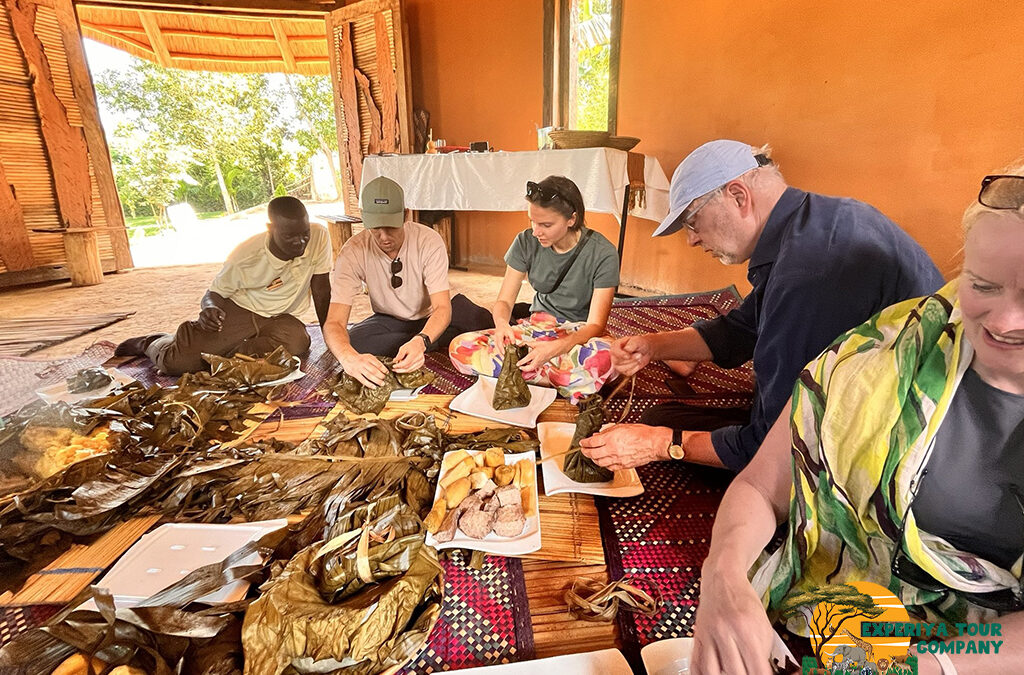
Reasons for Serving Local Foods During Ugandan Tourism
Uganda, known affectionately as the “Pearl of Africa,” draws travelers from all corners of the world with its stunning landscapes, wildlife-rich national parks, and warm, welcoming people. Yet beyond the safari plains and misty mountains lies another treasure that continues to shape the visitor experience the country’s vibrant culinary heritage. Every part of Uganda tells its story through food. Whether it is the matoke-covered hills of the west, the aromatic luwombo from Buganda, or the lively street snacks found in Kampala’s colorful neighborhoods, Ugandan cuisine offers more than nourishment. It represents identity, pride, and the heartbeat of the nation.
In recent years, Uganda’s tourism sector has embraced traditional foods as a powerful cultural asset. Local dishes such as matoke, luwombo, malewa, posho, and the beloved rolex have become symbols of authenticity for travelers seeking meaningful experiences. Serving local foods is no longer just about feeding guests; it is about shaping connections, preserving heritage, empowering communities, and enhancing sustainability. As culinary tourism grows globally, Uganda is recognizing the incredible value hidden in its kitchens, gardens, and marketplaces.
Promoting Uganda’s Cultural Heritage
One of the strongest motives for serving local foods in tourism is the preservation and promotion of cultural identity. Food acts as a living narrative, a language through which people express their roots, traditions, and way of life. When travelers taste Ugandan dishes, they immerse themselves in stories that have been passed down through generations.
Matoke, for instance, is more than a staple in western Uganda. It symbolizes unity, hospitality, and the deep agricultural traditions of the region. Luwombo, the royal dish steamed carefully in banana leaves, introduces visitors to Buganda’s ancient cooking techniques and celebratory customs. In the eastern highlands, malewa — smoked bamboo shoots — serves as a cultural marker of the Bagisu community, connecting guests to rituals, festivals, and the famed Imbalu tradition.
Through cooking classes, food walks, village homestays, and cultural festivals, tourists gain intimate insight into Uganda’s ethnic diversity. They learn how communities farm, prepare, and celebrate food, and in the process, they discover the shared values that bind Ugandans together. Each meal becomes a portal into history, transforming food into a living museum that keeps traditions alive.
This cultural exchange benefits not only visitors but also local communities, who gain renewed pride in their heritage. Recipes that might have faded away find new life as tourists show interest in traditional preparation methods and ingredients. In this way, food tourism becomes a guardian of Uganda’s intangible heritage, ensuring that future generations inherit the flavors and stories that define the nation.
Supporting Local Economies and Communities
Another compelling motive behind serving local foods is the economic empowerment it creates. Uganda’s tourism sector has long recognized that local sourcing strengthens the entire value chain, from rural farmers to market vendors and small restaurants. When hotels, lodges, and tour operators prioritize local ingredients, they keep money circulating within communities, promoting inclusive growth.
Across the country, vegetable growers, banana farmers, cattle keepers, and fruit suppliers benefit from the steady demand generated by tourism. Their produce travels directly from gardens to kitchens, ensuring freshness while reducing reliance on imported goods. This direct relationship creates stability for rural households and encourages farmers to diversify and scale their production.
Community-based tourism initiatives have also embraced traditional cooking as part of the visitor experience. In areas such as Fort Portal, Mbale, and Jinja, local women prepare traditional meals for tourists, earning income and building entrepreneurial skills. Visitors get the chance to dine in authentic homesteads, enjoy farm-fresh produce, and interact with the people behind the dishes. This exchange fosters mutual respect and strengthens community pride.
As agri-tourism grows, tourists increasingly participate in farm tours, harvest activities, and cooking demonstrations. These hands-on experiences help guests appreciate the journey of each ingredient from soil to plate. Meanwhile, the communities themselves benefit from diversified economic opportunities that extend far beyond conventional tourism services.
Promoting Sustainable and Responsible Tourism
Serving local foods plays a significant role in promoting sustainable tourism, an essential pillar of Uganda’s long-term development goals. Imported ingredients often travel great distances before reaching the plate, contributing to carbon emissions and increasing a destination’s ecological footprint. By embracing locally sourced produce, Ugandan tourism reduces transportation impacts, supports eco-friendly practices, and contributes to global sustainability efforts.
Traditional Ugandan foods naturally follow principles of sustainability. Many dishes are based on fresh, organic, and seasonal ingredients grown using low-impact farming methods. Cooking techniques such as steaming, boiling, and roasting not only preserve flavor but also minimize energy consumption. The widespread use of banana leaves, clay pots, and handwoven baskets for cooking and serving also promotes environmentally conscious dining by reducing reliance on plastic and non-biodegradable materials.
These practices align with global standards for responsible tourism and support several United Nations Sustainable Development Goals, including community empowerment, sustainable consumption, and cultural preservation. As travelers become more eco-conscious, Uganda’s commitment to sustainability through food strengthens its reputation as an ethical and environmentally responsible destination.
Enhancing Tourist Experience and Satisfaction
Food sits at the center of every travel story, and in Uganda, those stories become unforgettable. Serving local dishes gives visitors a chance to taste the country’s soul. Whether enjoyed in a bustling street market, a rural homestead, or a lakeside lodge, traditional foods elevate the travel experience and create emotional connections.
Many visitors speak fondly of learning to peel matoke with village women, laughing alongside their hosts as they mash the bananas into a smooth, golden meal. Others recall tasting their first rolex at a street corner stall, surrounded by sizzling sounds and the aroma of freshly cooked chapati. Festivals such as the Kampala Street Food Carnival and regional cultural fairs give travelers opportunities to explore Uganda’s culinary creativity in vibrant, social settings.
These sensory experiences the flavors, smells, textures, and human interactions — linger long after the journey ends. They encourage travelers to return, recommend Uganda to others, and engage more deeply with the country’s culture. Serving local foods therefore becomes an essential tool for improving visitor satisfaction and strengthening Uganda’s tourism brand.
Preserving National Identity and Boosting Global Recognition
In an increasingly competitive global tourism market, Uganda’s rich culinary identity offers a distinctive advantage. As travelers seek authentic, meaningful experiences, the country’s traditional dishes provide a unique gateway into its culture. Ugandan cuisine, with its hearty stews, vibrant vegetables, tropical fruits, and creative flavor combinations, sets the nation apart from other destinations.
By promoting local foods through tourism campaigns, cultural exhibitions, and international food festivals, Uganda elevates its profile on the world stage. Visitors who return home often share stories about dishes such as luwombo, malewa, or katogo, sparking curiosity among friends and family. This word-of-mouth exchange becomes a subtle yet powerful form of cultural diplomacy. Through food, Uganda reaches audiences who may never have encountered its traditions otherwise.
Furthermore, showcasing local cuisine strengthens national identity. It reminds Ugandans of the richness that lies in their diversity and encourages younger generations to appreciate and preserve traditional recipes. As Uganda continues to celebrate its culinary heritage, it reinforces a sense of belonging and pride that resonates across the country.
Conclusion
Serving local foods within Uganda’s tourism landscape is far more than a culinary choice; it is a cultural strategy that shapes identity, empowers communities, and enhances sustainability. Through traditional dishes, visitors discover stories of land, people, and heritage. They taste the warmth of Ugandan hospitality and leave with memories shaped by flavor and tradition.
As tourism continues to grow, Uganda’s authentic foods stand as powerful ambassadors — inviting the world to savor the country’s richness, celebrate its culture, and connect with its people in meaningful and unforgettable ways.
