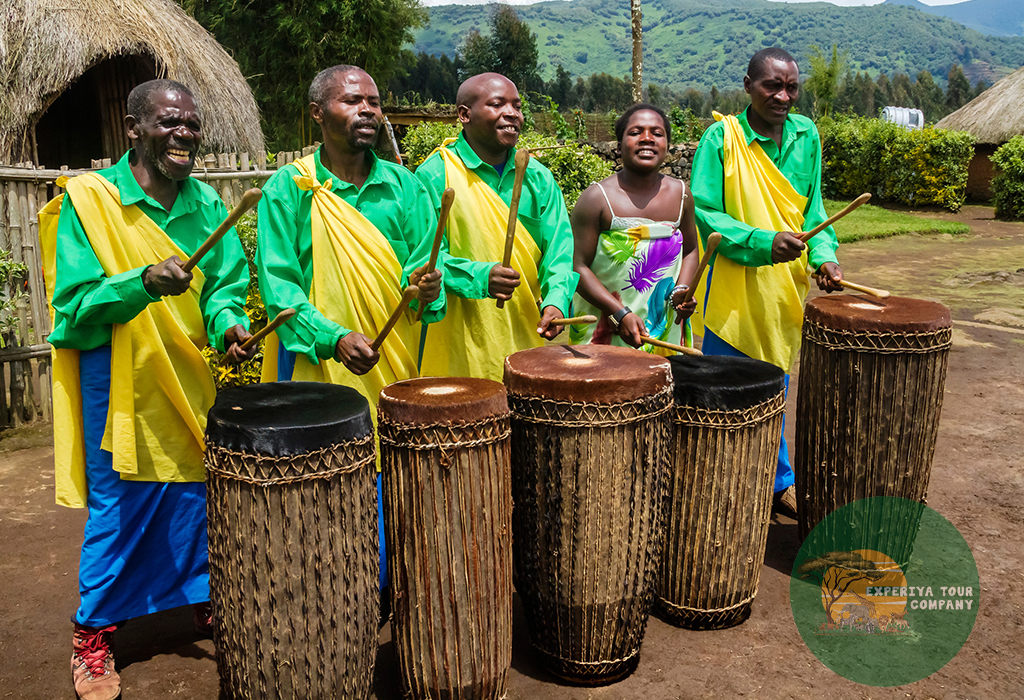
Discover Rwanda Through Its Rich Cultural Heritage With Experiya Tour Company
December 4, 2025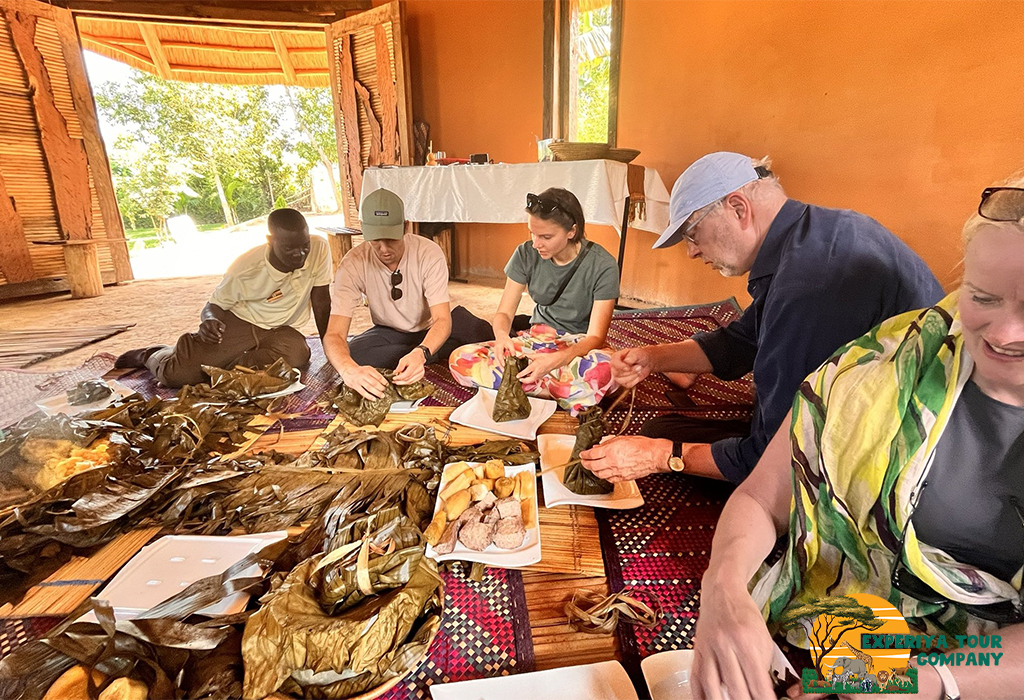
Reasons for Serving Local Foods During Ugandan Tourism
December 4, 2025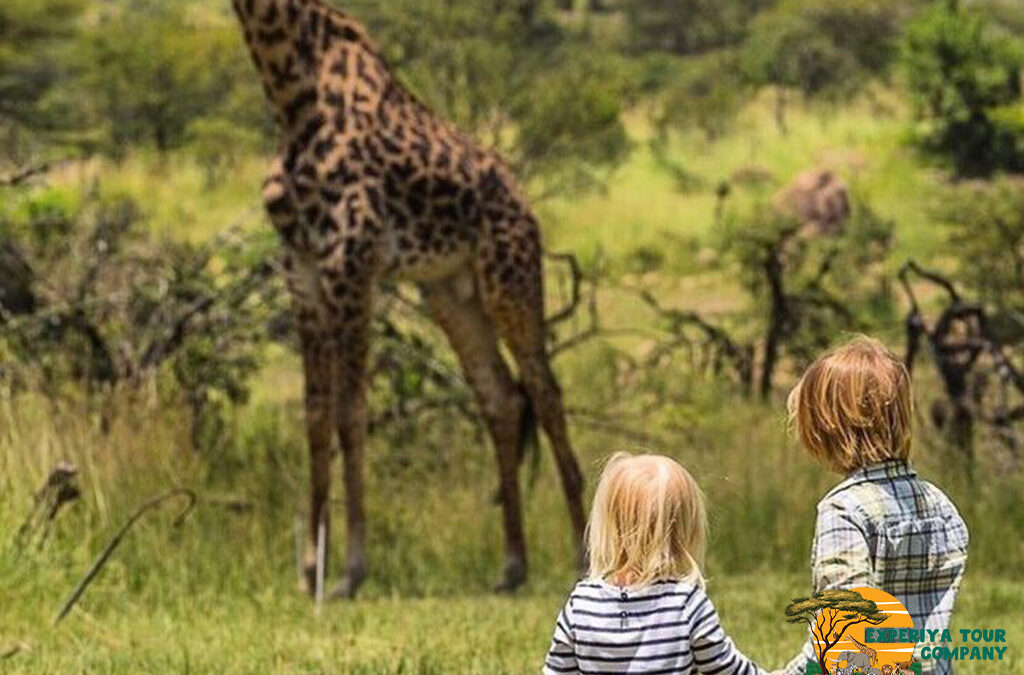
Is It Okay to Bring Children on Safari?
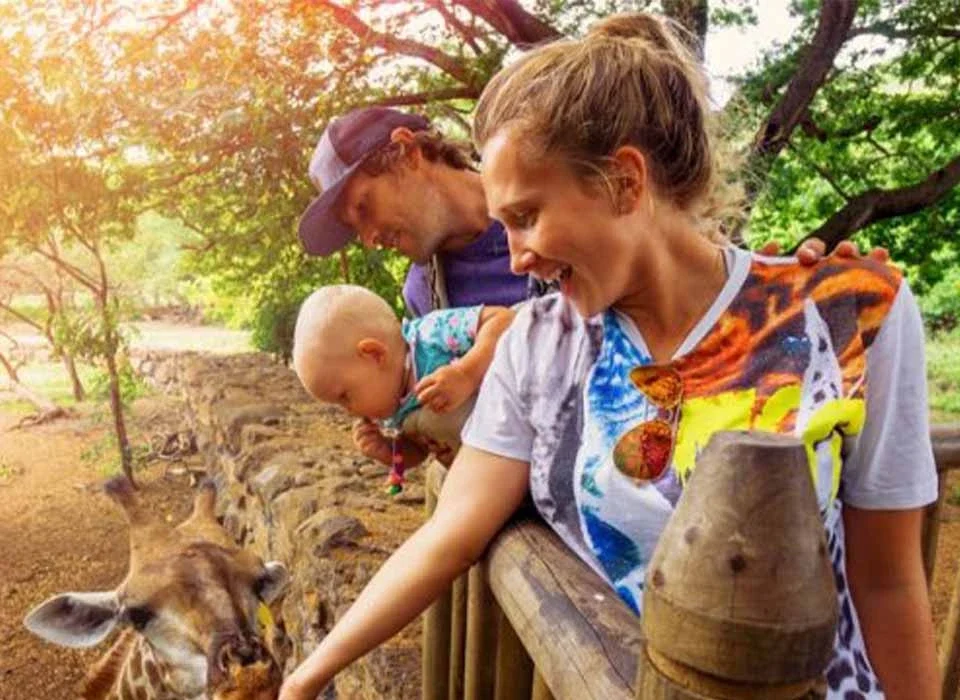
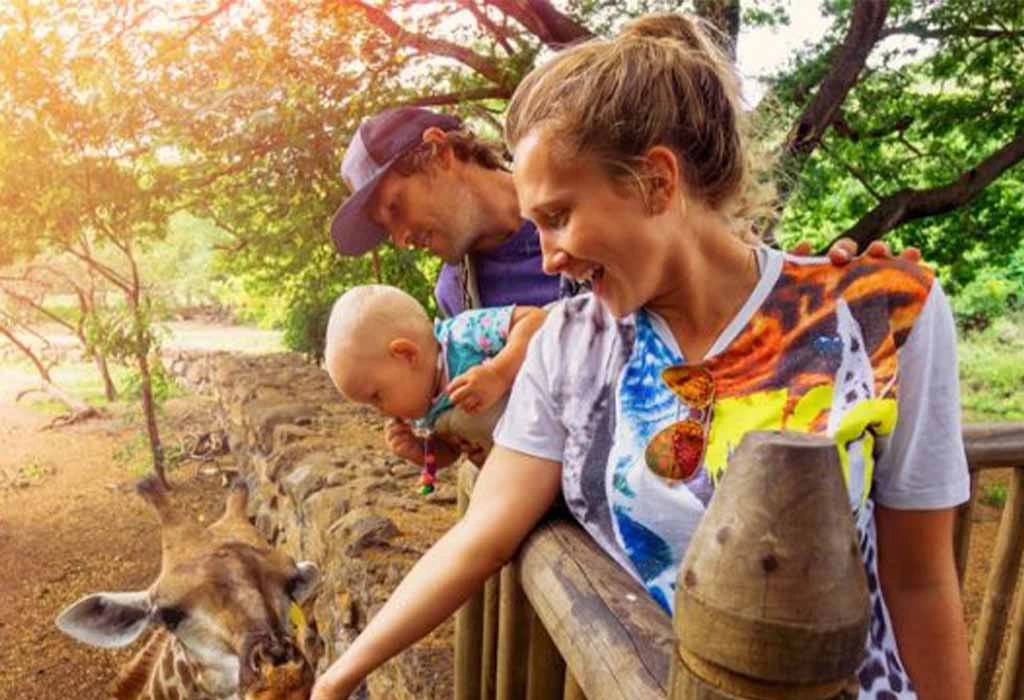
Absolutely! Traveling on safari with children is possible and can be a truly memorable family experience. Experienced safari guides spend every day immersed in African wildlife, giving them a deep understanding of animal behavior. Their expertise allows them to assess situations carefully and maintain safe distances when necessary.
Family-friendly lodges also follow strict safety standards, ensuring parents and kids can enjoy wildlife viewing safely. With the right planning, your safari adventure can be both safe and unforgettable.
Which Age Is Ideal for Taking Kids on a Safari?
Before we answer, consider this: at what age are you comfortable traveling long distances with your child? Safari resorts cater to a wide range of ages, but each lodge has its own guidelines.
We generally recommend waiting until children are old enough to fully understand and participate in the experience. That said, some lodges are incredibly kid-friendly, offering tailored safari activities for children aged 3 to 7, along with babysitting services for younger children. Shorter safari drives and guided nature walks in safe areas can keep younger children engaged, while private vehicles provide flexibility and ease for families traveling with toddlers.
General age guidelines are as follows. Children aged 0–2 years are not permitted on nature walks or game drives. Children aged 3–5 years are not permitted on regular game drives or nature walks, though special kid-friendly excursions may be available. Children aged 6–11 years may join wildlife drives at the lodge manager’s discretion, but nature walks are not allowed. Children aged 12–16 years may participate in both game drives and guided nature walks under supervision. With the right lodge and activities, children of all ages can have an enriching and unforgettable safari experience.
Can a Child (Ages 1–3) Accompany You on Safari?
Many lodges require children to be at least six years old for game drives, though this can vary. Smaller families traveling with very young children may benefit from private vehicles, which provide more freedom and comfort. Babysitting services are often available at lodges to accommodate children too young for game drives. Certain activities, such as gorilla trekking in Rwanda, require participants to be at least 16 years old. For younger kids, family-friendly lodges offer a variety of engaging activities to explore safely between drives.
Are Children Welcome at All African Safari Camps?
Not all camps accept children, but we can help match you with lodges or luxury camps that cater to families.
Top Family-Friendly Safari Destinations
In Tanzania and Kenya, families can witness the Great Wildebeest Migration in the Masai Mara or Serengeti a truly unforgettable experience for multigenerational families. Laikipia offers hiking, horseback riding, helicopter trips, cultural interactions with the Samburu people, and other adventure activities. Recommended destinations in Tanzania include Lake Manyara, Zanzibar, Serengeti National Park, and Ruaha National Park, while in Kenya, top choices are Masai Mara, Amboseli National Park, and Laikipia.
In Uganda and Rwanda, families with children 16 and older can experience gorilla trekking in Rwanda’s Volcanoes National Park or Uganda’s Bwindi Impenetrable Forest. Big Five safaris are available in Uganda’s Murchison Falls and Queen Elizabeth National Parks, as well as Rwanda’s Akagera National Park.
The Best Time to Take Kids on Safari
Africa’s diverse landscapes and wildlife mean there isn’t a one-size-fits-all answer. In South Africa, April to October is ideal, while Zimbabwe and Zambia are best visited from May to September. Botswana offers optimal safari experiences from April to October. In Tanzania, January to March and June to December coincide with the Great Migration season. Kenya’s dry season runs from July to October, and Rwanda and Uganda are best visited from June to August for safaris. These dates primarily focus on wildlife viewing; other destinations, like Cape Town or the Winelands, may vary.
Safari Activity Types for Children
Children thrive on safari, often replacing screens with binoculars, checklists, and endless curiosity. The right lodge and guide make this transformation effortless. Activities can include Junior Ranger Programs that teach wildlife tracking, bird identification, cultural crafts, and conservation lessons. Short nature walks with a guide allow children to focus on insects, plants, and tracks. Village tours offer cultural experiences where children interact with local communities and learn about their customs. Game drives are possible depending on age: children aged 0–2 are not allowed, ages 3–5 can join special drives, ages 6–11 at the lodge manager’s discretion, and ages 12–16 may participate in guided drives and walks. Private vehicles provide more flexibility. Staff-led sports and outdoor games, such as netball, soccer, or guided runs, also provide fun and cultural exchange.
How to Arrange a Children’s African Safari
Planning a family safari starts with understanding your family’s needs. Consider your budget and value, as South Africa and Rwanda offer luxury experiences while other regions, like Botswana, offer excellent value. Take into account your children’s ages, as some lodges restrict game drive participation for younger children. Choose a travel period that aligns with school breaks and optimal wildlife viewing seasons. Decide on the type of safari, whether Big Five, walking safari, gorilla trekking, or a mix of adventure and relaxation. Malaria-free options, such as safaris in Madikwe and Tswalu (South Africa), are ideal for families with young children. Accommodation type is important private villas offer flexibility and privacy, while family-friendly lodges provide tailored programs. Finally, consider activities beyond game drives, such as cultural tours, conservation projects, water safaris, hot air ballooning, or adventure sports.
Family Health and Safety Advice
Safety is the top priority on a family safari. Ensure you have comprehensive travel and health insurance, including emergency evacuation. Consult your doctor about necessary vaccines and malaria prevention, and pack first aid essentials. Encourage children to stay hydrated, using reusable bottles, and maintain gut health by drinking filtered or bottled water and packing probiotics or rehydration salts if needed. Always follow your guide’s instructions and stay in vehicles during drives.
Are You Ready for Your Family Safari?
With the right planning, a safari can be an unforgettable journey for children and adults alike. From witnessing the Great Migration to exploring rainforests and interacting with local communities, your family can create memories that last a lifetime. Contact Experiya Tour Company to start planning your customized family safari today and embark on the adventure of a lifetime.