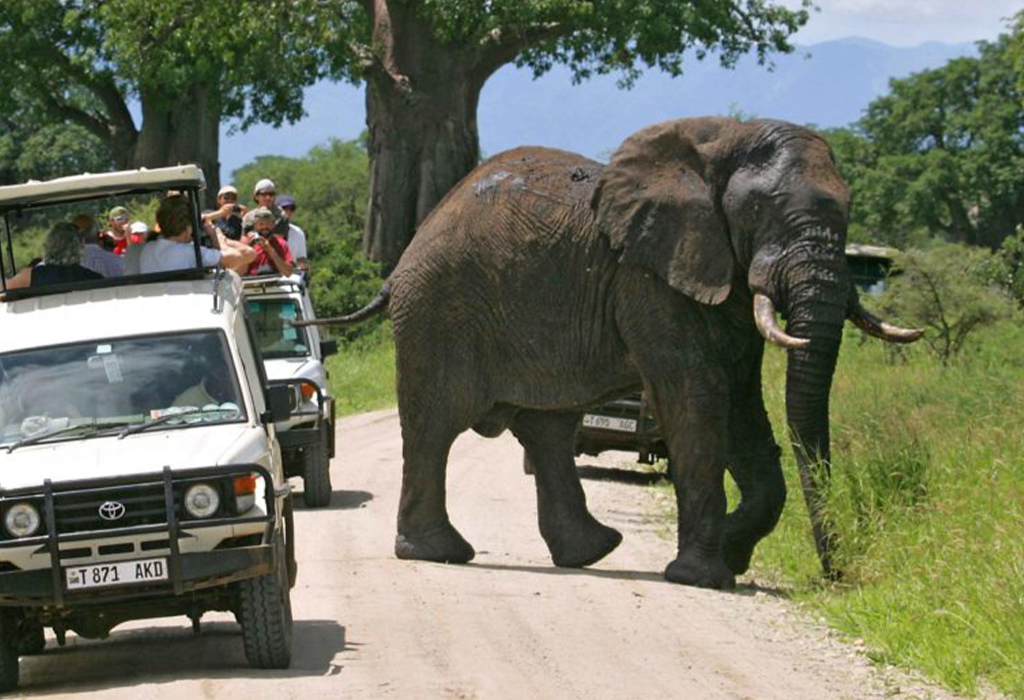
Best Time to Visit Tarangire National Park in Tanzania
December 4, 2025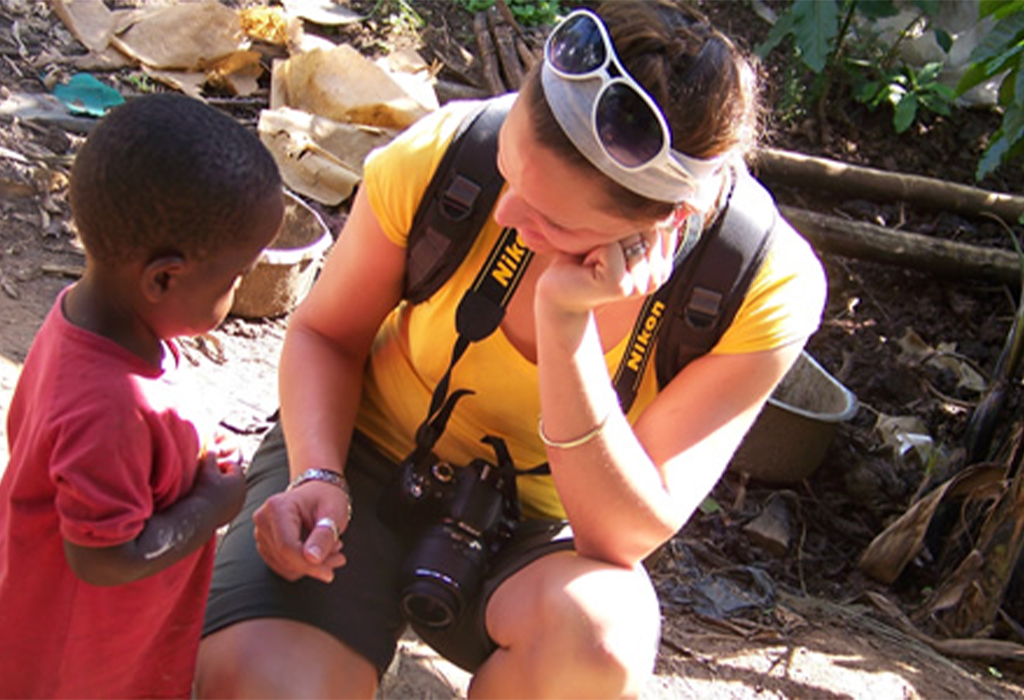
Volunteer and Missionary Tours: Travel with Purpose in Africa
December 4, 2025
Outdoor Body Exercises You Can Do on Safari
Safari life can feel deceptively sedentary. Hours spent in a 4×4 vehicle tracking wildlife often mean prolonged sitting and minimal movement. Yet your body craves activity it needs motion to stay flexible, energized, and strong, especially in a new environment.
The good news? Staying active on safari doesn’t require a gym. Nature itself becomes your wellness space. Whether you are in a luxury lodge or a rustic tented camp, the wilderness invites movement. All you need is your body, a little creativity, and some space under the African sky.
Stretch and Flow with Sunrise Yoga
Early mornings in the African bush are magical. Before your game drive begins, take advantage of the quiet and calm with a gentle yoga session or full-body stretch. The cool air, birdsong, and warm sunrise create the perfect atmosphere for mindful movement.
A simple sun salutation sequence warms up your muscles, opens your hips and shoulders, and mentally prepares you for the day ahead. You don’t even need a yoga mat just a towel or blanket spread across a flat space near your room or lodge deck works perfectly. Some lodges even provide dedicated yoga platforms with sweeping views of the savannah or riverbanks, making the experience unforgettable.
Bodyweight Training Using Nature as Your Gym
You don’t need dumbbells or treadmills for a solid workout. Bodyweight exercises like squats, lunges, and push-ups engage multiple muscle groups and require no equipment. A 15- to 30-minute session can leave you feeling energized and strong.
Start with a quick warm-up: jog in place, do jumping jacks, or march with high knees. Then create a mini circuit try 15 squats, 12 lunges per leg, 10 push-ups, and a 30-second plank. Repeat the cycle two to three times, adjusting based on your energy levels. The key is consistency and enjoying movement with minimal setup.
Strengthen Your Core in the Great Outdoors
Long drives on rough terrain can take a toll on your core muscles, especially your lower back and abdominals. Focused core exercises such as leg raises, sit-ups, bicycle crunches, and planks help relieve tension, build stability, and improve posture.
Even just 10 minutes after lunch or before dinner can make a noticeable difference, helping you feel grounded, strong, and ready for your next adventure.
Turn Guided Walks into Moving Meditation
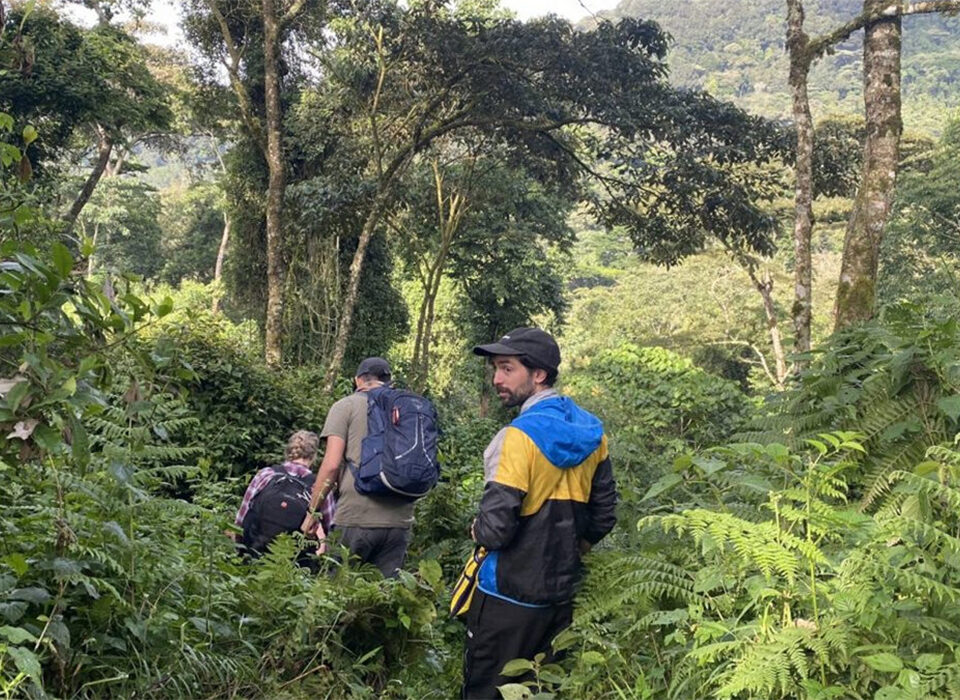
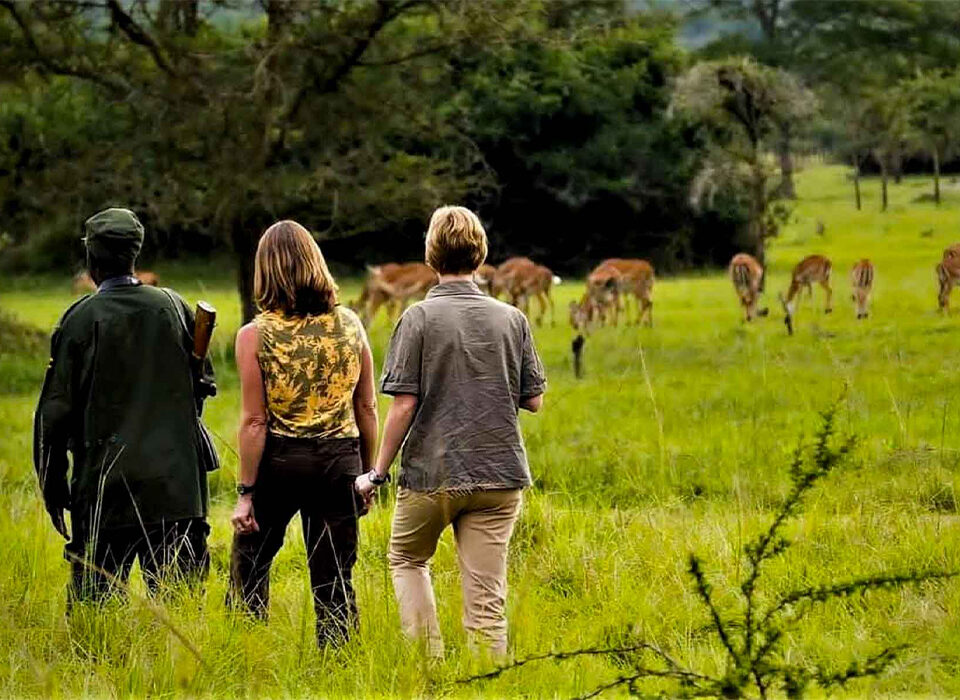
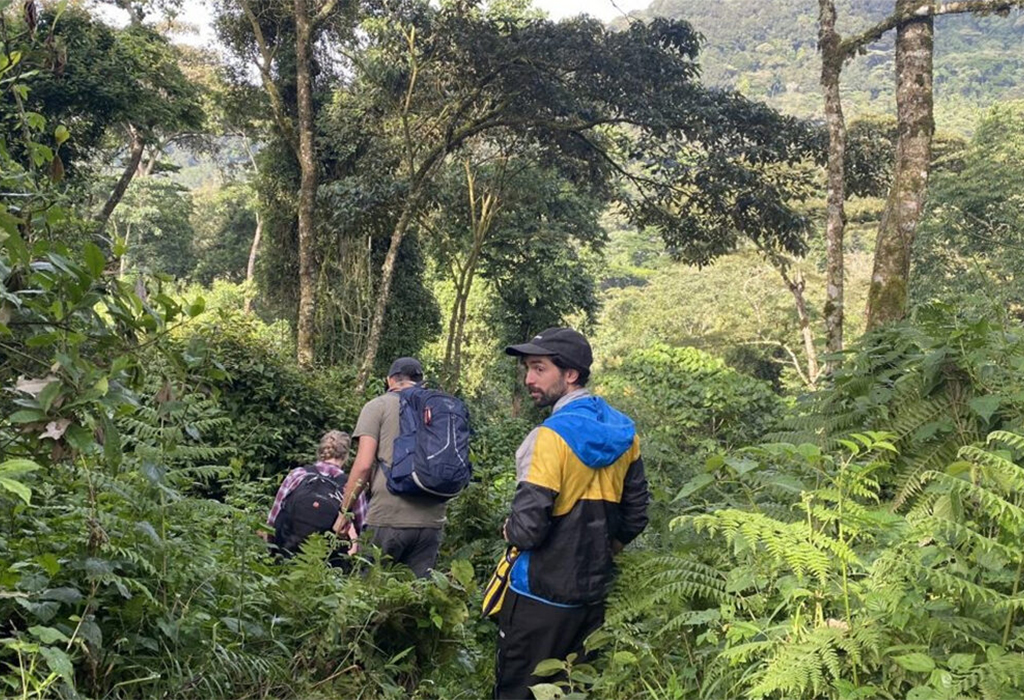
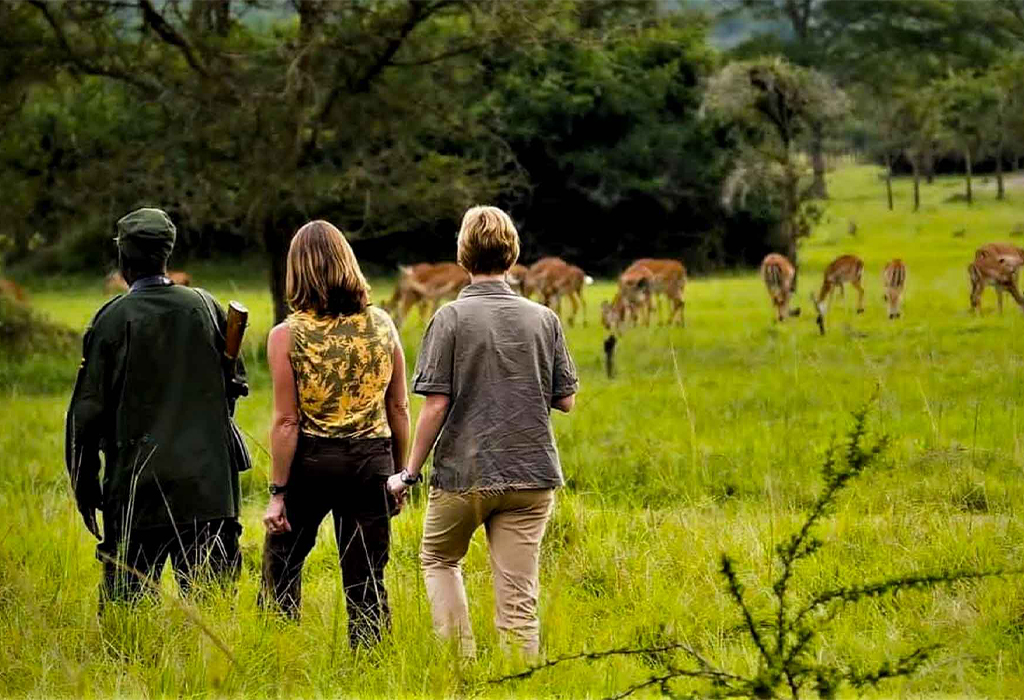
Walking safaris offer a different kind of thrill. Typically conducted in safe areas with trained guides, these walks allow you to stretch your legs and heighten your senses. You become attuned to the smells, sounds, and textures of the landscape, making your exercise both physical and mindful.
Even gentle walks around lodge grounds, nearby villages, or along a lake provide cardio and a mental recharge. You move your body, breathe fresh air, and stay active without it feeling like a chore.
Creative Movement Using Terrain and Surroundings
Your surroundings offer endless opportunities for imprompt workouts. If your lodge has stairs, paths, or gentle hills nearby, use them for walking intervals or stair climbs. Low platforms or benches can serve as perfect props for step-ups or tricep dips, while trails provide space for walking lunges or interval jogs.
These improvised exercises boost your heart rate, strengthen your legs, and prepare your body for long drives, hikes, or further exploration.
Wind Down with Mobility and Breathwork
After a full day of adventure, focus on recovery. Your body needs to reset after bumpy rides and trekking through the wild. Gentle hip circles, shoulder rolls, and seated forward bends help relieve tension. Pair these movements with deep breathing or mindfulness exercises to relax your mind and prepare for a restful night under the stars.
This is also a perfect time to journal, meditate, or reflect on the day’s wildlife sightings—pairing wellness with gratitude.
Final Tips for Staying Fit on Safari
- Pack lightweight workout clothes, a refillable water bottle, and a resistance band if you want added intensity.
- Keep your routine flexible some days may be packed with activities, while others offer more downtime.
- Stay hydrated, as African climates can be hot and dry. Drink plenty of water before, during, and after workouts.
- Listen to your body. The goal isn’t to train hard, but to move with intention, stay healthy, and fully enjoy your time in the wild.
In Summary
Safari doesn’t mean skipping fitness embrace movement in nature:
- Stretch, walk, and train using your body and natural surroundings.
- Use mornings and evenings for mindful exercises like yoga or core work.
- Stay hydrated and bring simple gear to support light workouts.
- Blend wellness with adventure for a truly holistic safari experience.
By weaving movement into your safari, you’ll feel energized, centered, and ready to enjoy every breathtaking encounter with wildlife.