How to Tell the Difference Between a Silverback and a Blackback
December 3, 2025
Political and Safety Environment in Uganda for Tourists During Elections
December 4, 2025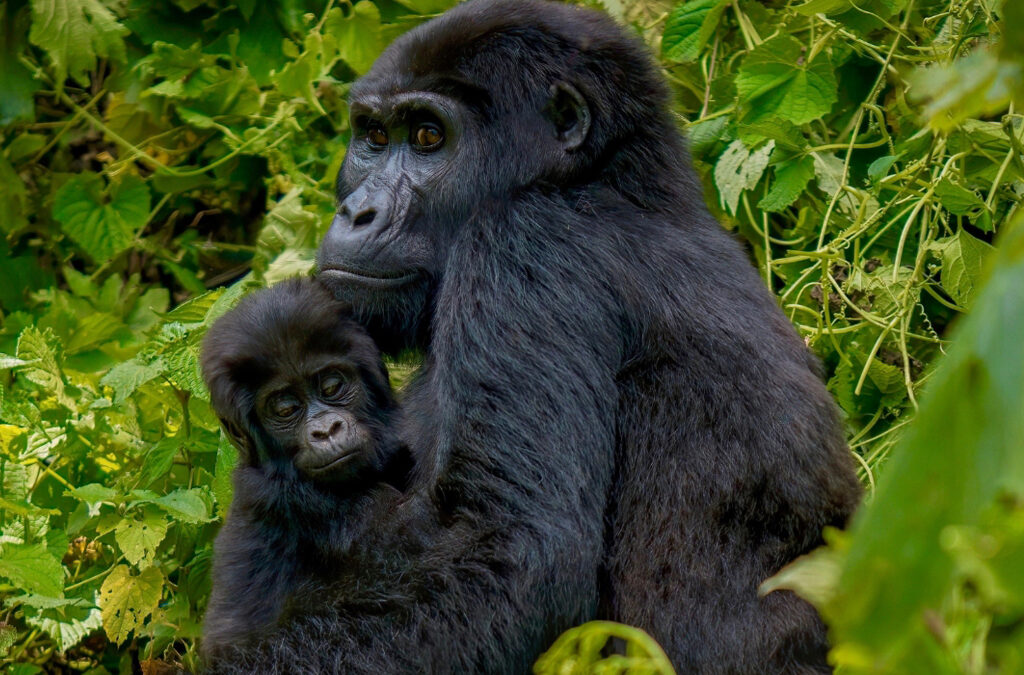
Gorilla trekking remains one of the most powerful wildlife experiences on Earth. Deep within the misty rainforests of East and Central Africa, visitors often find themselves just a few meters from a family of endangered mountain gorillas. This intimate encounter is humbling and unforgettable, yet it carries immense responsibility. Because gorillas share nearly 98 percent of our DNA, they are highly vulnerable to human diseases and disturbances. Their survival depends on strict conservation ethics and respectful tourism practices.
Ethical gorilla trekking involves far more than following park rules. It requires understanding your role in protecting a fragile ecosystem and ensuring that every visit contributes positively to the welfare of gorillas, their forest habitat, and the neighboring communities. This guide explains the principles of responsible gorilla trekking, highlights essential do’s and don’ts, provides a sample itinerary, and offers advice on when to plan your trek.
Understanding Ethical Gorilla Trekking
Ethical gorilla trekking promotes sustainable tourism that balances conservation, community empowerment, and visitor satisfaction. It ensures that gorilla encounters do not endanger the animals’ health or alter their natural behavior. Each trekker becomes part of a delicate conservation equation involving habitat protection, ranger patrols, veterinary interventions, and community livelihoods.
Permit fees play a crucial role. In Uganda, a gorilla permit costs USD 800; in Rwanda it costs USD 1,500; and in the Democratic Republic of Congo it costs around USD 400. These funds support anti-poaching units, monitoring teams, reforestation programs, and community development initiatives. Ethical trekking means respecting the gorillas’ space, following ranger instructions, and minimizing your environmental footprint. It also involves appreciating the cultural significance of local communities, who serve as vital conservation partners.
The Do’s of Responsible Gorilla Trekking
You should begin your journey by securing an official gorilla trekking permit from the respective wildlife authorities. These permits regulate visitor numbers and ensure that your contribution directly supports conservation. As you enter the forest, always follow park regulations. Rangers maintain a safe distance of around seven to ten meters between visitors and gorillas and understand how to interpret the animals’ behavior, ensuring your safety and theirs.
Because gorillas are vulnerable to human illnesses, you should participate only if you feel healthy. Even a mild cold can threaten a gorilla family. Wearing a surgical mask during the encounter has become a standard measure to protect them from respiratory infections.
Supporting local communities also forms a core part of ethical travel. You can buy handmade crafts, dine in local restaurants, and stay in eco-lodges that employ residents. Such choices strengthen conservation partnerships and ensure that communities benefit from tourism.
To reduce your environmental footprint, carry reusable water bottles, avoid single-use plastics, and remain on designated trails. Leaving no trace preserves the integrity of the forest for both wildlife and future visitors.
The Don’ts of Responsible Gorilla Trekking
You should never touch or feed gorillas. Physical contact can transmit diseases or stress the animals, and feeding them disrupts their natural diet and behavior. Likewise, avoid using flash photography because the sudden burst of light can alarm or agitate the gorillas.
Littering, even with seemingly harmless organic waste, disrupts the ecosystem. You must carry all waste out of the forest. Additionally, avoid imitating gorilla behaviors such as chest beating, loud noises, or prolonged direct eye contact. Gorillas may interpret these actions as challenges or threats.
You must also respect the strict one-hour time limit with a habituated gorilla family. This regulated duration reduces stress and allows gorillas to maintain natural daily routines. Uganda’s gorilla habituation experience permits up to four hours with a family, though it follows equally stringent ethical guidelines.
A Sample 4-Day Ethical Gorilla Trekking Itinerary
Your journey begins with arrival in either Kigali or Entebbe, followed by a scenic drive to the gorilla region. As you travel through rolling hills and rural villages, you gain insight into the landscapes and cultures that surround the protected forests. An evening briefing at your lodge introduces conservation goals and trekking guidelines.
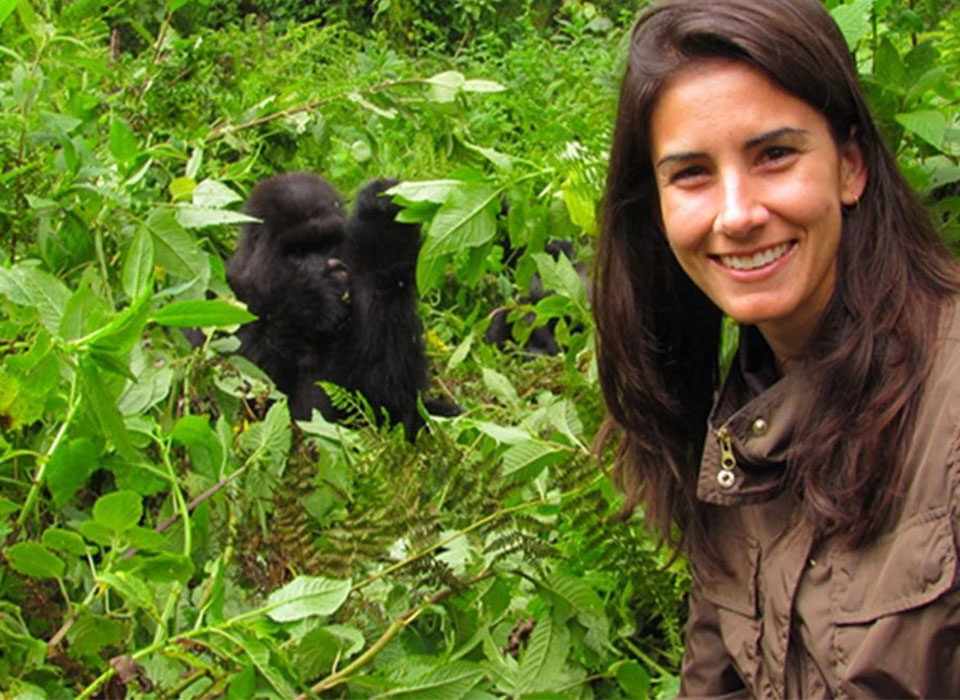
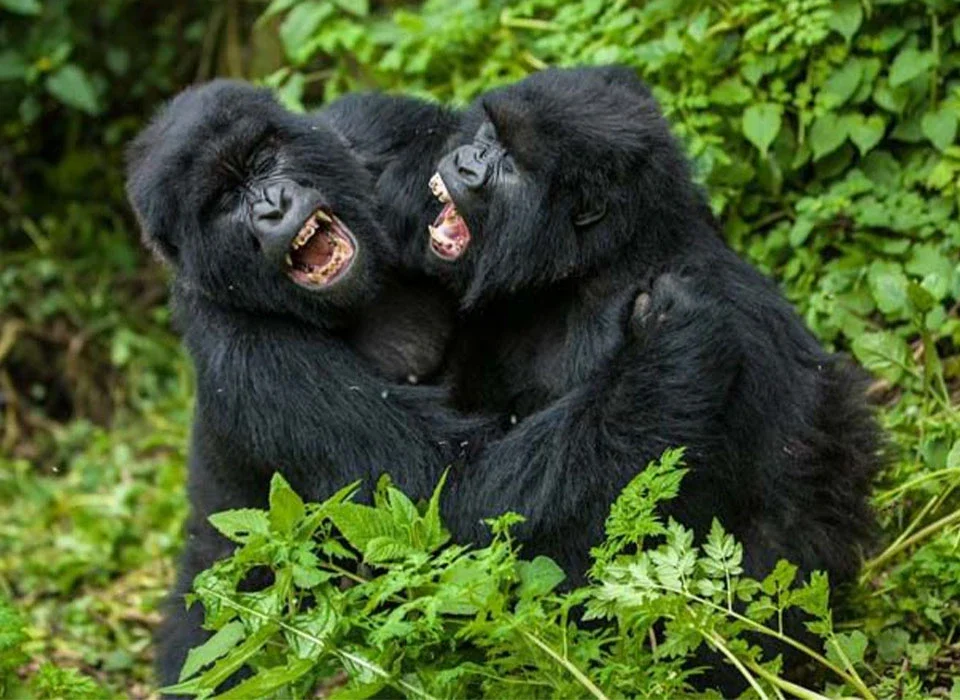
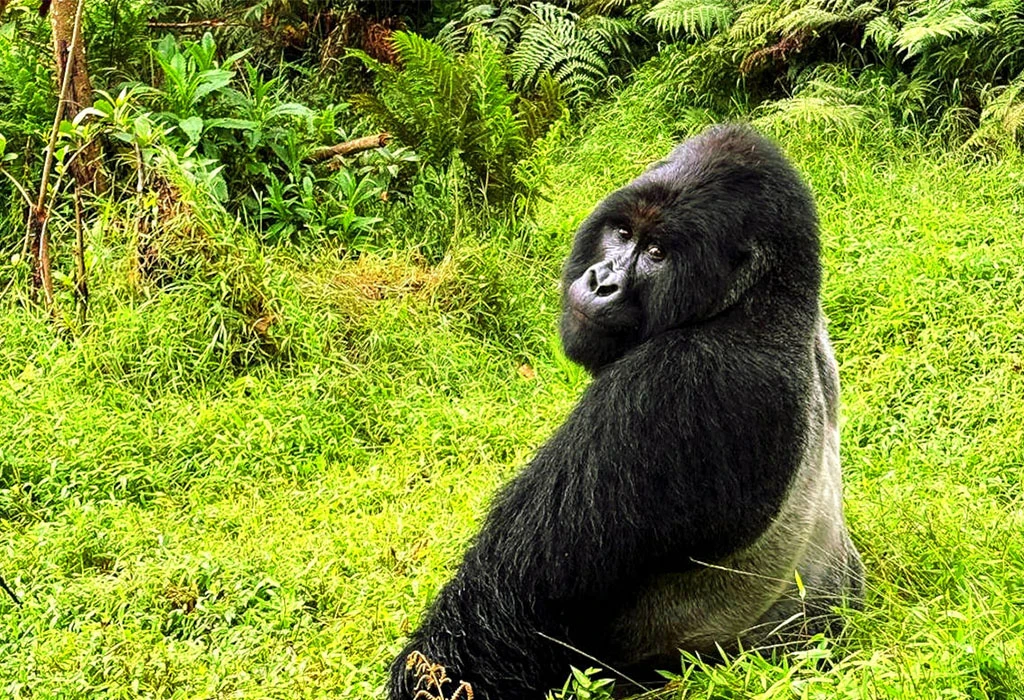
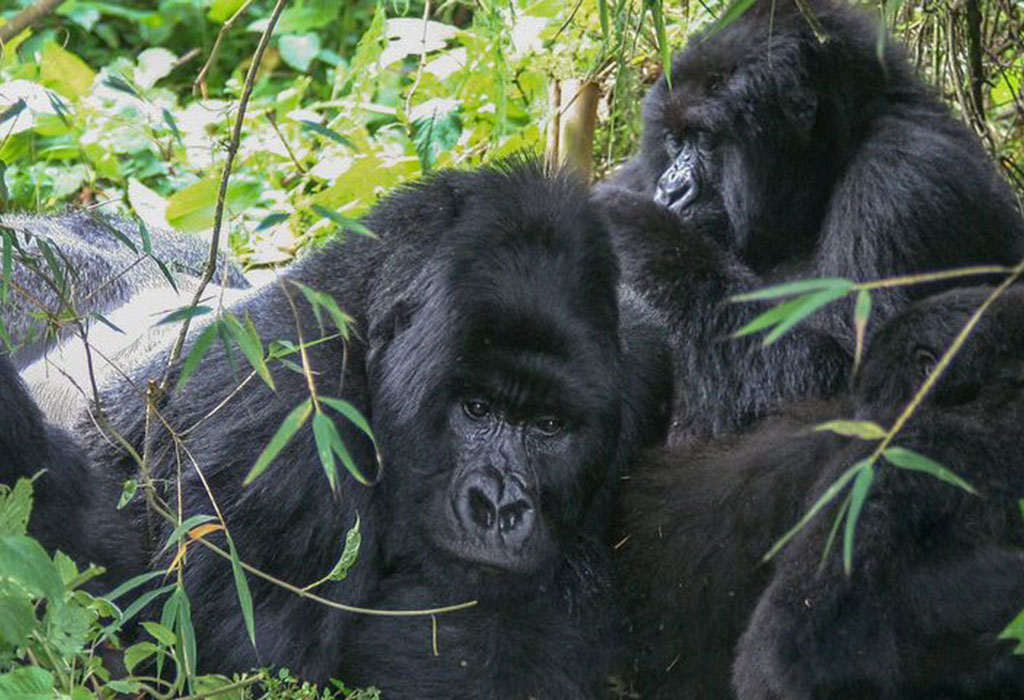
On the second day, you rise early for the main trekking experience. After a detailed briefing, rangers assign you to a specific gorilla family and lead you into the forest. The trek may last from half an hour to several hours, depending on the gorillas’ location. When you finally encounter them, the forest seems to quiet around you. Watching a silverback stand guard, observing mothers care for their infants, and seeing juveniles play freely creates a powerful sense of connection. After your one-hour observation period, you leave the family in peace and return to the trailhead.
You might spend the third day exploring community and conservation initiatives. Guided village walks, cultural performances, craft-making demonstrations, or conservation center visits offer deeper understanding of how tourism supports livelihoods and protects wildlife. Some lodges organize tree planting, school visits, or cultural exchanges to strengthen community involvement.
On the final day, you may relax at the lodge before departing for your next destination. Many travelers extend their stay to enjoy wildlife safaris, birding expeditions, photography tours, or additional cultural experiences.
Best Time for Gorilla Trekking
Gorilla trekking is available throughout the year. However, the dry seasons—June to September and December to February—provide the most comfortable conditions because trails remain more manageable and visibility improves. During these months, gorillas often stay on lower slopes where food is abundant.
The wet seasons from March to May and October to November transform the forest into a lush, vibrant world with fewer visitors. Although trails become muddy and trekking is more challenging, gorillas are often easier to locate because they feed closer to park boundaries. Photographers often prefer these seasons for the atmospheric mist and dramatic forest scenery. Regardless of when you visit, early morning treks typically offer the most active gorilla encounters.
Conservation and Community Impact
Every gorilla trek directly contributes to the survival of this critically endangered species. Permit fees support ranger patrols that deter poachers, veterinary programs that treat injured individuals, and habitat restoration projects. They also fund community initiatives such as clean water systems, schools, and clinics.
Ethical trekking promotes ongoing research and habituation programs that help gorillas adapt to controlled human presence while maintaining their safety. Visitors often become ambassadors for conservation, sharing awareness about the importance of protecting gorillas and their forest home.
Local communities benefit significantly through employment as guides, porters, lodge staff, and artisans. Craft cooperatives, women’s groups, and youth associations frequently create tourism-related products. When communities witness tangible benefits from conservation tourism, they become its strongest defenders.
Preparing for Your Trek
Preparing physically and mentally helps you enjoy the trek safely. Moderate fitness is enough, although regular walking or hiking beforehand improves your comfort on uneven terrain. Pack waterproof hiking boots, long trousers, a lightweight rain jacket, and gloves to protect your hands from vegetation. Carry water, snacks, insect repellent, and a waterproof bag for your camera. Use cameras with good zoom capability, and always keep the flash off. Above all, listen to your guide and maintain quiet respect for the forest, which serves as the gorillas’ home.
Why Ethical Trekking Matters
Mountain gorillas live only in a few protected regions: Bwindi and Mgahinga in Uganda, Volcanoes National Park in Rwanda, and Virunga and Kahuzi-Biega in the Democratic Republic of Congo. Fewer than 1,100 remain in the wild. Tourism has helped their numbers slowly increase, yet irresponsible practices could easily reverse this progress.
Ethical gorilla trekking ensures that visitors become partners in conservation. Responsible travelers respect gorillas as wild beings, not attractions. They understand that the true purpose of trekking is not only to see gorillas but also to help protect them. Every respectful step in the forest strengthens the future of these extraordinary creatures and the communities that safeguard them.
Conclusion
Ethical gorilla trekking is both a privilege and a responsibility. It allows travelers to form a profound connection with one of the world’s most remarkable species while contributing to its protection. By following responsible trekking principles, visitors help preserve the delicate balance between wildlife, nature, and people. The quiet gaze of a silverback reminds us of our shared ancestry and our duty to protect the natural world. When practiced responsibly, gorilla trekking becomes not just an adventure but a transformative act of conservation.