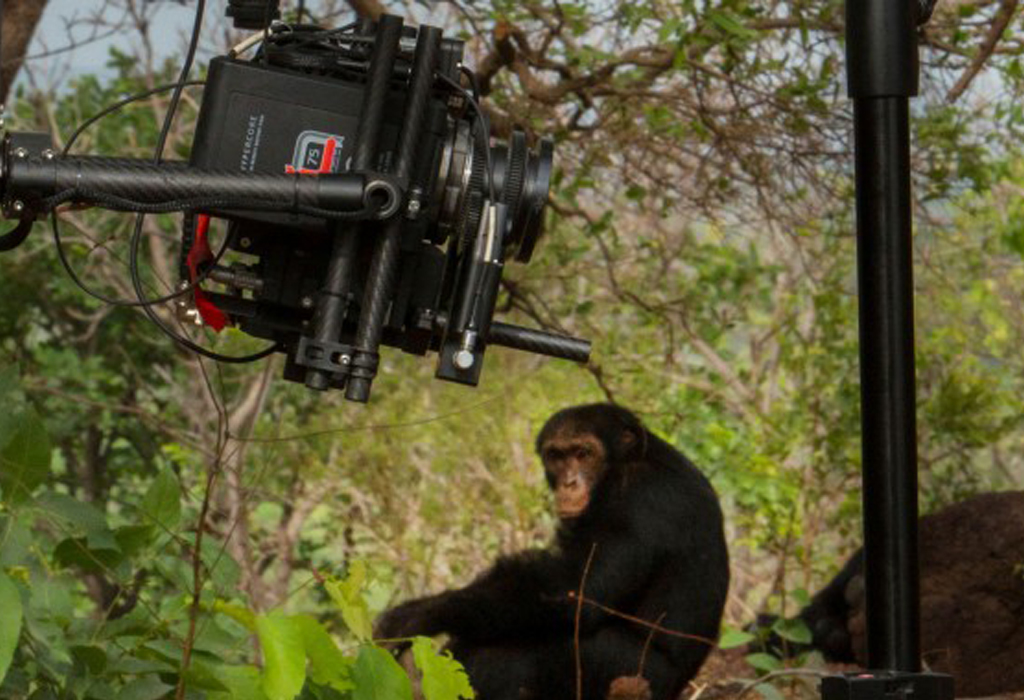
Primate Filming in Uganda: A Complete Guide for Documentary and Wildlife Productions
December 2, 2025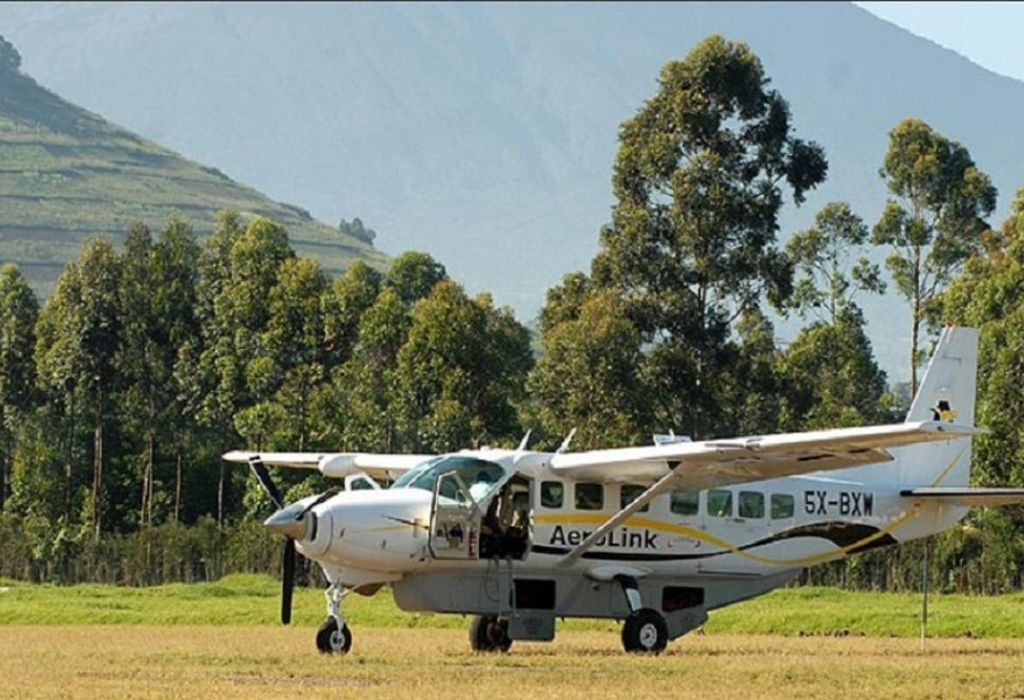
Flying to Kidepo Valley National Park from Entebbe
December 2, 2025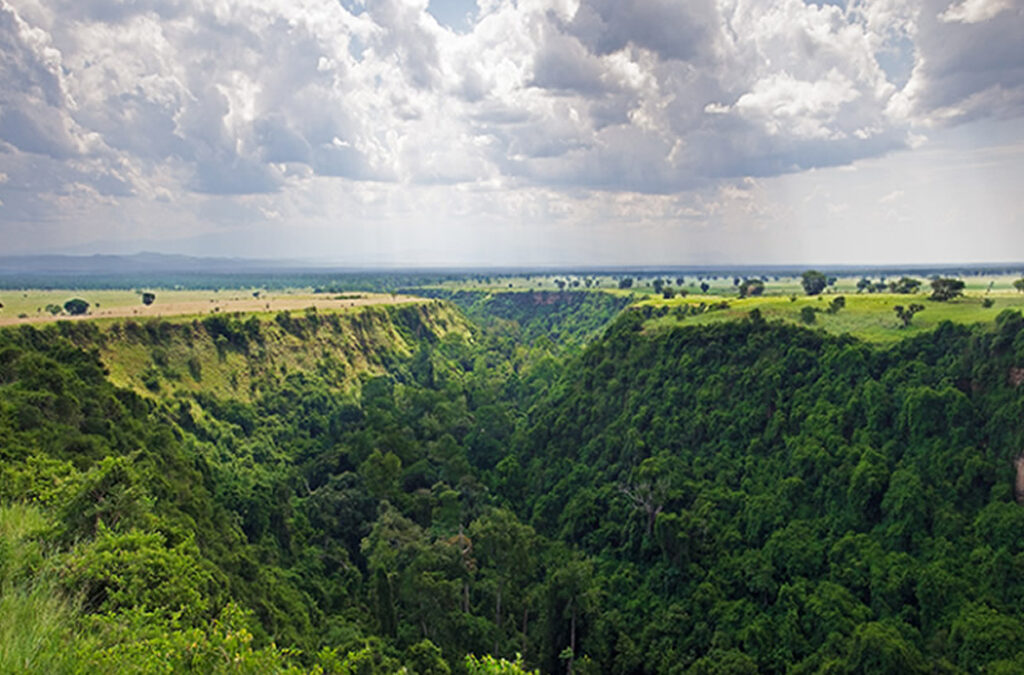
Facts about Kyambura Gorge reveal one of Uganda’s most extraordinary natural wonders an unexpected tropical rainforest hidden deep within the savannah plains of Queen Elizabeth National Park. This dramatic 11-kilometer-long and 100-meter-deep chasm holds a lush world filled with chimpanzees, diverse primate species, and more than 300 bird species. Its unique microclimate, striking landscapes, and ecological significance make the gorge a true sunken paradise that surprises every traveler who descends into its depths.
The Meaning Behind the Name “Kyambura”
The name “Kyambura” comes from the local Runyankole language and translates to “got lost.” This intriguing name reflects the experiences of early travelers and herders who often lost their way in the gorge during the rainy season. The swollen Kyambura River, thick vegetation, and slippery terrain made navigation extremely difficult. Many people disappeared into this natural labyrinth, giving rise to a name that has survived for generations. Today, it remains a reminder of the gorge’s powerful and mysterious character.
Geographic Setting: Where Kyambura Gorge Lies
Kyambura Gorge lies in the eastern section of Queen Elizabeth National Park, a protected area in southwestern Uganda. The park sits within the Western Rift Valley, part of the East African Rift system that shapes much of the region’s dramatic landscape.
Surrounding the gorge is a wide expanse of open savannah dotted with acacia trees. This makes the sudden appearance of a deep, forest-filled chasm even more striking. Because it sits at the intersection of several ecological zones savannah, forest, wetlands, and crater lakes Kyambura Gorge enjoys remarkable biodiversity that sets it apart from its surroundings.
The Geological Story Behind Kyambura Gorge
Kyambura Gorge exists because of the relentless erosive power of the Kyambura River. Originating from the highlands of the Kichwamba escarpment, the river cut deeper and deeper into the earth over thousands of years. As it flowed toward the Kazinga Channel, it carved through soft sedimentary rock and volcanic deposits, forming the dramatic trench we see today.
The gorge stretches for about 11 kilometers, plunging 100 meters below the surrounding plateau. In some places, it widens to nearly a kilometer, while in others, it narrows into steep-walled corridors wrapped in dense tropical forest. These towering cliffs protect the vegetation from savannah fires and grazing animals, allowing a true rainforest ecosystem to thrive in an otherwise open grassland.
Visitors standing on the rim look down into a world that seems completely separate—dark green, humid, and alive with forest sounds creating one of Uganda’s most surreal landscapes.
Ecology and the Vital Role of the Kyambura River
The Kyambura River functions as the lifeline of this sunken ecosystem. It flows throughout the year, supporting animals and vegetation even in the driest months. As other water sources shrink, wildlife from the surrounding savannah descends into the gorge to drink, showing just how interconnected the entire landscape is.
Inside the gorge, the river and steep walls create a cool, moist microclimate. Temperatures remain more moderate than on the savannah, and humidity stays high perfect conditions for rainforest plants that would never survive on the plateau above. This stability allows trees, vines, and thick undergrowth to flourish, creating a green refuge in the middle of a hotter, drier region.
Chimpanzees and Other Primates of Kyambura Gorge
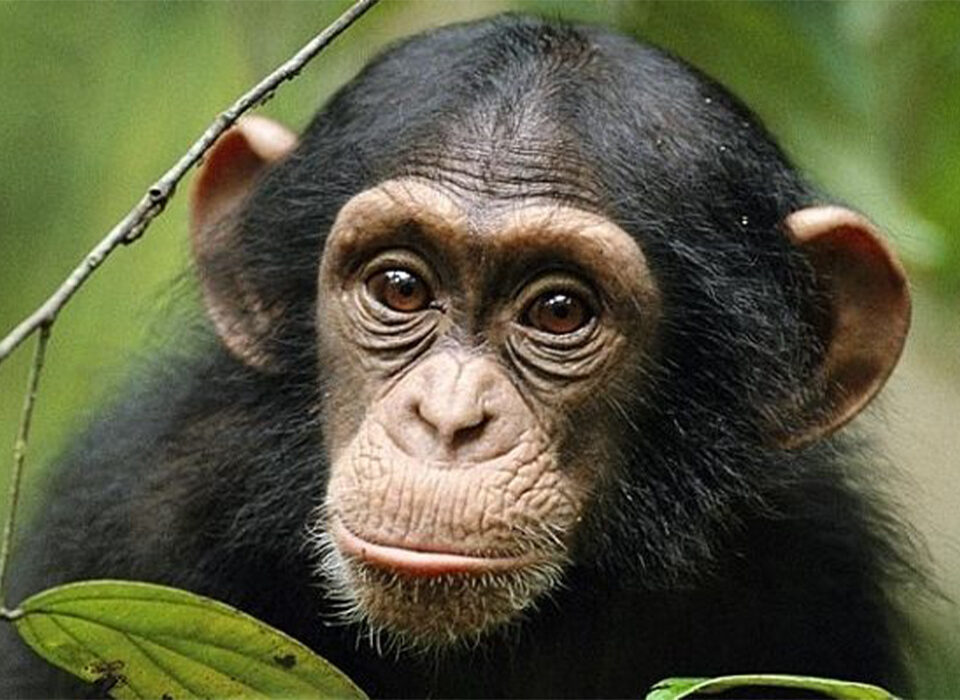
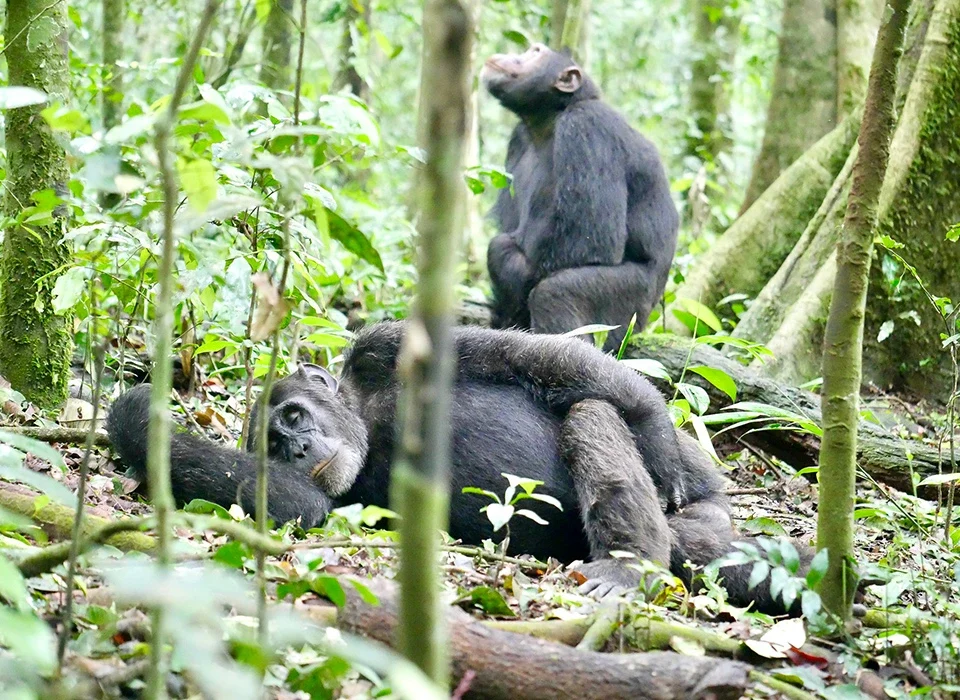
Kyambura Gorge is best known for its small but fascinating community of habituated chimpanzees. These chimpanzees have gradually learned to tolerate human presence, allowing visitors to observe them without disturbing their natural behavior.
Tracking chimpanzees here feels different from experiences in larger forests like Kibale National Park. The chimp population in Kyambura is more isolated and smaller, which means sightings are not guaranteed. However, the thrill of searching for them in such a dramatic landscape makes each encounter even more rewarding.
In addition to chimpanzees, the gorge hosts a rich variety of other primates, including:
- Red-tailed monkeys, known for their quick movements and bright tails
- Black-and-white colobus monkeys, often seen gliding between tall trees
- Olive baboons, commonly spotted on both the savannah slopes and within the forest
This concentration of primates makes Kyambura Gorge a valuable refuge and an exciting destination for primate enthusiasts.
Birdlife: Over 300 Species in One Compact Ecosystem
With more than 300 bird species, Kyambura Gorge stands out as a top birdwatching hotspot in Queen Elizabeth National Park. Its position between forest and savannah means it supports species from both habitats, as well as riverine specialists.
Birdwatchers can look out for:
- Blue-headed bee-eaters
- Various falcon species
- Waterbirds along the river
- Forest-dwelling songbirds hidden in the canopy
Early morning and late afternoon hours bring the most activity, offering excellent opportunities for photography and observation.
Other Wildlife and Guided Nature Walks
Beyond primates and birds, Kyambura Gorge supports a surprising array of mammals. Forest elephants occasionally move through the gorge, just as giant forest hogs forage along the ground. Bushbucks and other antelope species navigate the steep landscape with ease.
Guided nature walks provide the best way to experience the gorge. Skilled guides help visitors descend from the rim to the forest floor, sharing insights about medicinal plants, animal tracks, and the delicate balance that sustains this rare habitat. Every turn reveals something new, from hidden waterfalls to fresh chimp nests and unique plant species.
Conclusion: Why Kyambura Gorge Matters
Kyambura Gorge showcases nature’s remarkable ability to create lush, life-filled worlds in the most unexpected places. This hidden rainforest in the heart of Queen Elizabeth National Park offers more than dramatic scenery it provides essential refuge for wildlife, sustains biodiversity, and offers unforgettable experiences for travelers.
Whether you are tracking chimpanzees, scanning treetops for rare birds, or simply soaking in the majesty of this sunken wonder, Kyambura Gorge delivers a journey that highlights Uganda’s extraordinary natural heritage and the importance of preserving such rare ecosystems.