Uganda Wildlife Safari: Top Parks to Explore
November 20, 2025
Uganda Safari Holidays: Complete Guide
November 20, 2025
Uganda Gorilla Trekking Tours Explained
Uganda is one of the world’s most remarkable destinations for gorilla trekking, a country where mist-draped mountains, ancient forests, and rich biodiversity create the perfect backdrop for encounters with one of Earth’s most extraordinary species: the mountain gorilla. For many travelers, a gorilla trekking tour in Uganda is the highlight of their entire African adventure, an emotional and deeply moving experience that blends adventure, nature, conservation, and culture. Whether you are planning your first trek or returning to deepen your connection with these gentle giants, understanding what Uganda gorilla trekking tours entail will help you prepare more confidently, choose the right experience, and fully appreciate the magic of meeting mountain gorillas in their natural habitat.
Understanding Mountain Gorillas and Their Habitat
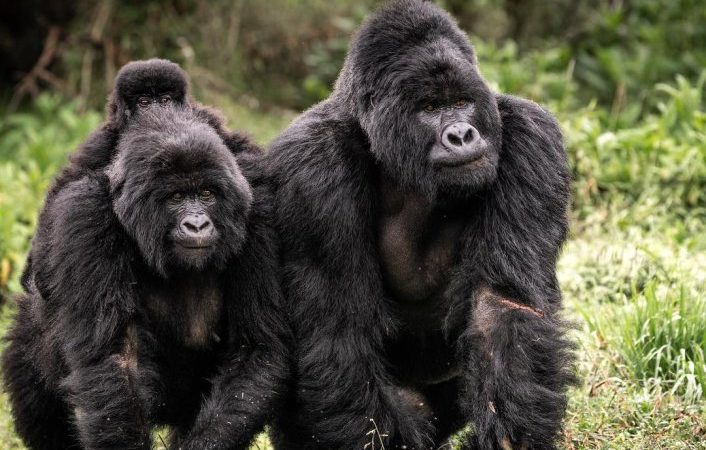
Mountain gorillas are among the rarest primates on the planet, found only in the forested volcanic mountains of Uganda, Rwanda, and the Democratic Republic of Congo. Unlike lowland gorillas, mountain gorillas cannot survive in captivity, which means the only place in the world to see them is inside their natural environment. Uganda is home to more than half of all surviving mountain gorillas, making it the ultimate destination for trekking.
These incredible primates inhabit the dense slopes of Bwindi Impenetrable National Park and the volcanic forests of Mgahinga Gorilla National Park. Their habitat is characterized by steep hillsides, thick undergrowth, giant fern forests, ancient trees, and cool mountain air. This environment supports rich biodiversity and creates an immersive trekking experience that feels raw, rugged, and magical.
Why Uganda Is the Top Destination for Gorilla Trekking
Travelers choose Uganda for several important reasons. Uganda offers a high number of habituated gorilla families available for trekking, increasing the likelihood of securing a permit and ensuring varied trekking experiences. The trekking terrain in Uganda is authentic, wild, and adventurous, giving travelers a sense of achievement once they meet their assigned gorilla family.
Another major advantage is cost. Gorilla trekking permits in Uganda are more accessible compared to those in neighboring countries, making Uganda the ideal choice for budget-conscious travelers who still want a premium wildlife experience. Uganda also offers the special gorilla habituation experience, a unique opportunity that gives visitors more time with gorillas—an option not available in many other regions.
Gorilla Trekking in Bwindi Impenetrable National Park
Bwindi is the crown jewel of Uganda’s gorilla trekking industry. This UNESCO World Heritage Site is known for its dense vegetation, steep slopes, and dramatic landscapes. The park is divided into four trekking regions: Buhoma, Ruhija, Rushaga, and Nkuringo. Each region hosts multiple habituated gorilla families, offering different trekking experiences based on terrain, group size, and proximity to accommodations.
A typical gorilla trek in Bwindi begins early in the morning with a detailed briefing conducted by Uganda Wildlife Authority rangers. The briefing covers safety guidelines, trekking etiquette, gorilla behavior, and what to expect in the forest. Trekkers are then assigned to a gorilla family group based on their fitness level and preference.
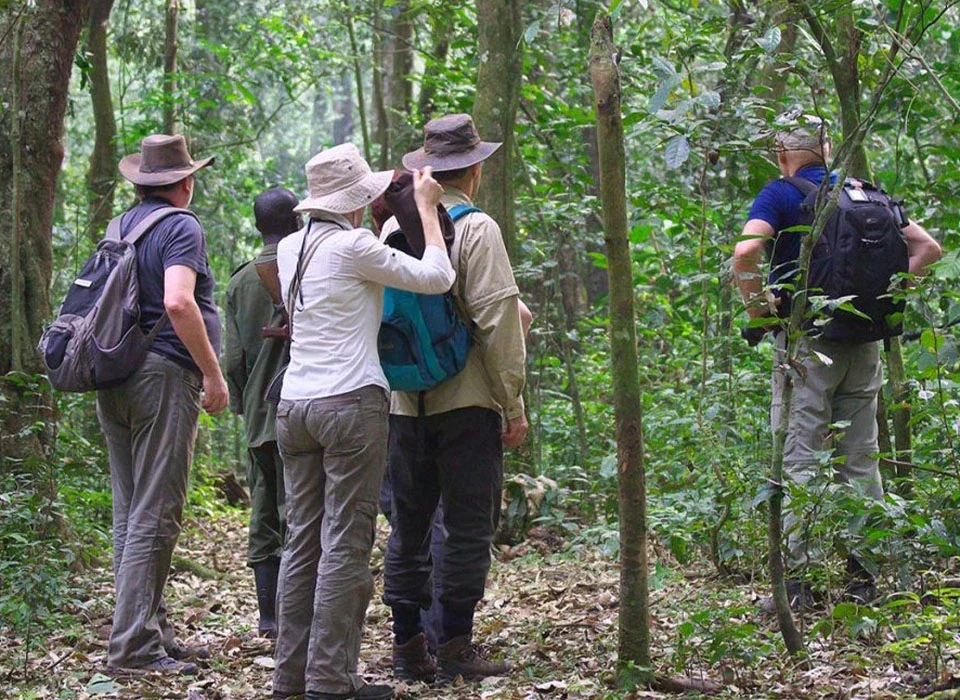
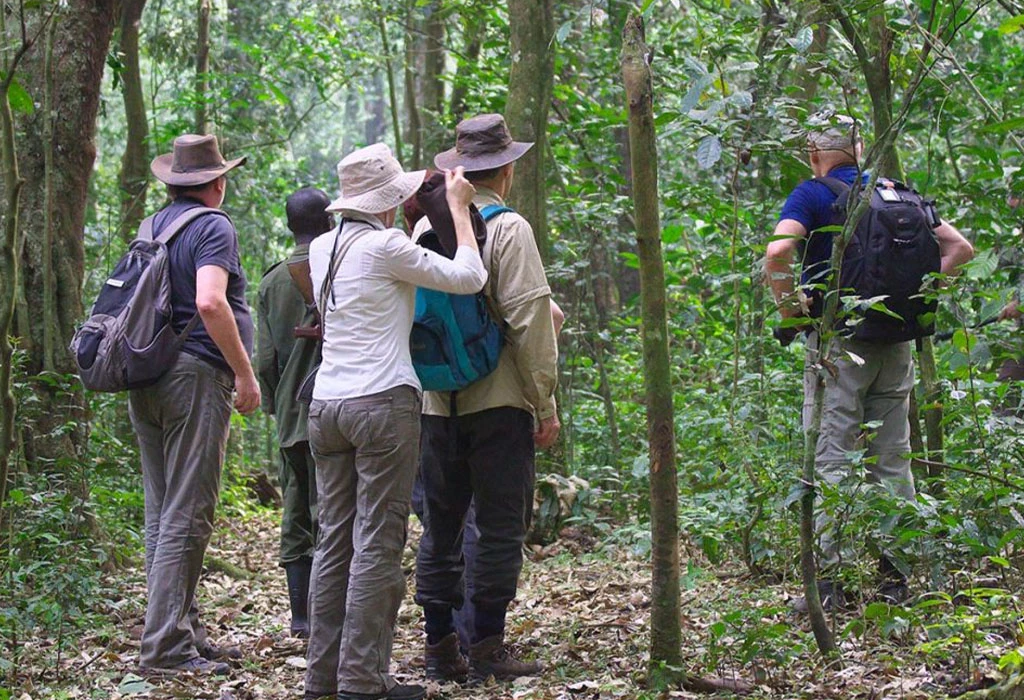
The trek itself can take anywhere from one to six hours depending on the gorillas’ movements. The forest is thick, and paths may be muddy, steep, or completely wild, but every step brings you closer to a once-in-a-lifetime encounter. When you finally reach the gorilla family, the ranger signals the group to put away any noise, lower voices, and prepare for an unforgettable hour. Observing the gorillas as they feed, groom, play, or rest in their natural environment is an experience that evokes deep emotion and admiration.
Gorilla Trekking in Mgahinga Gorilla National Park
For travelers seeking a quieter and more intimate trekking experience, Mgahinga Gorilla National Park offers an exceptional alternative to Bwindi. The park forms part of the larger Virunga conservation area, sharing borders with Rwanda and the Democratic Republic of Congo. Its landscapes are dominated by the volcanic peaks of Mount Sabyinyo, Mount Gahinga, and Mount Muhabura.
Mgahinga is home to the Nyakagezi gorilla family, known for its stability and rich family structure. Trekking in Mgahinga often provides easier-to-navigate terrain, bamboo forests, and sweeping views of the volcanic mountains. The atmosphere is serene, making the experience feel exclusive, personal, and deeply connected to nature.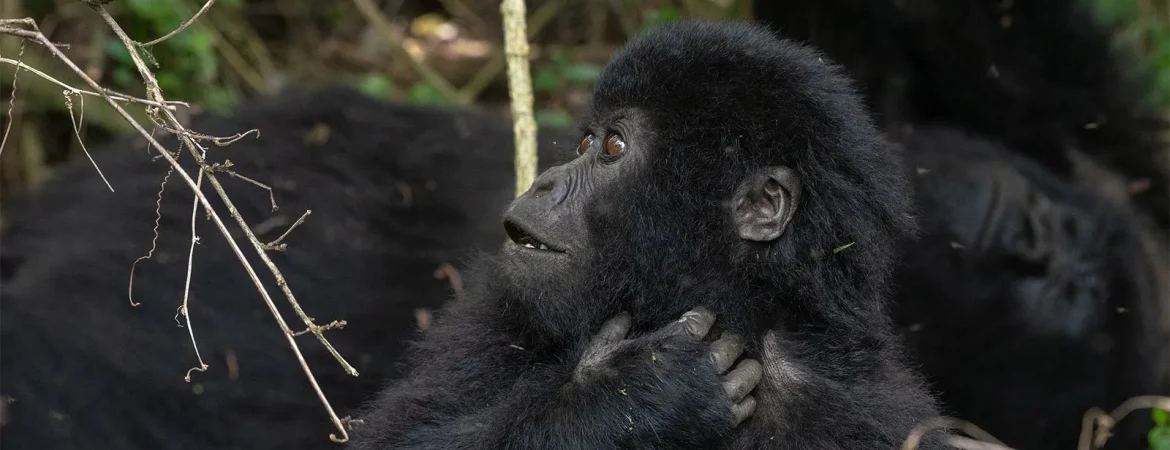
Gorilla Habituation Experience in Uganda
Beyond standard trekking, Uganda offers one of the world’s most extraordinary wildlife activities: the gorilla habituation experience. Available only in the Rushaga sector of Bwindi, this experience allows travelers to spend up to four hours with a semi-habituated gorilla family. These gorillas are in the process of getting accustomed to human presence, and the experience is guided by researchers, trackers, and conservationists.
During habituation, visitors observe gorillas as they feed, interact, communicate, and gradually warm up to the presence of humans. The extended time allows photographers, researchers, and wildlife enthusiasts to gain a deeper understanding of the species. For those seeking a more scientific and immersive encounter, habituation is the ultimate gorilla trekking adventure.
Trekking Difficulty and Physical Preparation
Gorilla trekking is a physical outdoor adventure that requires moderate fitness. The terrain is uneven, steep, and often muddy due to the rainforest climate. Trekkers should be prepared for challenging ascents and long walks in humid conditions. However, the trek is manageable for most people, including older travelers, and porters are always available to help carry backpacks or assist with difficult sections of the trail.
Preparing physically through hiking, walking, or stair climbing before your trip can make the experience more comfortable. Mental readiness is equally important—trekking requires patience and a willingness to embrace the unpredictability of nature.
Safety Guidelines and Etiquette During Gorilla Encounters
Because mountain gorillas are endangered and highly sensitive to human presence, strict guidelines are enforced to protect both gorillas and visitors. Trekkers must maintain a safe distance, avoid direct eye contact for prolonged periods, and speak in low voices. Touching gorillas is prohibited. Anyone showing symptoms of illness is discouraged from trekking to prevent transmitting diseases to the gorillas.
Cameras are welcome, but flash photography is not allowed. Eating near gorillas is also prohibited. These guidelines ensure that the experience remains ethical, sustainable, and beneficial to conservation efforts that have helped mountain gorilla populations grow steadily in recent decades.
What to Pack for Your Gorilla Trek
Packing properly enhances your trekking comfort. Essential items include waterproof hiking boots, long trousers, long-sleeved shirts, gardening gloves for grabbing vegetation, a lightweight rain jacket, and a small backpack. A walking stick—often provided at the trekking start point—helps with stability on slippery terrain. Water, energy snacks, insect repellent, and a good camera with a silent shutter are also important. Hiring a porter is highly recommended as it supports local communities and makes the trek easier.
Best Time to Visit Uganda for Gorilla Trekking
Gorilla trekking is offered year-round, but the best times to visit are the dry seasons: June to September and December to February. During these months, trails are less muddy, and trekking conditions are easier. However, the rainy seasons offer lush, green scenery and fewer crowds. Gorilla sightings remain consistent regardless of season because trained trackers monitor the gorillas daily.
Conservation Impact of Gorilla Trekking
One of the most inspiring aspects of Uganda gorilla trekking tours is their direct impact on conservation. Revenue from trekking permits funds ranger salaries, community development projects, anti-poaching patrols, and conservation initiatives. Local communities benefit through employment and tourism-driven opportunities, strengthening their support for gorilla protection. By participating in a gorilla trek, travelers play an active role in safeguarding one of the world’s most endangered species.
Book Your Uganda Gorilla Trekking Tour with Experiya Tour Company
For a seamless, personalized, and unforgettable gorilla trekking experience in Uganda, travelers are encouraged to book their journey with Experiya Tour Company. With expert local guides, deep knowledge of gorilla habitats, and carefully curated safari itineraries, Experiya ensures every traveler enjoys a safe, magical, and meaningful adventure. Whether you’re planning a standard trek, habituation experience, or a multi-park safari, Experiya Tour Company will help you craft the perfect journey through Uganda’s breathtaking gorilla destinations.