
What local dishes should I try in Nairobi?
November 20, 2025
Can I find vegetarian food on safari?
November 20, 2025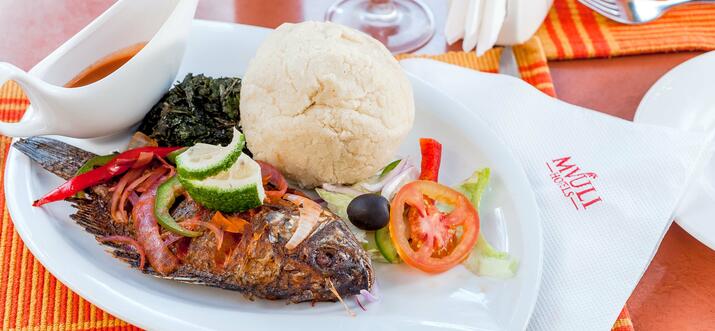
What’s Ugali and How Is It Eaten?
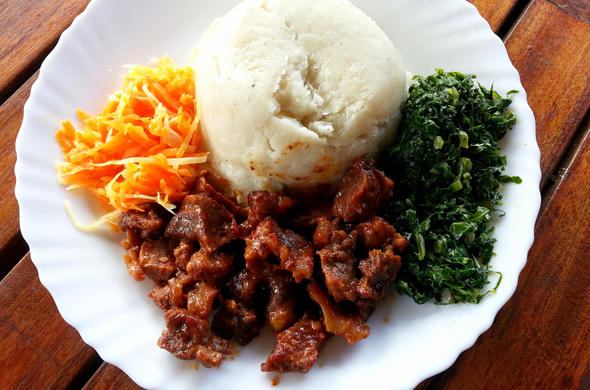
Ugali is more than just food in Kenya—it is a cultural anchor, a culinary symbol, and a beloved staple that carries memories, traditions, and identity. For millions of Kenyans, ugali is comfort, home, nourishment, and heritage all served on one plate. Visitors encountering Kenyan cuisine for the first time often ask: What’s ugali and how is it eaten? The answer opens a doorway into one of East Africa’s most cherished food traditions.
Ugali is a simple dish made by mixing maize flour (cornmeal) with hot water and stirring until it thickens into a firm, dough-like consistency. While the ingredients are basic, the process, symbolism, and experience surrounding ugali run much deeper. Across Kenya and much of East Africa, ugali accompanies everyday meals, special gatherings, celebrations, and even traditional ceremonies. It is a dish that brings people together, encourages sharing, and invites travelers to immerse themselves in local culture through taste and ritual.
To understand ugali fully, we must explore its origins, preparation, variations, cultural significance, and the proper (and joyous) way to eat it in Kenya.
The Origins of Ugali
Maize, the main ingredient of ugali, was introduced to Africa centuries ago through trade routes connecting the Americas, Europe, and Africa. Over time, maize gradually became a staple crop across Kenya, Tanzania, Uganda, Malawi, Zambia, and other regions. Before maize arrived, many communities used sorghum and millet to prepare similar stiff porridges. But maize proved easier to cultivate, store, and cook, eventually becoming the foundation of everyday meals.
Ugali—known by various names across Africa—is called posho in Uganda, nsima in Malawi, sadza in Zimbabwe, pap in South Africa, and bugali or sembe in parts of Congo and Tanzania. Regardless of the name, its significance remains similar: it is an affordable, nutritious, filling base dish that pairs well with vegetables, meats, and stews.
In Kenya today, ugali is central to food culture. Whether enjoyed in rural homesteads or urban eateries, it remains a staple that transcends class, region, and occasion.
How Ugali Is Prepared
Though ugali has only two ingredients, preparing it well requires skill and practice. The process is rhythmic, deliberate, and often performed by someone experienced in managing heat, texture, and consistency.
Here’s how ugali is traditionally made:
A pot of water is brought to a rolling boil.
Maize flour is sprinkled into the water while stirring with a sturdy wooden spoon called a mwiko.
The mixture thickens quickly, demanding strength to stir and press it against the pot’s sides.
More flour is added until the ugali reaches a firm, smooth consistency.
The cook uses the mwiko to shape it into a mound, often flipping it expertly.
Once ready, it is turned onto a plate or wooden board.
The result is a warm, dense, slightly coarse mound of maize—the perfect foundation for a hearty Kenyan meal.
The Taste and Texture of Ugali
Ugali has a neutral, slightly nutty flavor and a firm, dough-like texture that pairs beautifully with intense stews, vegetables, and meats. Its simplicity is its strength. Instead of overpowering other dishes, ugali complements them, balancing flavors and offering satisfying substance.
Ugali is typically eaten hot or warm, when its texture is soft and pliable. As it cools, it becomes firmer, remaining enjoyable even at room temperature.
 How Ugali Is Eaten in Kenya: Tradition, Etiquette, and Joy
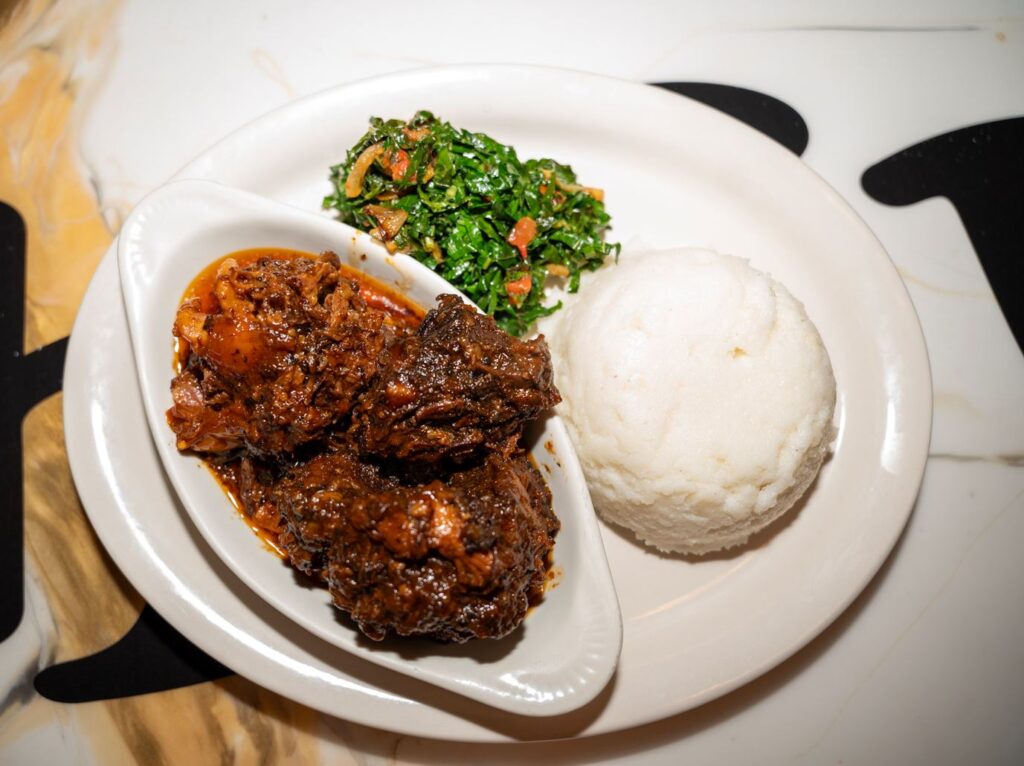
Learning how to eat ugali the Kenyan way is an intimate cultural experience. It is usually eaten with the hands, although utensils can be used when necessary. The communal aspect of ugali eating reflects Kenyan values of sharing, family, and connection.
Here’s how ugali is traditionally eaten:
1. Break off a small piece with your fingers
Using your right hand (as per traditional etiquette), you pinch off a bite-sized piece of ugali. The right hand is preferred due to cultural norms regarding cleanliness and symbolism.
2. Shape it into a small ball
You roll the ugali gently between your fingers and palm to create a small, soft ball. This ball forms the “scoop.”
3. Indent it with your thumb
Press your thumb into the ball to create a slight hollow. This indentation acts like a spoon for scooping.
4. Scoop stew, vegetables, or meat
Ugali pairs wonderfully with dishes like:
Sukuma wiki (collard greens)
Beef or goat stew
Tilapia or fried fish
Matumbo (tripe)
Beans, peas, or lentils
Mboga kienyeji (traditional vegetables)
Egg curry or chicken
You scoop, lift, and enjoy.
5. Eat with friends and family
Many Kenyan meals are communal. Ugali encourages conversation, laughter, and shared experiences.
The tactile nature of eating ugali with your hands strengthens the connection with the food, creating a sensory and cultural bond.
Popular Kenyan Dishes Served With Ugali
Ugali shines brightest when paired with the right dishes. Some of the most beloved combinations include:
Ugali na Sukuma Wiki
A classic pairing found in almost every Nairobi household and eatery. The slight bitterness of sukuma complements the warm neutrality of ugali beautifully.
Ugali na Nyama Choma
A celebration favorite. The smoky, grilled meat combined with ugali and kachumbari (fresh tomato-onion salsa) is a Kenyan masterpiece.
Ugali na Samaki (Fish)
Especially popular around Lake Victoria and coastal regions. Fried or steamed tilapia with ugali is adored nationwide.
Ugali na Omena
Small, dried silverfish cooked with tomatoes and onions. A Lake Victoria specialty beloved for its rich flavor.
Ugali na Mboga Kienyeji
Traditional vegetables like managu, terere, or kunde provide healthy and earthy complements.
Ugali na Matumbo
Tripe stew, often spiced and served hot, is a popular Nairobi delicacy.
Each pairing highlights different aspects of Kenyan culinary identity.
Cultural Significance of Ugali in Kenya
Beyond nourishment, ugali has deep cultural importance in Kenyan society.
A Symbol of Unity
Ugali brings families together around a shared table.
A Marker of Identity
It is instantly recognizable as “Kenyan food,” binding communities across tribes.
A Food of Celebration
Ugali appears at weddings, births, ceremonies, and holidays.
A Comfort Food
For many Kenyans, ugali represents warmth, home, and childhood memories.
A Source of Strength
It is often associated with energy and vigor, especially among farmers and workers.
Ugali is woven into the social fabric of Kenya in ways that go far beyond the kitchen.
Variations of Ugali Across Kenya
While maize ugali is the most common, there are fascinating regional variations:
Brown Ugali (Ugali ya Wimbi or Millet Ugali)
Popular in western Kenya; darker, richer, and more nutritious.
Sorghum Ugali (Ugali ya Mtama)
Common in coastal and lakeside communities.
Cassava Ugali
Often prepared in mixed form with maize or millet.
Irio and Mukimo
While not exactly ugali, these mashed dishes are close relatives.
Different communities use different grains depending on climate, culture, and tradition.
Why Travelers Should Try Ugali in Nairobi
Nairobi is the perfect place for travelers to enjoy authentic ugali experiences:
Local eateries offer freshly prepared ugali with traditional sides.
High-end restaurants serve gourmet interpretations.
Street food stalls provide affordable and hearty meals.
Homestay experiences allow travelers to learn how to cook ugali firsthand.
Trying ugali is the easiest and most delicious way to connect with Kenya’s food culture.
So, What’s Ugali and How Is It Eaten?
Ugali is Kenya’s iconic dish—a simple, wholesome, and deeply meaningful food enjoyed daily across the country. It is eaten with the hands, shared among friends and family, and paired with delicious stews, vegetables, and meats. For travelers, tasting ugali is not just a meal—it is an immersion into Kenya’s cultural heart.
Experience Kenya’s Cuisine With Experiya Tour Company
For travelers who want to explore Kenya’s culinary heritage, cultural traditions, and authentic local experiences, Experiya Tour Company offers guided Nairobi food tours, cultural excursions, and immersive homestay visits where you can learn how to cook ugali and enjoy it the traditional way. Their expert guides will introduce you to the best local eateries and dishes. For a meaningful and delicious journey through Kenya’s flavors, book your trip with Experiya Tour Company.