
Conservation-Focused Gorilla Tours in Uganda
February 17, 2026
Gorilla Encounters on a Guided Trek in Uganda
February 17, 2026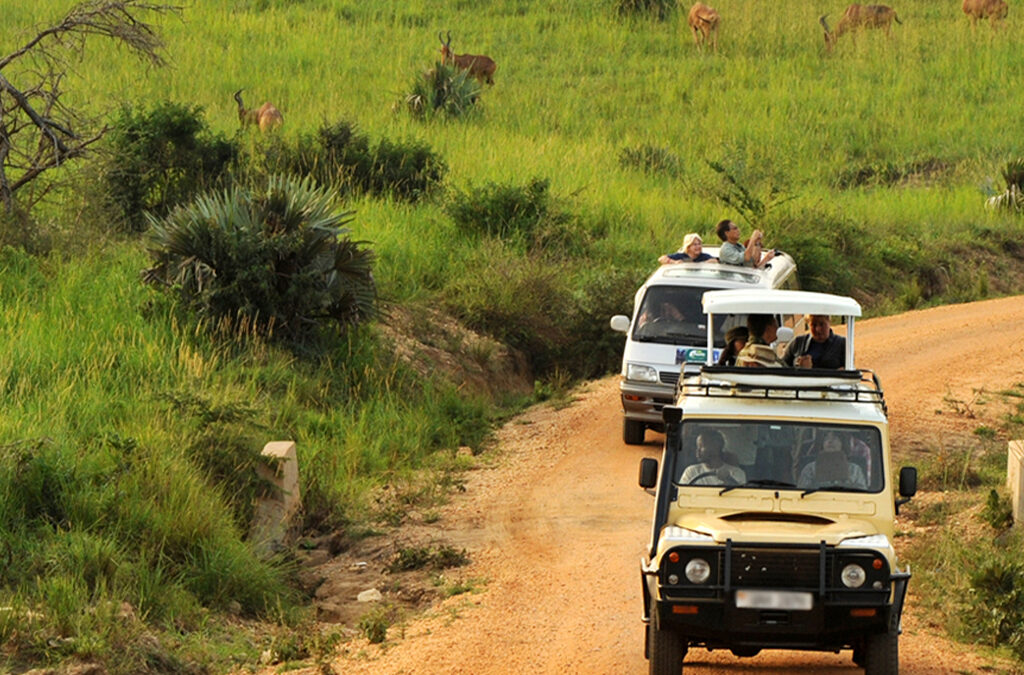
When planning a Uganda safari, the question of park entry fees is often a point of confusion. To keep your budget transparent and your planning simple, it’s best to view these costs as separate building blocks. Game drives offer unforgettable experiences: exploring vast landscapes, spotting the Big Five, and witnessing Uganda’s remarkable biodiversity. However, the costs associated with a game drive can be complex, and knowing what is included and what isn’t ensures a smooth, stress-free journey.
Understanding Park Entry Fees and Their Purpose
Before answering whether park entry fees are included in a game drive, it’s important to understand what these fees cover. Park entry fees are mandatory charges set by the Uganda Wildlife Authority or other park authorities. They help maintain conservation areas, fund anti-poaching initiatives, and support local communities living near the parks. Far from being just a cost, these fees directly contribute to preserving Uganda’s natural treasures.
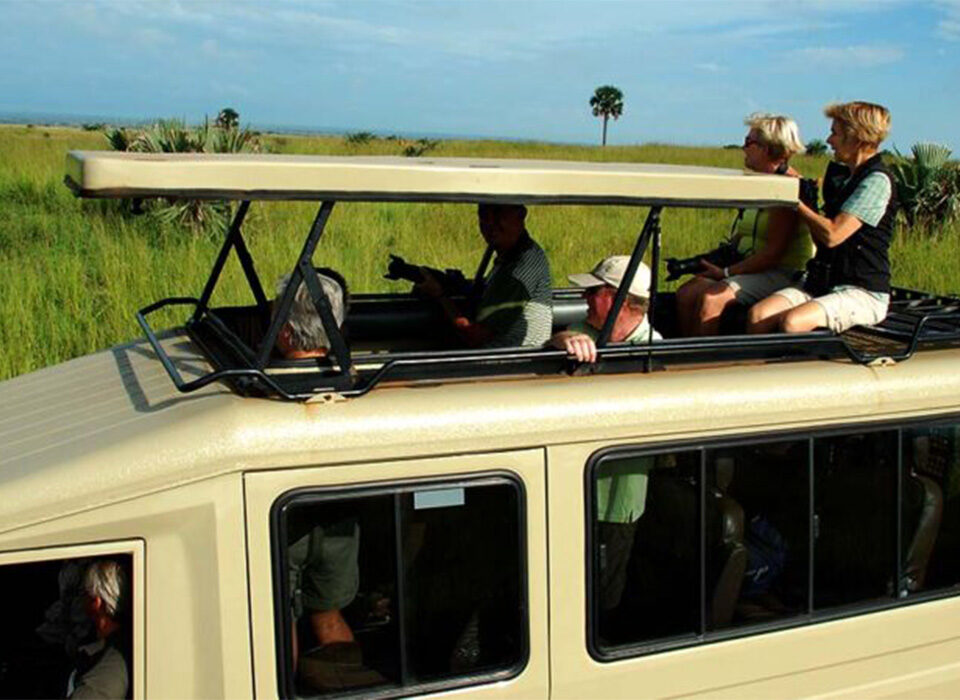
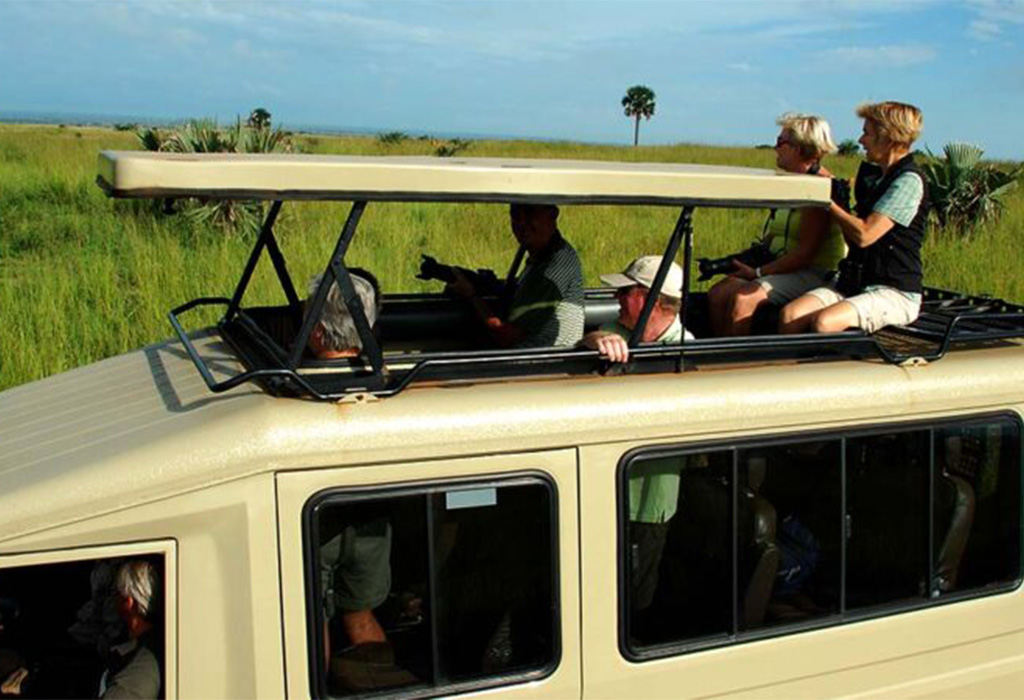
A typical Uganda wildlife safari takes you through protected reserves such as Murchison Falls National Park, Queen Elizabeth National Park, or Kidepo Valley National Park. Each park has its own entry fee, usually valid for 24 hours. These fees are separate from the cost of a game drive, which covers the vehicle, driver-guide, fuel, and sometimes refreshments. Some safari packages include park fees for convenience, but many list them separately, giving travelers flexibility when planning their itineraries. Knowing whether the fees are included prevents unexpected expenses and lets you focus on enjoying thrilling wildlife encounters.
When combining a wildlife safari with gorilla trekking, separate permits and park fees apply. Understanding these distinctions allows for efficient budgeting while supporting the conservation of both gorillas and savannah wildlife.
Why Park Entry Fees Are Essential
Park entry fees are not just a formality they are essential to sustaining Uganda’s wildlife and conservation efforts. Fees contribute to maintaining roads, monitoring wildlife, funding anti-poaching patrols, and protecting habitats. They also support community development programs, which provide economic benefits and reduce human-wildlife conflict. By paying park fees, visitors play a direct role in the preservation of Uganda’s natural heritage.
For those combining wildlife safaris with gorilla trekking, gorilla permits serve a similar purpose. They fund conservation projects and give local communities a share of tourism revenue. Viewing park fees and permits as investments in conservation rather than additional costs can transform how you experience your safari.
Including park fees in your safari package also simplifies logistics, eliminating the need to carry extra cash and allowing you to fully immerse yourself in the wildlife and landscapes around you.
How Game Drive Costs Work
Game drive costs typically cover the safari vehicle, professional driver-guide, fuel, and sometimes water or snacks. The actual park entry fee, however, is often separate. For example, a Murchison Falls National Park game drive might cover lodge transfers and expert guidance, but you must pay the 24-hour entry fee to the Uganda Wildlife Authority unless your package includes it.
Some safari providers offer all-inclusive packages where park fees are bundled in for convenience, while others let travelers pay fees directly, offering flexibility for repeat visitors or those with annual passes. Having clear information about these fees ensures smooth planning, whether you are combining game drives with birding, chimpanzee tracking, or other safari activities.
Combining Game Drives with Gorilla Trekking Safaris
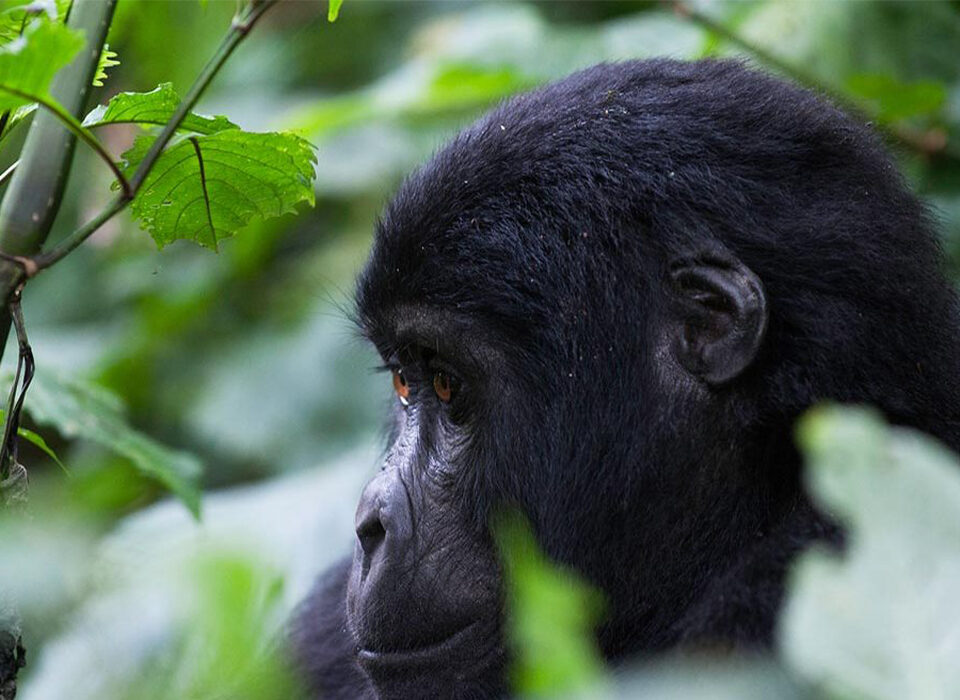
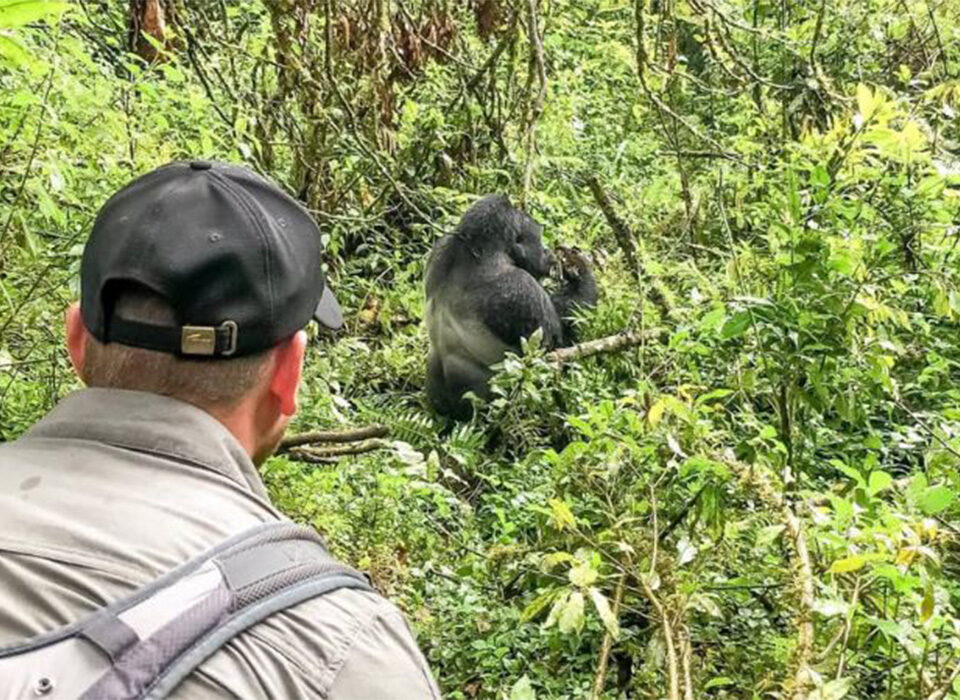
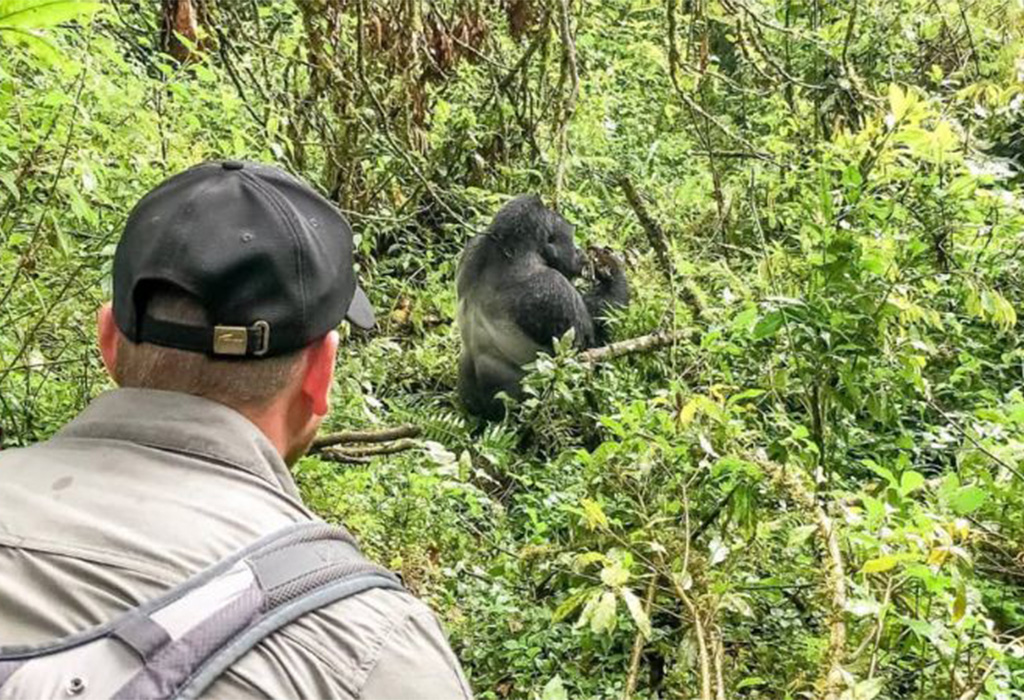
Many travelers ask whether they can combine classic wildlife safaris with gorilla trekking. The answer is a resounding yes. Starting your journey with game drives in Murchison Falls or Queen Elizabeth National Parks allows you to see elephants, buffalo, giraffes, and predators in their natural habitats. You can then move to the lush highlands of Bwindi Impenetrable or Mgahinga Gorilla National Parks for an intimate encounter with endangered mountain gorillas.
While park entry fees for game parks and gorilla permits are separate, combining both experiences in one trip maximizes your time and enhances your safari adventure. A well-planned itinerary can include game drives, boat cruises, gorilla trekking, bird watching, and cultural encounters all with transparent cost breakdowns, ensuring no surprises along the way.
Adding Cultural Experiences to Your Safari
A safari in Uganda is not just about wildlife. Cultural experiences can enrich your journey and give you deeper insight into local traditions. Visiting communities, witnessing traditional dances, learning local crafts, or participating in farming and cattle herding provides a meaningful connection to the people of Uganda.
Cultural visits typically do not require park entry fees, though some heritage sites may have small access charges. These costs are usually communicated clearly, ensuring travelers know exactly what is included. By combining cultural activities with wildlife and gorilla experiences, you create a balanced, immersive safari that celebrates both nature and culture.
Conclusion
Park entry fees are a crucial part of Uganda safaris, supporting conservation, wildlife protection, and local communities. While they are often separate from game drive costs, understanding and planning for these fees ensures a smooth and enjoyable experience. Combining game drives, gorilla trekking, birding, and cultural encounters creates an unforgettable safari that highlights the best of Uganda’s natural and cultural treasures. Clear communication and transparent pricing allow you to focus entirely on the adventure spotting wildlife, exploring breathtaking landscapes, and connecting with the people and wildlife that make Uganda so extraordinary.