
Why Is Gorilla Trekking in Uganda Cheaper During the Low Season?
March 27, 2026
Why Fly Into Kigali Instead of Entebbe for Gorilla Trekking?
March 27, 2026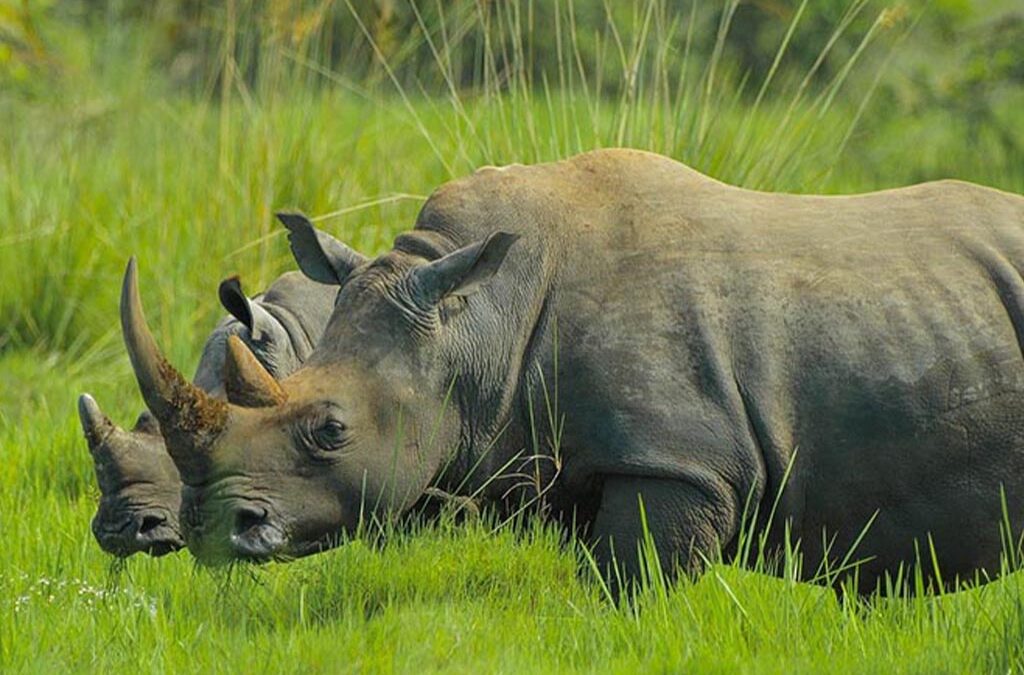
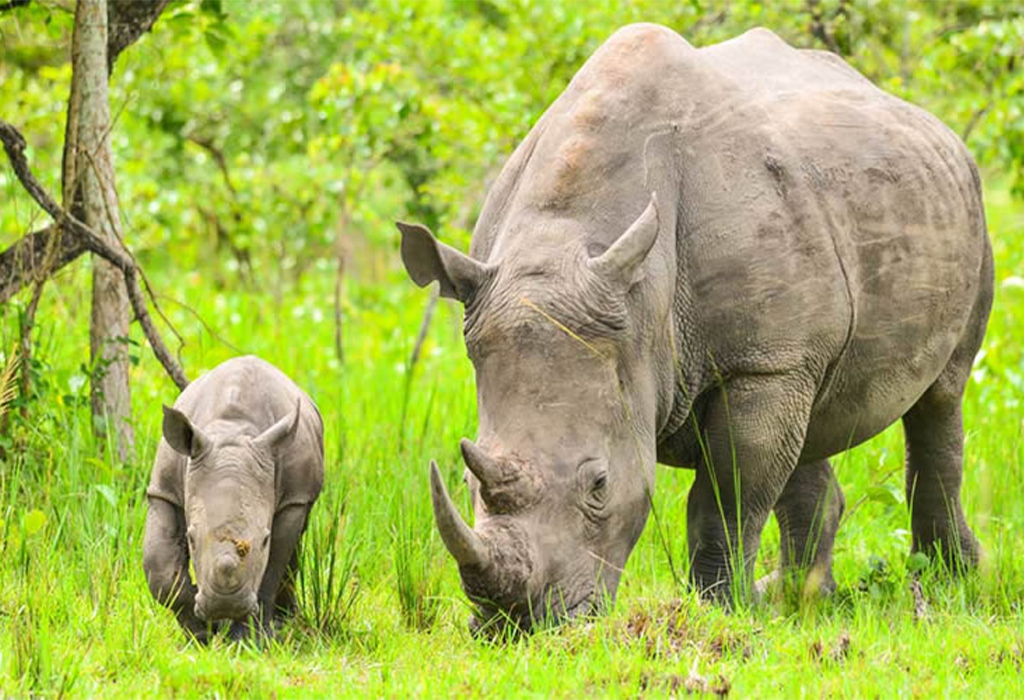
Rhinos are among the most fascinating creatures on Earth instantly recognizable by their powerful build and iconic horns. At first glance, they may seem intimidating, yet they are surprisingly gentle giants. However, despite their strength, rhinos remain highly vulnerable due to poaching and habitat loss. So, what truly makes these animals remarkable? Let’s explore twelve surprising facts that reveal the hidden world of rhinos.
Ancient Giants with a Remarkable Past
To begin with, rhinos are true survivors of time. They have roamed the Earth for over 50 million years, evolving through dramatic environmental changes. Interestingly, some of their ancient relatives were even larger than today’s elephants. Over time, evolution shaped them into the five distinct species we recognize today.
Five Unique Species Still Exist
Today, there are five species of rhinos. Africa is home to the Black and White rhinos, while Asia hosts the Indian, Javan, and Sumatran rhinos. Although they may look similar at first glance, each species has adapted uniquely to its environment. For instance, the Black rhino uses its pointed lip to browse shrubs, whereas the White rhino’s wide mouth is perfectly designed for grazing grass.
Gentle Giants with a Plant-Based Diet
Despite their massive size and fierce appearance, rhinos are strict herbivores. In fact, they spend most of their day feeding on grasses, leaves, fruits, and branches. As a result, their feeding habits play a crucial role in shaping their habitats.
Horns Made Like Human Hair
Surprisingly, rhino horns are not made of bone. Instead, they consist of keratin—the same protein found in human hair and nails. Moreover, these horns continuously grow over time, which means they can regenerate if damaged.
Weak Eyesight but Powerful Senses
Although rhinos have relatively poor eyesight, they compensate with exceptional hearing and a strong sense of smell. In addition, their ears can rotate independently, allowing them to detect sounds from multiple directions. This ability helps them stay alert in the wild.
A Unique Partnership with Oxpecker Birds
In many African landscapes, rhinos often share a special bond with oxpecker birds. These small birds feed on ticks and parasites found on the rhino’s skin. At the same time, they act as early warning systems by making noise when danger approaches. Consequently, this relationship benefits both species.
Surprisingly Fast and Agile
Even though rhinos appear heavy and slow, they are incredibly fast. In fact, they can reach speeds of up to 50 kilometers per hour. Furthermore, Black rhinos are especially agile and can make sharp turns when threatened, making them more formidable than they seem.
Key Players in Their Ecosystem
Rhinos are more than just impressive animals they are essential to their ecosystems. For example, grazing by White rhinos helps maintain short grasslands, which reduces wildfire risks and creates space for other herbivores. Therefore, their presence supports biodiversity.
Names That Have Nothing to Do with Color
Interestingly, the names “Black” and “White” rhinos are misleading. Both species are actually gray. The term “White” comes from the Afrikaans word “weit,” meaning “wide,” referring to the animal’s mouth. Over time, this word was misinterpreted as “white,” leading to the name we use today.
Complex and Surprising Communication
Although rhinos are generally solitary, they still communicate in various ways. They use sounds such as grunts, snorts, and growls. Additionally, they rely heavily on scent marking through dung and urine. In fact, many rhinos use specific spots as communal “latrines,” sending chemical signals to others in the area.
Tough Skin That Needs Protection
While rhino skin can be up to five centimeters thick, it is surprisingly sensitive. As a result, rhinos frequently wallow in mud. This behavior not only cools them down but also protects them from sunburn and insect bites. Essentially, mud acts as their natural sunscreen and insect repellent.
Critically Endangered but Not Without Hope
Unfortunately, all rhino species are either endangered or critically endangered. Poaching, driven by the illegal horn trade, remains the greatest threat. However, there is still hope. Thanks to ongoing conservation efforts, some populations especially the White rhino have shown signs of recovery.
How You Can Help Protect Rhinos
Protecting rhinos requires collective effort. By supporting conservation initiatives and choosing responsible safari experiences with Experiya Tour Company, you directly contribute to their survival. For example, visiting places like Ziwa Rhino Sanctuary in Uganda allows you to experience rhinos up close while supporting vital conservation work.
Conclusion: Why Rhinos Matter
In conclusion, rhinos are far more than their size and strength suggest. They are intelligent, resilient, and essential to the ecosystems they inhabit. Therefore, protecting them also means preserving the natural balance of some of the world’s most extraordinary landscapes. By valuing and safeguarding these magnificent animals, we ensure they continue to inspire future generations.